

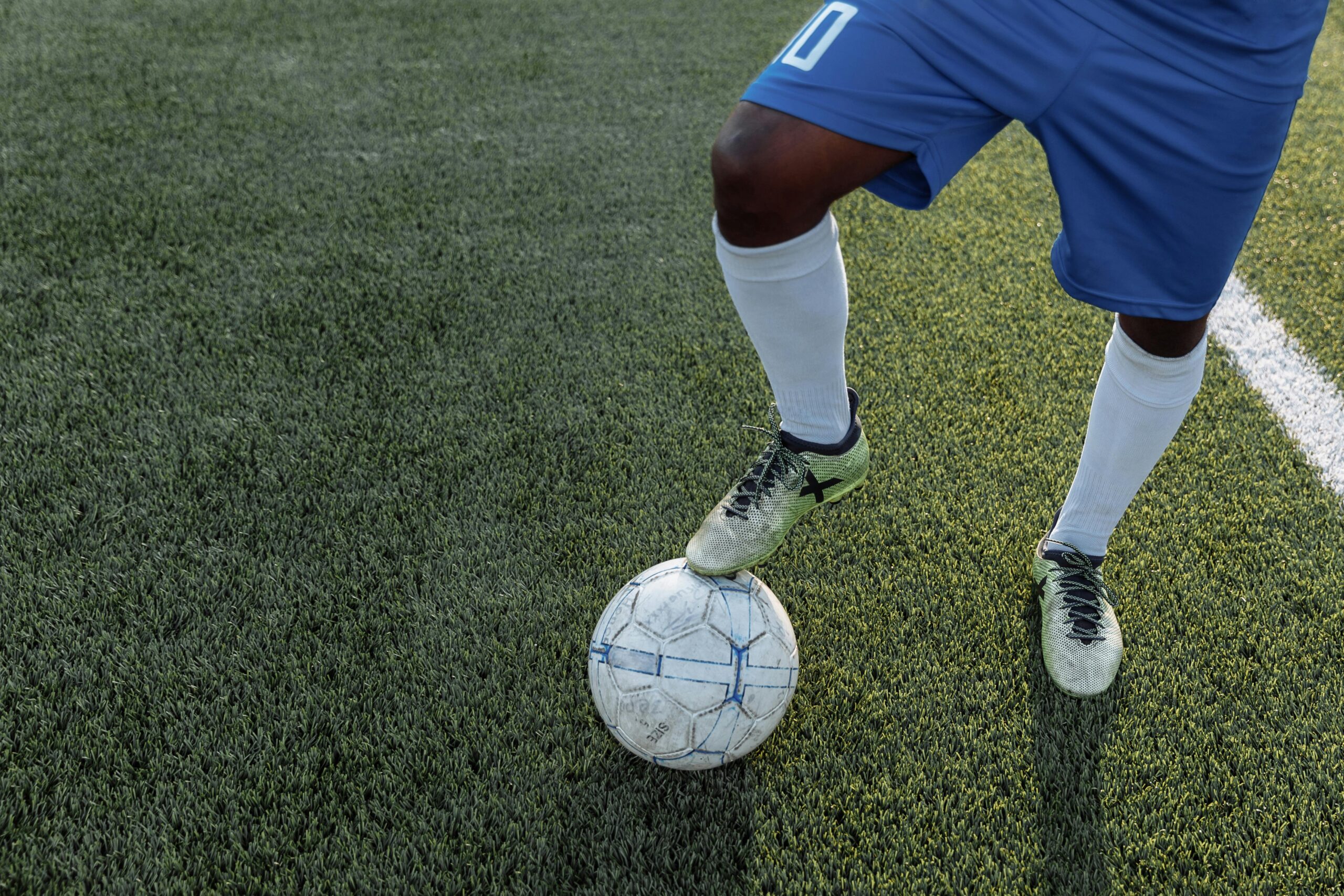
Understanding Football Basics
Football is played by two teams with 11 players each on a rectangular field with goals at both ends, and the aim is to score more goals than the opponent by getting the ball into their net without using hands or arms (except the goalkeeper in the penalty area). A standard match consists of two 45-minute halves plus stoppage time, overseen by a referee who enforces rules related to fouls, offside, and restarts like throw-ins, goal kicks, and corner kicks.
Table of Contents
- Understanding Football Basics
- Essential Equipment for Beginners
- Mastering Core Football Skills
- Football Positions and Responsibilities
- Beginner Practice Drills
- Advanced Drills for Progression
- Fitness and Conditioning
- Sample Weekly Training Schedule
- Nutrition for Peak Performance
- Injury Prevention Strategies
- Common Beginner Mistakes to Avoid
- Mental Preparation Techniques
- Playing Matches and Joining Teams
- Inspiring Success Stories
- Tips for Continued Improvement
- Frequently Asked Questions (FAQs)
Essential Equipment for Beginners
Basic equipment includes a round football (size 3–5 depending on age), studded or molded football boots for grip, shin guards, long socks, and comfortable jersey and shorts, with goalkeeper gloves as optional for keepers. Safety guidelines also recommend well-fitted gear, secure goals, and avoiding climbing on goal frames to reduce injuries.
Mastering Core Football Skills
Every beginner should develop passing (inside foot for accuracy, laces for long passes), dribbling (keeping the ball close and using both feet), shooting (laces for power, inside for placement), first touch control, and clean tackling technique. Consistent practice of weak-foot use and one-touch combinations rapidly improves overall game quality.
Football Positions and Responsibilities
Teams usually line up with a goalkeeper, defenders, midfielders, and forwards, where defenders protect the goal, midfielders connect defense and attack, and forwards focus on scoring and creating chances. Basic formations like 4-4-2 or 4-3-3 allocate players into back lines, central midfield, and attacking lines, helping beginners understand their zones and roles.
Beginner Practice Drills
- Cone dribbling: Place cones in a line and weave through them with small touches for control and agility.
- Figure-8 dribbling: Dribble around two cones in a figure-8 pattern to improve turning and balance.
- Wall passing: Pass against a wall and control rebounds to work on first touch and accuracy.
- Partner passing: Pass with a teammate at different distances to build timing and communication.
- Target shooting: Place cones in goal corners and aim shots there to build shooting precision.
- Juggling: Use feet and thighs to keep the ball in the air, improving touch and coordination.
Advanced Drills for Progression
Once basic control is stable, small-sided possession games (like 3v1 rondos), combination passing patterns, and 1v1 attacking/defending scenarios sharpen decision-making and speed of play. These drills replicate match intensity while giving many touches per player, which is ideal for beginners aiming to progress fast.
Fitness and Conditioning
Football demands aerobic endurance, speed, strength, and agility, so beginners benefit from interval sprints, ladder drills, lower-body strength exercises (squats, lunges), and core work. A balanced routine combining 2–3 technical sessions and 2–3 fitness sessions per week supports steady improvement without overtraining.
Sample Weekly Training Schedule
| Day | Focus |
|---|---|
| Sunday | Match or full-game practice + light stretching |
| Monday | Upper body & core gym + ball control and passing |
| Tuesday | Team session: tactics, small-sided games, sprint work |
| Wednesday | Active recovery: walking, mobility, easy juggling |
| Thursday | Team training: positional play and finishing |
| Friday | Light technical session + set-pieces, short gym |
| Saturday | Stamina run or intervals + stretching and foam rolling |
Nutrition for Peak Performance
For most players, carbohydrates should form a large part of daily intake to fuel training, supported by lean protein for muscle repair and healthy fats for joint and hormone health. Pre- and post-training meals rich in complex carbs and protein, along with steady hydration, help maintain energy and speed recovery.
Injury Prevention Strategies
Dynamic warm-ups, structured strength and flexibility work, properly fitted protective gear, and safe playing surfaces significantly reduce the risk of sprains, strains, and overuse injuries. For younger players, it is important to use gradual conditioning, rest periods, and to avoid playing through pain or fatigue.
Common Beginner Mistakes to Avoid
- Watching the ball constantly instead of scanning the field.
- Over-dribbling instead of passing under pressure.
- Shooting with the toe instead of the laces or inside of the foot.
- Ignoring defensive duties and failing to track opponents.
- Skipping warm-ups, stretching, or cool-downs.
Mental Preparation Techniques
Use simple mental tools like visualizing successful plays, doing short breathing exercises before games, and setting clear performance goals to handle nerves and stay focused. Reflecting after each session on what went well and what needs work builds confidence and a growth mindset.
Playing Matches and Joining Teams
Beginners can start with informal games, school or college teams, local academies, or community leagues. Small-sided formats like 3v3, 5v5, or futsal give more touches for each player, speeding up skill development and tactical awareness.
Inspiring Success Stories
Talent identification programs and open trials have helped many young players move from local football into professional environments. Stories of players from modest backgrounds show how perseverance and opportunity can transform lives through the game.
Tips for Continued Improvement
Train consistently, watch and analyse professional matches, learn basic tactics and formations, and listen to coach feedback. Enjoy the game and stay patient with mistakes so motivation remains high during the learning curve.
Frequently Asked Questions (FAQs)
1. Is football a safe sport for beginners?
Football is generally safe when the right equipment, warm-ups, and rules are followed, but it is still a contact sport, so some risk of injury is always present.
2. At what age can children start learning football?
Many programs accept children from about 5–6 years, focusing on fun games, coordination, and basic ball skills rather than intense fitness or tactics.
3. How often should a beginner train each week?
Three to five sessions per week that mix technical drills, small-sided games, and light fitness work are usually enough, with at least one full rest or recovery day.
4. What is the minimum equipment I need to start?
You mainly need a football, sports clothing, shin guards, long socks, and suitable shoes with good grip; goalkeeper gloves and extra gear are optional.
5. How can a beginner quickly improve ball control?
Do daily ball work: juggling, wall passing, cone dribbling, and first-touch drills, combined with small-sided games for realistic practice.