

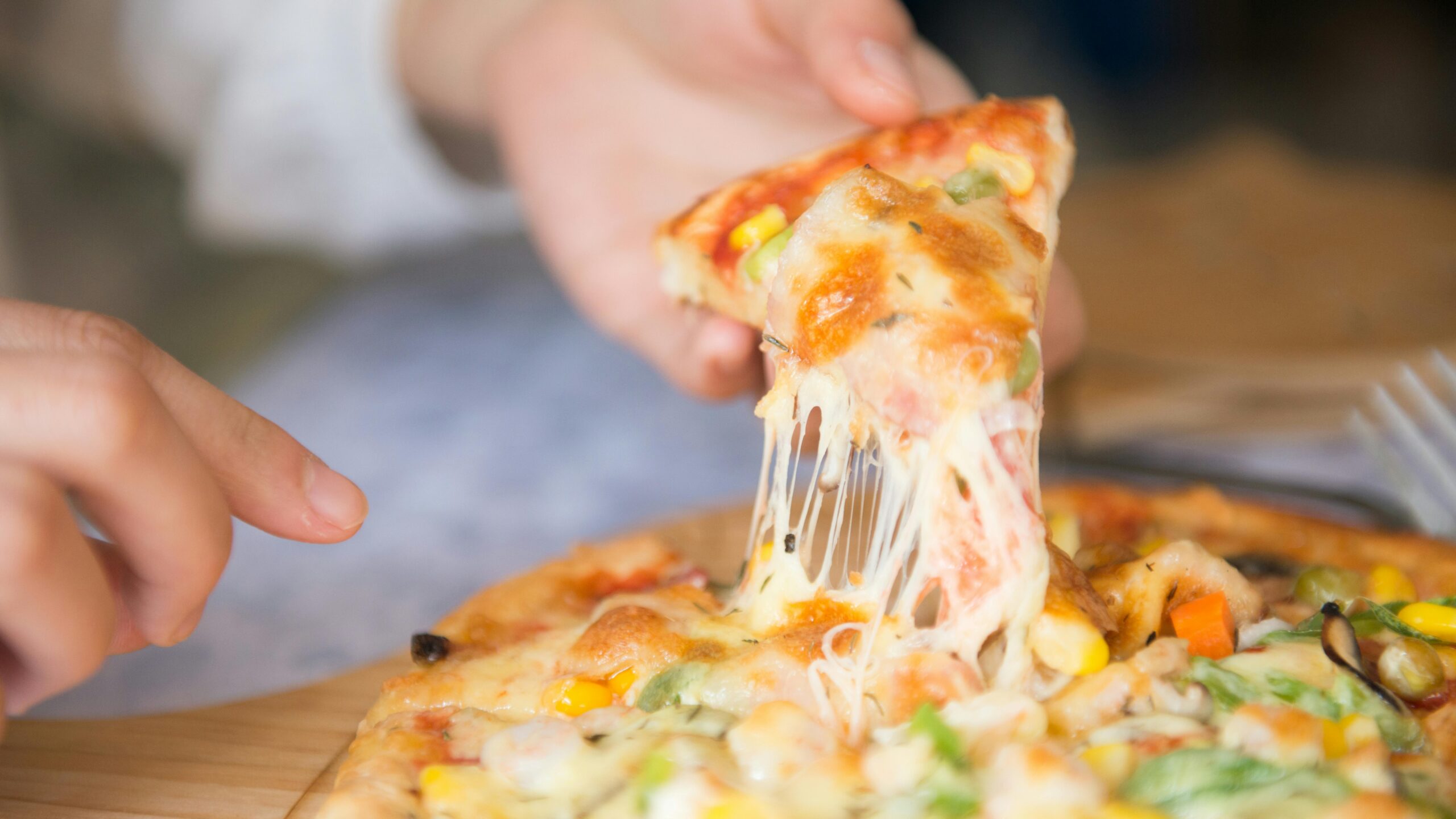
How to Make Delicious Homemade Pizza from Scratch
Making pizza at home is a rewarding culinary experience that allows full control over ingredients, flavors, and quality. With a few essential techniques and fresh components, anyone can create a restaurant-quality pizza with a crisp, chewy crust, rich homemade sauce, and perfectly melted cheese. This guide walks through every step—from preparing the dough and sauce to assembling, baking, and customizing toppings—ensuring consistent, delicious results every time. Whether using an oven or stovetop, this method guarantees a flavorful, customizable pizza that surpasses store-bought or delivery options.
Ingredients for Dough
The foundation of a great pizza lies in its dough, which should be soft, elastic, and flavorful. For a classic homemade pizza dough, gather the following ingredients: 2½ cups (300 grams) of unbleached all-purpose flour or a mix of all-purpose and whole wheat flour, 1 teaspoon of instant or active dry yeast (or ⅓ teaspoon for a slow-rise method), ½ cup plus 2 tablespoons of lukewarm water (40–43°C or 105–110°F), 1½ tablespoons of olive oil, ⅓ teaspoon of salt, and 1 teaspoon of organic sugar or maple syrup to activate the yeast. Optionally, sprinkle cornmeal or semolina on the baking tray for a crispier, rustic crust. Using high-quality, unbleached flour enhances both flavor and texture, while olive oil adds richness and helps prevent sticking.
Dough Preparation
Begin by activating the yeast: pour lukewarm water into a large mixing bowl, add yeast and sugar, stir gently, and let it sit undisturbed for 10–15 minutes. The mixture should become frothy, indicating active yeast; if not, discard and restart with fresh ingredients. Once activated, add flour, salt, and olive oil, mixing until a soft dough forms. Gradually incorporate more water if needed to achieve a non-sticky consistency. Knead the dough on a floured surface for 5–6 minutes until smooth and elastic. To test readiness, poke the dough—it should dent and slowly bounce back. Place the dough in an oiled bowl, cover with a damp cloth, and let it rise at room temperature (26–32°C or 80–90°F) until doubled in size, which takes 1–4 hours depending on temperature. For enhanced flavor, use less yeast and allow a slow rise of 8 hours or overnight. The dough can be refrigerated for up to 3 days; bring to room temperature before use.
Sauce Preparation
A homemade pizza sauce elevates the dish with fresh, aromatic flavors unmatched by store-bought versions. Start by pureeing 400–500 grams of ripe tomatoes in a blender. Heat 1½ tablespoons of olive oil in a pan and sauté 2 finely chopped garlic cloves until fragrant. Add red chili flakes, then pour in the tomato puree. Season with ¼ teaspoon salt, 1 teaspoon sugar, 1 teaspoon Italian herbs (or dried oregano), and ½ teaspoon crushed black pepper. Simmer uncovered for 20–25 minutes, stirring occasionally, until thickened to a spreadable consistency. Avoid a runny sauce, as excess moisture can make the crust soggy. Let the sauce cool completely before use. This recipe yields extra sauce that can be stored in an airtight container for up to 15 days in the refrigerator or 3 months in the freezer, ready for future pizzas.
Topping Ideas
Customizing toppings allows for endless creativity while maintaining balance and texture. Classic combinations include Margherita (fresh mozzarella, basil, and tomatoes), pepperoni with mushrooms, or a veggie medley of bell peppers, onions, olives, and corn. For gourmet options, try prosciutto with arugula and parmesan, zucchini flowers with fior di latte cheese, or potato with Italian sausage and rosemary. When using vegetables like mushrooms, spinach, or broccoli, sauté them first to remove excess moisture and prevent a soggy crust. Limit watery toppings and distribute ingredients evenly to ensure even cooking. Cheese choices matter—mozzarella provides meltability, while parmesan adds sharpness. For vegan versions, use plant-based cheese. Remember, less is more: overloading the pizza can hinder crispness and flavor development.
Assembling the Pizza
Once the dough has risen, punch it down to release air bubbles and divide it into 2–3 portions, depending on desired pizza size. On a lightly floured surface, shape each portion into a ball, then roll or hand-stretch it into a 9–14 inch circle, keeping the edges slightly thicker to form a crust. Avoid using a rolling pin excessively, as it can deflate air pockets and densify the crust. Transfer the base to a cornmeal-dusted tray or parchment paper. Lightly brush the surface with olive oil, then spread a thin layer of sauce, leaving a ¼-inch border. Sprinkle a layer of shredded mozzarella, add toppings, and finish with more cheese to seal in flavors. For a finishing touch, add fresh herbs like basil or a drizzle of olive oil after baking. Proper assembly ensures even cooking and a balanced bite.
Baking Tips
Preheat the oven to its highest setting—220–240°C (470°F)—for at least 25–30 minutes, placing a baking tray, cast iron pan, or pizza stone inside to heat. A hot surface is crucial for achieving a crisp, golden crust. Carefully transfer the assembled pizza onto the preheated surface. Bake for 10–12 minutes for thin crust or 8–10 minutes for thick crust, until the base is crisp and the cheese is golden. If the cheese isn’t browning, move the pizza to the top rack for an additional 1–2 minutes. For even baking, use both top and bottom heating elements. A pizza stone delivers the best results, mimicking a wood-fired oven, but a metal pan works well too. Avoid glass or ceramic pans, as they conduct heat poorly and yield a softer crust. Always preheat the baking surface for optimal crispness.
Storage & Reheating
Leftover pizza dough can be refrigerated for up to 3 days or frozen for up to 3 months. Wrap tightly in plastic or store in an airtight container. Thaw frozen dough in the refrigerator overnight before use. Leftover sauce keeps for 4–5 days in the fridge or 3 months in the freezer. Baked pizza is best consumed fresh but can be stored in a sealed container for up to 2 days. To reheat, place slices in a preheated oven at 190°C (375°F) for 5–7 minutes until warm and crisp. Avoid microwaving, as it softens the crust. For frozen pizza, bake directly from frozen, adding a few extra minutes. Proper storage preserves texture and flavor for future enjoyment.
Stovetop Alternative
For those without an oven, pizza can be made on a stovetop using a heavy skillet or tawa. Use a less yeasty dough (⅓ teaspoon yeast) and allow a slow rise for better flavor. Heat a thick-bottomed pan on low flame, add oil, and place the rolled dough. Cook briefly until lightly browned, then flip. Quickly spread sauce, add toppings, and sprinkle cheese. Cover with a lid and cook on low heat until the base is crisp and the cheese melts. This method requires attention to prevent burning but yields a delicious, crusty result. It’s ideal for quick meals and widely practiced in households without ovens.
Conclusion
Homemade pizza is a versatile, satisfying dish that brings restaurant-quality results into the kitchen. By mastering the dough, sauce, and baking techniques, anyone can create a personalized, flavorful pizza. Using fresh ingredients, proper fermentation, and high heat ensures a crisp, chewy crust and rich taste. Whether baked in an oven or cooked on a stovetop, the process is simple and rewarding. With practice and creativity, homemade pizza becomes a go-to meal that’s healthier, tastier, and more economical than delivery. Start with this guide and experiment with flavors to make it your own






I love that you mentioned using olive oil in the dough! It really makes the crust taste so much richer. I’m definitely going to try this recipe next time, but I’m curious – have you tried any variations of toppings that pair really well with this dough?
This is such a thorough breakdown! It’s amazing how a simple pizza dough recipe can result in something so customizable. Have you ever tried adding a bit of garlic or herbs into the dough for extra flavor?
Great breakdown of pizza-making! The tip on sprinkling cornmeal on the tray for a crispy crust is genius—I’ll definitely try that. It’s all in the details, isn’t it?
Great tips on using quality flour and olive oil! One thing I’ve found is that resting the dough for longer really enhances the flavor—have you tried letting it rise overnight in the fridge?