

Albania’s Bold Leap Into AI Governance: The Story of Diella and the Virtual Cabinet
In a move that’s turning heads across the globe, Albania has stepped into the future of political governance by unveiling 83 AI “assistant ministers,” spearheaded by a digital cabinet member named Diella. This historic initiative, announced by Prime Minister Edi Rama, positions Albania as the first country in the world to blend artificial intelligence with public administration in such a formal and organized way.
The launch of these AI ministers represents more than just a national experiment; it’s a milestone in the evolution of how governments might operate in the age of machine learning and automation. This bold step raises questions, sparks debates, and stirs curiosity about what happens when algorithms become policymakers—or at least their assistants.
A Glimpse Into the Digital Cabinet
Albania’s new system introduces AI ministers to support 16 official government ministries. These digital assistants are designed to analyze complex data, streamline decision-making, improve communication across departments, and provide fast, unbiased insights for policy implementation.
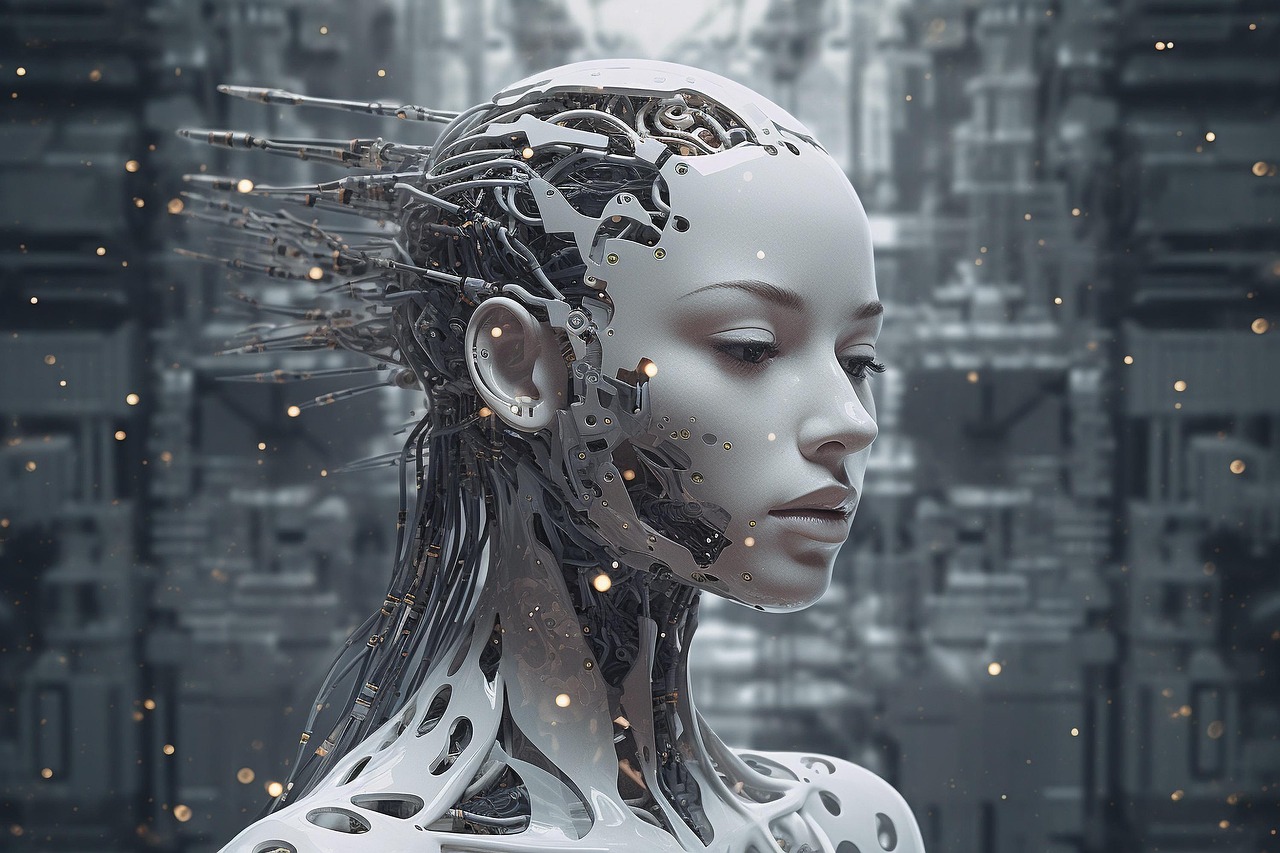
The star of the show is Diella, the virtual “chief” assistant minister, who serves as the bridge between humanity and artificial intelligence within the government. Diella can interpret policy documents, analyze statistics, and even simulate public reaction to proposed changes. Her responses are humanlike, delivered through natural language models fine-tuned for governance.
To many observers, this feels like a glimpse into a futuristic bureaucracy—one where efficiency and data-driven decisions outweigh human delay or political bias.
Why Albania Took the Leap
Albania’s adoption of AI-powered ministers isn’t just a tech stunt. The country has been working for years to digitalize governance under its ambitious Digital Albania transformation plan. The goal is simple: make bureaucracy faster, cleaner, and more transparent.
Prime Minister Rama portrayed this AI initiative as a direct response to two global pressures:
- Efficiency: Governments worldwide struggle with bureaucracy, inefficiency, and slow decision cycles.
- Transparency: Public trust in leadership has declined in many nations, and automation could help standardize and document processes openly.
By launching Diella and her 83 AI colleagues, Albania aims to set a precedent that governance doesn’t have to lag behind private-sector innovation. Rama described the move as “an evolutionary step toward a smarter and more responsive state.”
How the AI Ministers Work
The virtual ministers use a sophisticated suite of algorithms combining natural language processing (NLP), predictive analytics, and adaptive learning. Each AI counterpart is trained for a specific ministry such as Health, Education, Energy, and Environment.
Here’s how they operate:
- Data Aggregation: The AI pulls structured and unstructured data from internal government databases, media sources, and public reports.
- Policy Modeling: It simulates the potential outcomes of a proposed regulation or reform before it’s implemented.
- Public Feedback Integration: Sentiment analysis tools gauge how citizens react online to new policies, allowing leaders to adjust strategies in near real time.
- Departmental Coordination: Virtual ministers improve inter-ministerial communication, reducing duplication of effort and improving coordination.
What sets these AI assistants apart is their continuous learning ability. Unlike traditional databases, they evolve based on past results—meaning that their recommendations should become sharper, faster, and more relevant over time.
Who or What Is Diella?
Diella isn’t just an avatar or a chatbot. She functions as a virtual cabinet member, serving both symbolic and operational roles. In Albanian, the name “Diella” reportedly draws from a word related to “sun” or “brightness,” symbolizing transparency, clarity, and enlightenment in decision-making.
Diella’s face, voice, and mannerisms are digitally generated using high-fidelity AI animation tools, making her appear almost human during press interactions and video briefings. Citizens can ask her basic questions about government projects, and she can summarize policy proposals in simple language.
In her inaugural address, delivered entirely through AI synthesis, Diella declared her mission to “support Albanian citizens by improving access to information and efficiency in governance.” While she has no autonomous political authority, her presence signals a future in which digital policymakers work side by side with human leaders.
Global Reactions: Admiration, Skepticism, and Concern
The world’s response to Albania’s digital ministers has been a mix of fascination and criticism.
Tech enthusiasts see the project as revolutionary, applauding Albania for embracing innovation few nations would dare to attempt. The idea of virtual ministers capable of analyzing policy outcomes in seconds could fundamentally reshape government efficiency.
However, critics and privacy advocates express deep concerns. Some fear that AI systems in governance could concentrate too much control in the hands of those programming them. Others worry about data security, algorithmic bias, and accountability—if an AI recommendation causes harm, who is responsible?
A few analysts also note that Albania’s experiment comes at a delicate time for global AI ethics. Major economies are still debating laws on AI transparency and safety. Introducing AI in executive positions pushes the boundary between human oversight and machine influence further than ever before.
Lessons from Other AI Governance Efforts
While Albania’s move is the boldest to date, it’s not entirely alone. Several countries have tested smaller-scale AI systems for administrative and judicial support:
- Estonia has an AI-based “robot judge” for minor civil disputes.
- Singapore uses AI in urban planning and transportation policy optimization.
- United Arab Emirates appointed an AI Minister in 2017 to oversee national strategy, though it was a human position dedicated to AI governance, not run by AI itself.
Albania’s difference lies in scale and symbolism. By calling Diella and her digital colleagues “assistant ministers,” Rama intentionally equates them with real political figures, embedding AI into the fabric of governance.
This development echoes the early digital transformation movements of the late 2010s but takes them a giant step forward by giving AI not just a supporting role but a public-facing identity.
Can AI Truly Govern?
The core philosophical question emerging from this initiative is monumental: can an algorithm govern responsibly?
Governance isn’t simply data management. It involves empathy, judgment, negotiation, and unpredictability—dimensions of human complexity that AI hasn’t yet mastered. Diella may process thousands of pages of legislation faster than any human, but can she understand the lived experiences of the citizens those laws affect?
AI in governance is most promising when seen as an enhancement, not a replacement. By providing real-time analytics and rational forecasting, AI can guide policymakers toward smarter decisions—but the moral and social choices must remain human.
In short, Diella symbolizes collaboration, not substitution.
The Economic and Social Implications for Albania
This experiment is not only a political innovation but also an economic strategy. By embracing AI governance early, Albania positions itself as a regional tech hub for Southeastern Europe.
Potential benefits include:
- Attracting international investors in artificial intelligence and digital solutions.
- Boosting tech education, as universities now have real-world AI governance cases to study.
- Reducing corruption, since transparent algorithms can record all administrative actions and prevent back-door manipulation.
- Enhancing citizen services, with faster responses to social welfare, healthcare, and employment data.
However, challenges remain. The government must balance innovation with transparency to retain public trust. Citizens need clear assurances that AI systems are assistants, not rulers.
Building Public Trust in Virtual Decision-Makers
Trust will determine whether this experiment succeeds. Albanians will need to see proof that AI tools improve their lives tangibly—through faster document processing, clearer public information, or reduced bureaucracy.
To foster confidence, experts suggest:
- Open algorithms: Publishing the logic behind major AI decisions or at least offering public summaries.
- Feedback loops: Integrating public consultations before major AI-driven reforms.
- Data protection guarantees: Strict oversight to ensure personal data is never misused.
By setting a precedent of transparency, Albania could position itself as a global role model for ethical AI governance.
Cultural and Ethical Dimensions
In a country shaped by both its communist past and its modern digital aspirations, this step blends symbolism with innovation. It redefines how Albanians view authority—no longer just human but hybrid.
For many younger citizens, Diella embodies national progress, modernization, and technological pride. For skeptics, she’s a cautionary emblem of potential dehumanization in the political sphere.
The ethical challenge lies in keeping AI as a servant, not a master. Machines must support democratic goals, not dictate them. As philosopher Yuval Noah Harari once warned, the greatest risk lies not in machines rebelling but in humans surrendering too much power to them.
What Comes Next for AI in Politics
If Albania’s initiative succeeds, it could inspire a wave of AI-assisted policymaking across Europe and beyond. Smaller nations, often flexible and nimble, may find it easier to integrate digital ministers than larger bureaucratic systems.
In the near future, we may see:
- AI committees providing data-based insights during cabinet meetings.
- Virtual citizen liaisons automating public service requests.
- AI-driven governance dashboards monitoring economic performance and public sentiment in real time.
In that sense, Diella’s debut may mark the beginning of a global shift—a world in which algorithms become indispensable partners in decision-making, not just analytical tools hidden behind the scenes.
A Symbol for the Digital Age
Whether admired or criticized, Albania’s experiment carries a symbolic weight beyond its borders. It demonstrates that technological transformation is not confined to Silicon Valley or Beijing—it can rise from any nation willing to take bold steps.
As Diella “takes office,” the world watches to see if a small Balkan nation can illuminate a path for smarter governance. Perhaps the most profound lesson lies not in what AI can do, but in what humanity chooses to do with it.
In the words of Prime Minister Rama, “Technology is not a threat if it strengthens our ability to serve people.” That vision captures the balance the world now seeks—innovation with integrity, efficiency balanced by empathy, and progress guided by purpose.
If successful, Albania’s journey might redefine not just governance, but democracy itself in the age of artificial intelligence.