
Anxiety is a common part of life — we all feel nervous or worried at times. But when anxiety becomes overwhelming, constant, or starts interfering with your daily routine, it’s important to find healthy ways to manage it. While medications can help in certain cases, many people prefer to manage anxiety naturally through lifestyle changes, mindfulness, and self-care strategies.
The good news is that it’s absolutely possible. With the right habits, mindset, and consistency, you can reduce anxiety and live a calmer, more balanced life without medication.
The first step to managing anxiety is understanding what triggers it. Anxiety is your body’s natural “fight or flight” response to stress. While helpful in real danger, it can be harmful when triggered by everyday worries or negative thoughts.
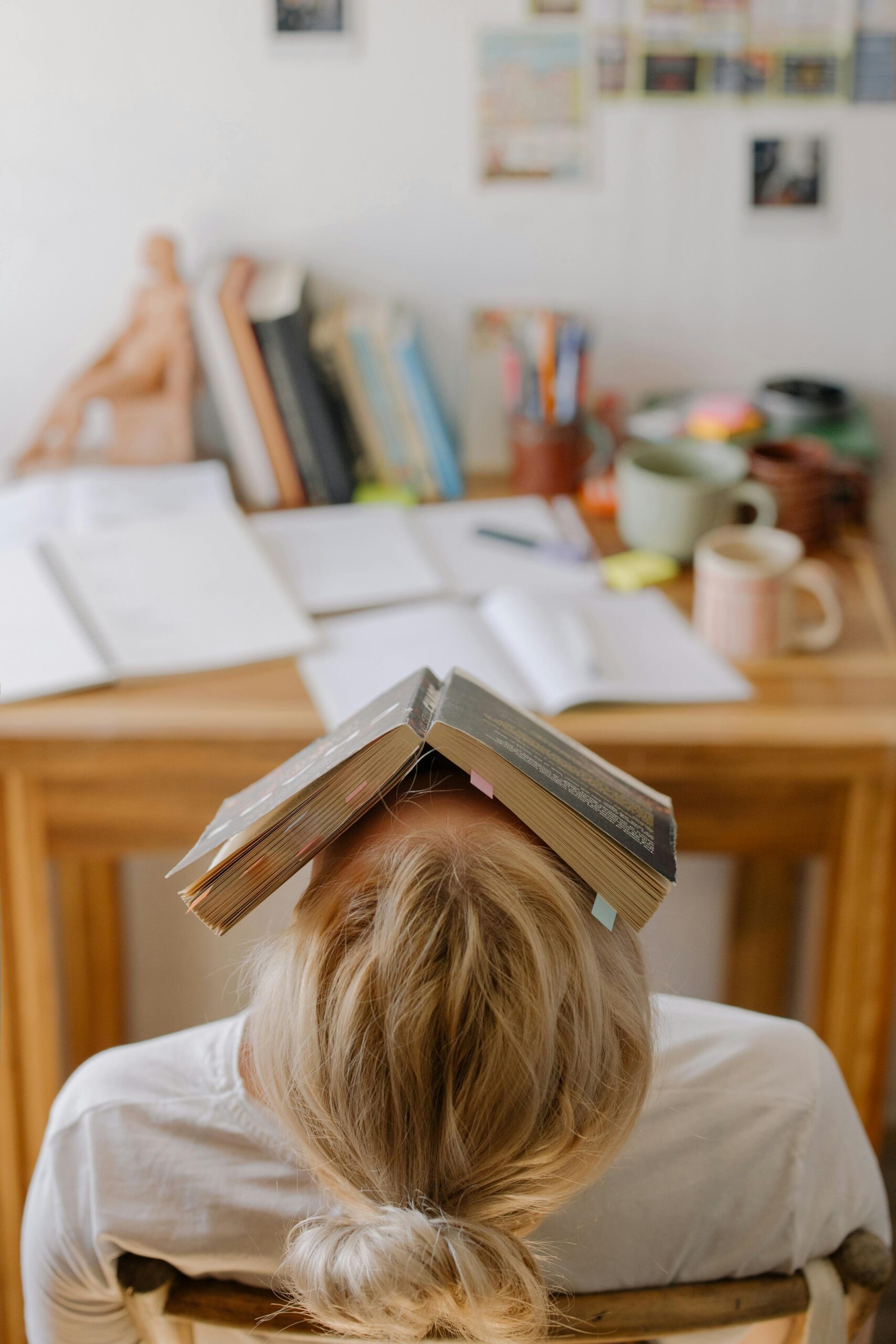
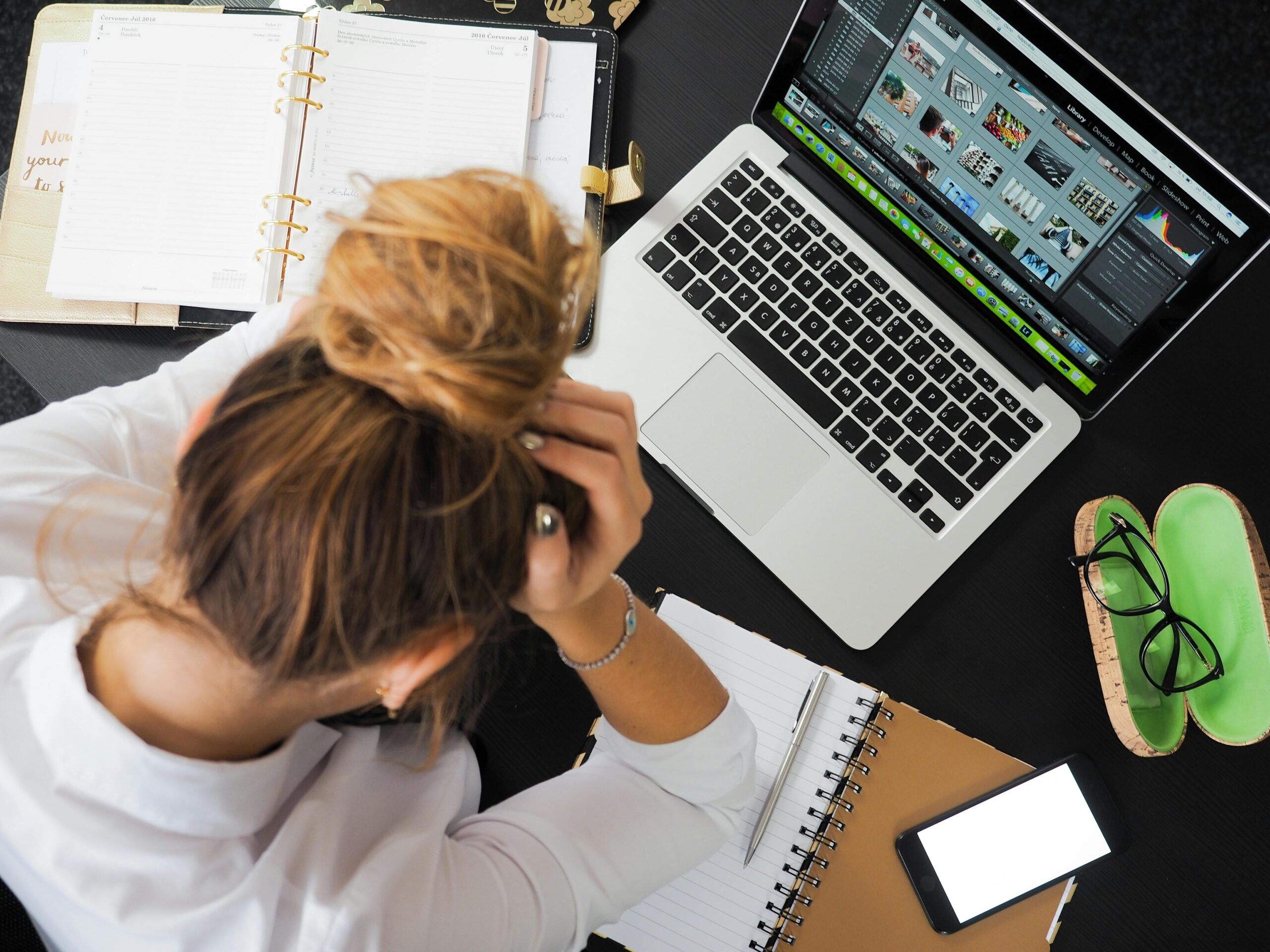
Common triggers include excessive work or academic stress, poor sleep, relationship conflicts, financial worries, too much caffeine, or social pressure. Start tracking your triggers. When you notice anxiety building, write down what you were doing or thinking. This helps you identify patterns and respond more effectively next time.
Breathing deeply is one of the fastest and most effective ways to calm anxiety. Shallow breathing sends a signal to your brain that you’re in danger, increasing tension. Deep breathing reverses this. Try the 4-7-8 technique: inhale slowly through your nose for 4 seconds, hold for 7 seconds, and exhale gently for 8 seconds. Repeat this 4–5 times to lower heart rate and reduce stress hormones.
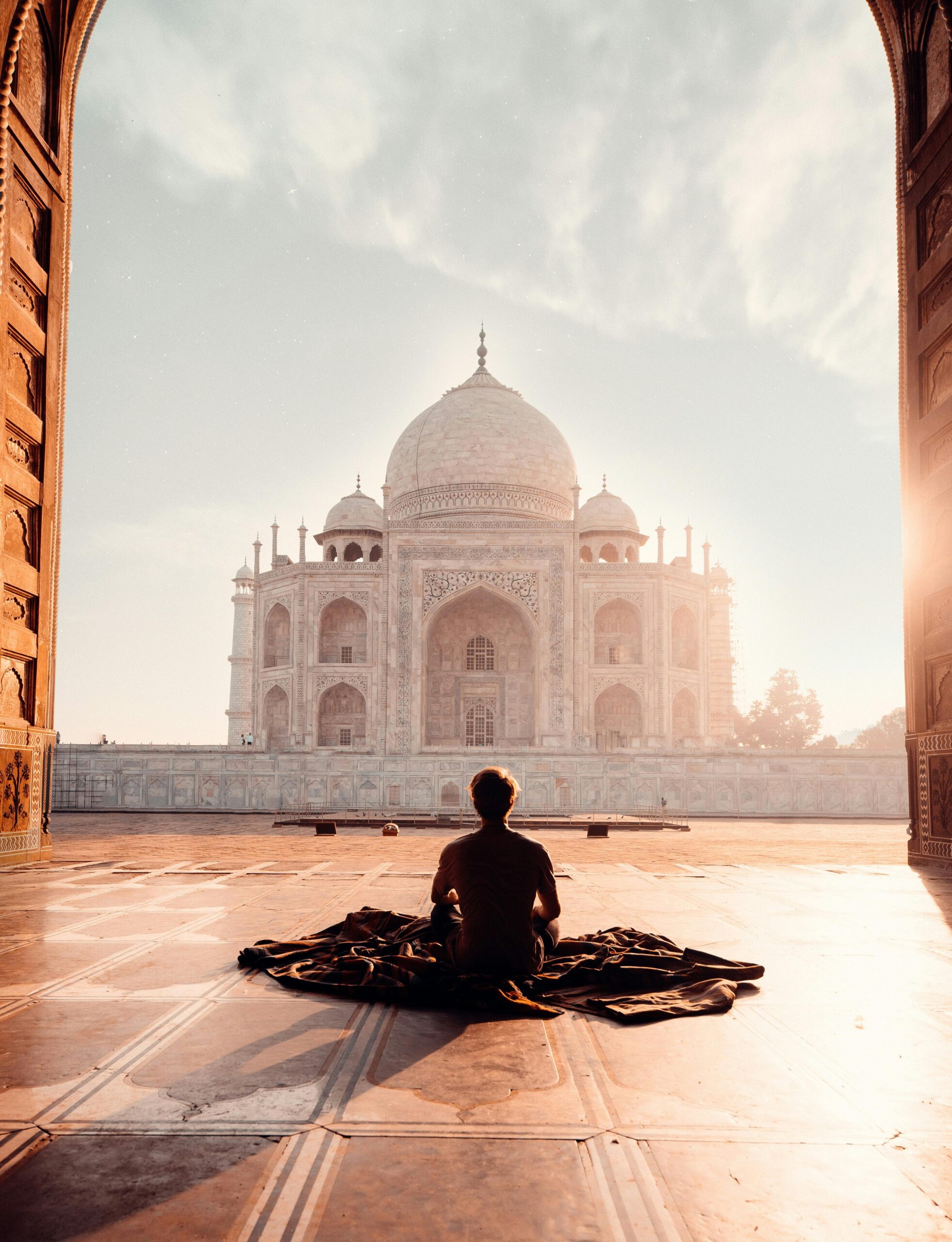
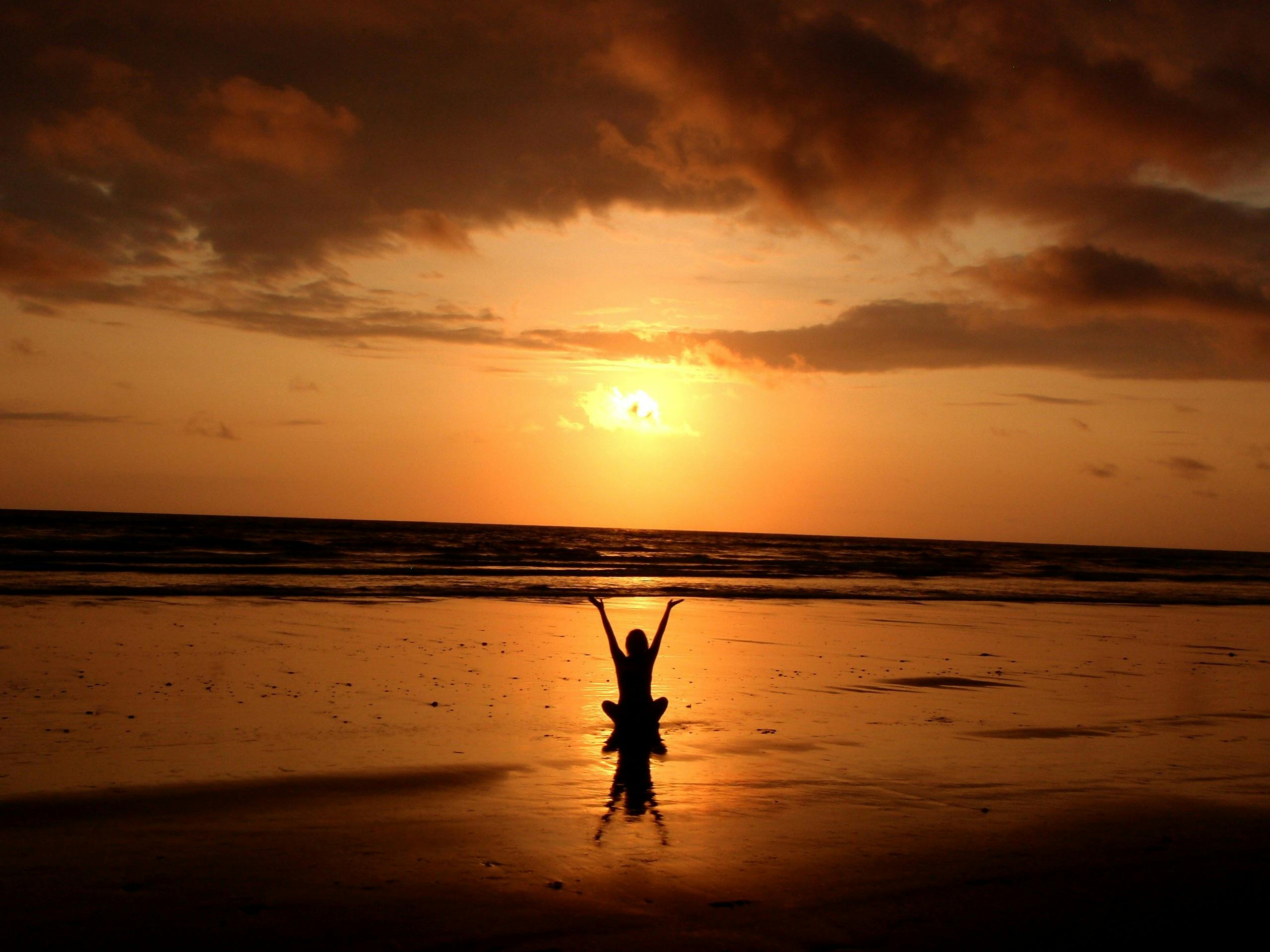
Mindfulness means staying in the present moment without judgment. It’s one of the most powerful tools to manage anxiety naturally. Meditation trains your brain to focus, calm racing thoughts, and reduce emotional reactivity. Start your morning with a few minutes of quiet meditation or simply pay attention to daily activities like eating or walking. Observe your thoughts like passing clouds — don’t fight them, just notice.
Exercise is not only good for physical health but is also a proven natural anxiety reliever. Physical activity boosts endorphins and reduces stress hormones. Activities like walking, yoga, dancing, swimming, or cycling can significantly reduce anxiety levels. Aim for at least 30 minutes of exercise five times a week. Even a short walk during stressful moments helps.
Good sleep is crucial for managing anxiety. Poor sleep can worsen mood, focus, and decision-making. Maintain a regular sleep schedule, avoid caffeine before bed, and create a relaxing bedtime routine. Keep your room cool, dark, and quiet. Aim for seven to eight hours of quality sleep each night.
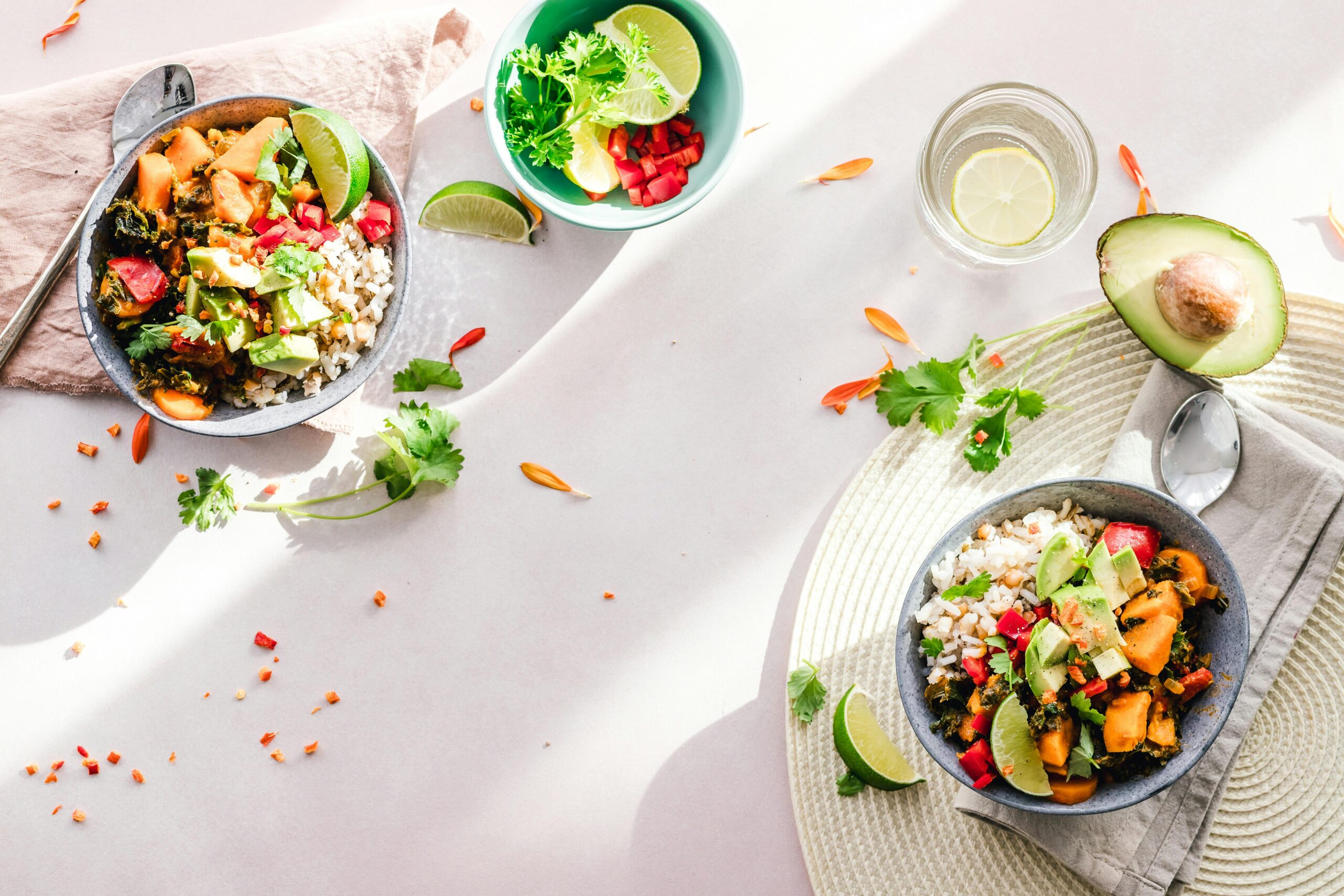
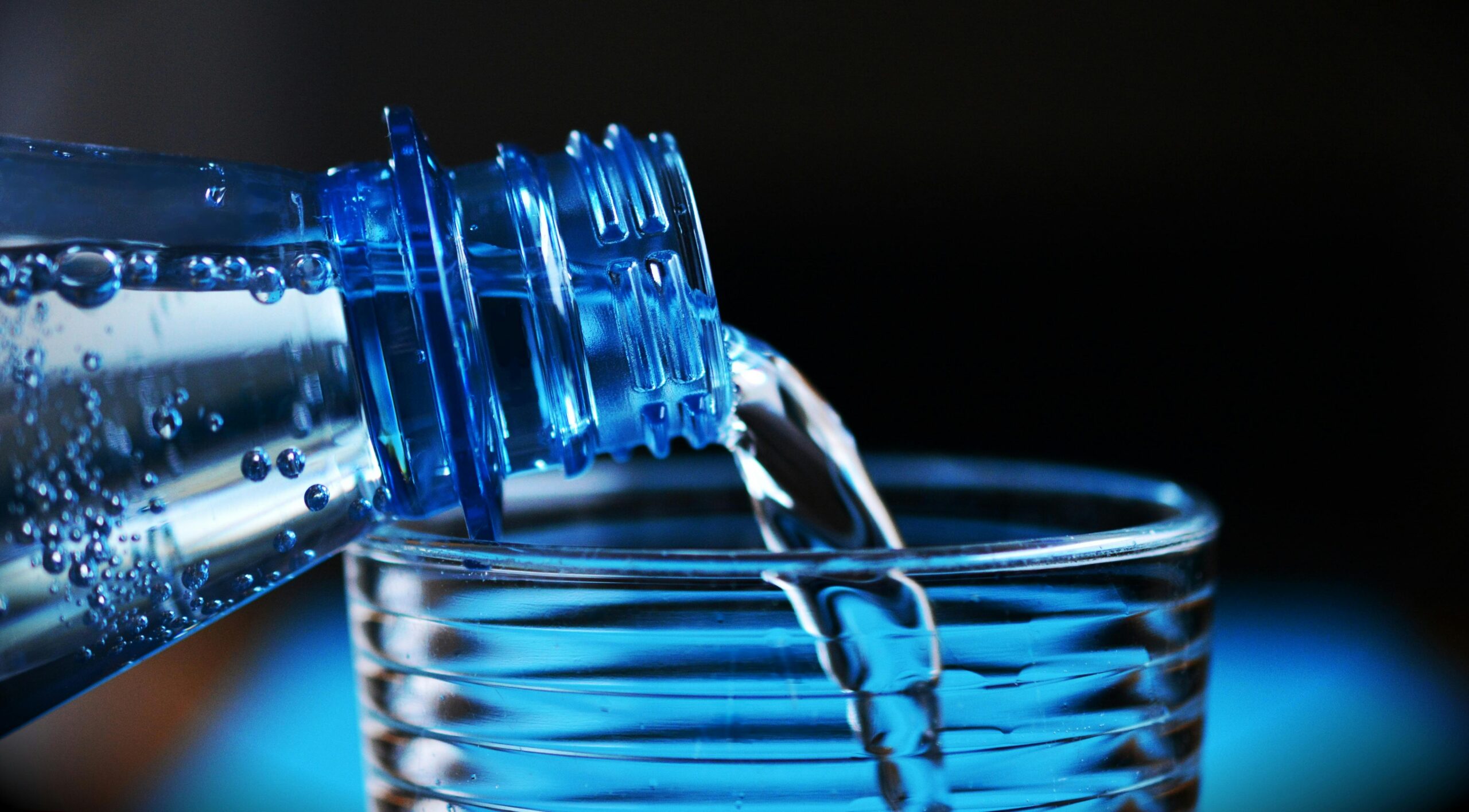
Diet plays a key role in mental health. Certain foods help calm the nervous system while others trigger anxiety. Eat more leafy greens, fatty fish, whole grains, nuts, and herbal teas. Limit caffeine, sugar, and alcohol. Stay hydrated throughout the day to avoid fatigue and irritability.
Your thoughts shape your emotions. Anxiety often feeds on negative self-talk like “I can’t handle this.” Learn to replace those with positive statements such as “I can manage this.” Practice affirmations daily like “I am calm and capable.” Positive self-talk gradually trains your mind to stay relaxed.
Constant exposure to screens, news, and notifications overstimulates your brain. Too much digital information increases anxiety. Set screen-free times during your day, especially before bed. Turn off unnecessary notifications and spend that time connecting with nature or doing a hobby.
Human connection is one of the best natural remedies for anxiety. Talking about your worries with friends or family helps you feel supported. Social interaction releases oxytocin, which lowers stress. Schedule regular meet-ups or join community groups where you can talk and connect.
Having a consistent daily routine reduces uncertainty, which is a major cause of anxiety. Wake up and sleep at the same time, include time for self-care, and break tasks into smaller steps. When your day has structure, your mind feels more secure and calm.
Journaling and practicing gratitude are great tools for emotional release. Writing your thoughts helps you process them, while gratitude shifts focus from fear to appreciation. Each night, write three things you’re thankful for and one thing that went well. It improves your mindset and builds emotional strength.
Relaxation techniques are essential. Try progressive muscle relaxation, aromatherapy with lavender, soothing music, or warm baths. These practices relax your body, signaling to your brain that you’re safe and calm.
Perfectionism and overthinking are major anxiety triggers. Remember that it’s okay to make mistakes. Focus on progress, not perfection. Tell yourself “done is better than perfect” and learn to let go of things beyond your control. Accepting uncertainty brings peace.
Sometimes, anxiety can feel too heavy to handle alone. If lifestyle changes aren’t helping, consider speaking with a therapist. Professional therapies like Cognitive Behavioral Therapy (CBT) can teach you to manage anxious thoughts effectively without medication. Seeking help is a sign of strength, not weakness.
Frequently Asked Questions (FAQ)
Can anxiety really be managed without medication?
Yes, many people manage anxiety successfully through lifestyle changes, mindfulness, and therapy. Medication may be needed for severe cases, but natural methods work well for mild to moderate anxiety.
How long does it take to see results?
Consistency is key. You may notice improvement within a few weeks of practicing meditation, exercise, and healthy habits regularly.
Does diet affect anxiety?
Yes. Nutrient deficiencies and sugar spikes can worsen anxiety. A balanced diet supports emotional balance and brain health.
Can yoga replace therapy?
Yoga and meditation complement therapy but do not replace it. If anxiety persists, seek professional guidance.
How do I calm anxiety instantly?
Use deep breathing, grounding exercises, or go for a quick walk. These techniques help calm your body and mind quickly.
Disclaimer: This article is for informational and educational purposes only. It is not a substitute for professional medical advice, diagnosis, or treatment. If you experience severe or ongoing anxiety, please consult a licensed healthcare provider or mental health professional.
Managing anxiety without medication is a journey that requires patience, awareness, and daily practice. Small actions like breathing deeply, exercising, or writing in a journal can create lasting calm. Progress may be slow, but every step matters. Be kind to yourself and remember — you have the power to control your peace naturally.