

What you eat shapes how you feel—physically and emotionally. Certain foods nourish your brain, stabilize energy, and ease stress by supporting hormones and neurotransmitters linked to mood. Instead of chasing quick fixes, choosing nutrient-dense meals steadily builds resilience. With a few smart swaps and simple habits, you can use food to lift your spirits, calm anxiety, and keep your mood steady all day.
The key is balance: combine protein, healthy fats, fiber-rich carbohydrates, and colorful plants. These create slow, steady energy and a calmer nervous system. Over time, these choices support gut health, reduce inflammation, and promote a more positive, grounded mood.
Certain nutrients are especially helpful for stress and mood. Omega-3 fats help support brain function and may reduce stress-related inflammation. Magnesium is involved in relaxation and nervous system balance. B vitamins support energy and mood regulation. Tryptophan-containing foods help your body make serotonin. Antioxidants and polyphenols protect brain cells from oxidative stress. Fiber and fermented foods feed the gut microbiome, which communicates closely with the brain.
Good sources include fatty fish, walnuts, pumpkin seeds, leafy greens, beans and lentils, eggs, yogurt and kefir, oats, berries, citrus, dark chocolate, green tea, turmeric, and olive oil. When these show up regularly on your plate, calm and clarity become easier to maintain.
Foods rich in omega-3s can be particularly supportive. Salmon, sardines, mackerel, anchovies, and trout deliver EPA and DHA, while plant options like chia seeds, flaxseed, walnuts, and hemp seeds provide ALA. Aim to include fish a couple of times a week or sprinkle seeds into smoothies, yogurts, and salads for a daily boost.
For plant-forward diets, a tablespoon of ground flaxseed or chia daily is a simple habit. Pairing these with vitamin C–rich fruits helps protect these delicate fats from oxidation when blended or exposed to air.
Magnesium supports relaxation, sleep quality, and stress regulation. Leafy greens like spinach and kale, avocado, almonds, cashews, pumpkin seeds, black beans, edamame, and oats are excellent sources. Whole-food magnesium is gentle and works well as part of a calming evening meal.
Try an evening bowl with quinoa or oats, warm milk (dairy or fortified plant-based), pumpkin seeds, cinnamon, and a few berries. It’s filling, mineral-rich, and soothing before bed.
B vitamins (especially B6, B9/folate, and B12) help your body create and regulate neurotransmitters involved in mood and energy. Eggs, poultry, fish, legumes, leafy greens, nutritional yeast, and fortified cereals are helpful additions. If you’re plant-based, include B12-fortified foods.
Pairing protein with complex carbs—like eggs on whole-grain toast with avocado, or chickpea salad with brown rice—supports balanced energy and fewer mood dips.
The gut–brain axis is real: a diverse, well-fed microbiome is linked to calmer moods and better stress tolerance. Fermented foods like yogurt, kefir, sauerkraut, kimchi, tempeh, and miso introduce beneficial bacteria. Prebiotic fibers in onions, garlic, leeks, bananas (slightly green), asparagus, apples, oats, and legumes feed those bacteria.
Simple habit: add a spoonful of sauerkraut or a glass of kefir to lunch, and include beans or oats daily. Your gut flora thrive on repetition and variety.
Polyphenol-rich foods act like a shield for brain cells. Berries, citrus, pomegranate, colorful peppers, leafy herbs, cocoa, green tea, extra-virgin olive oil, and spices like turmeric and ginger support antioxidant defenses and may help modulate inflammation linked to low mood.
Small daily doses go a long way. A handful of berries at breakfast, a drizzle of olive oil over greens, a cup of green tea in the afternoon, and a square or two of dark chocolate (70%+) can be both joyful and supportive.
Balancing blood sugar is one of the fastest ways to stabilize mood and reduce stress reactivity. Build most meals with three parts: fiber-rich carbs (vegetables, fruits, whole grains), protein (eggs, yogurt, tofu, fish, legumes), and healthy fat (olive oil, nuts, seeds). This slows digestion and keeps energy steady for hours.
Try the “PFF” rule—Protein, Fat, Fiber—at every meal and snack. It prevents crashes that often feel like anxiety or irritability.
Timing matters. Start the day with a protein-forward breakfast to steady cortisol and avoid mid-morning cravings. Eat regularly—every 3–4 hours for most people—to maintain consistent energy. In the evening, lighter meals with magnesium-rich foods and complex carbs may support sleep.
If late-night snacking is common, try a small, steadying option: plain yogurt with cinnamon, or half a banana with peanut butter. Aim for restful, not stuffed.
Hydration is underrated for mood. Mild dehydration can cause headaches, brain fog, and irritability. Aim for regular sips through the day. Add a pinch of lemon, a slice of cucumber, or a splash of unsweetened coconut water if plain water is hard to remember.
Herbal teas like chamomile, lemon balm, and tulsi can be soothing. Green tea offers L-theanine, which may promote calm focus without the jitter of coffee for some people.
Some foods can make stress feel worse for certain people. Ultra-processed snacks high in refined sugar and low in fiber can spike and crash blood sugar. Excess caffeine may heighten anxiety and disrupt sleep, which then harms mood the next day. Alcohol can fragment sleep and affect next-day clarity. If you notice mood swings, consider reducing these and observing your body’s response.
A practical approach is “swap, don’t stop”: replace sugary drinks with sparkling water and citrus, chips with air-popped popcorn and nuts, late coffee with herbal tea or half-caf.
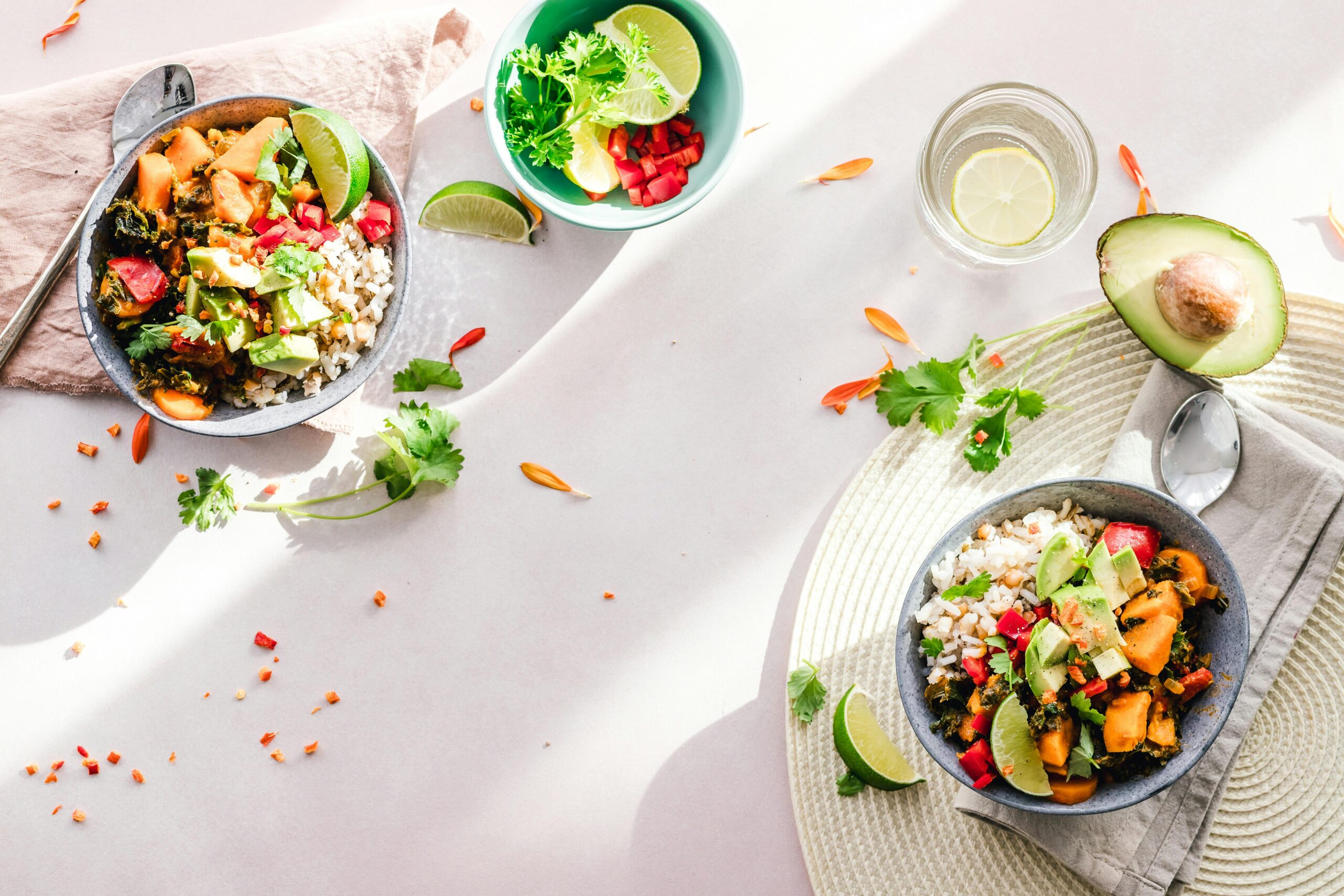
Quick meals can be both calm and convenient. A smoothie with yogurt or kefir, berries, spinach, ground flaxseed, and a spoon of almond butter is nutrient-dense and steadying. A “mood bowl” with brown rice or quinoa, chickpeas or salmon, mixed greens, roasted veggies, avocado, and a lemon–olive oil dressing checks all boxes.
For a cozy option, try red lentil soup with turmeric and ginger. Add a side of whole-grain toast brushed with olive oil and a sprinkle of pumpkin seeds for crunch and minerals.
Snacks are mini opportunities for balance. Great options include apple slices with peanut or almond butter, Greek yogurt with cinnamon and walnuts, hummus with carrots and cucumber, edamame with sea salt, a handful of mixed nuts and dark chocolate, or oats soaked in milk with chia and berries.
Keep a small “calm kit” nearby: nuts, herbal tea bags, a piece of dark chocolate, and a shelf-stable tuna or chickpea pack. When stress hits, your choices are already waiting.
Eating well doesn’t have to be expensive. Buy seasonal produce, choose frozen fruits and vegetables (they’re as nutritious as fresh), and rely on budget-friendly staples like oats, lentils, dried beans, eggs, canned fish, brown rice, and potatoes. Bulk-buy nuts and seeds and store them in airtight containers.
A simple batch-cook rhythm lowers stress: cook a pot of grains, roast a tray of mixed vegetables, prepare a protein (beans, tofu, or fish), and assemble quick bowls through the week. Add fresh herbs and a squeeze of lemon to brighten flavors.
What are the best foods for stress relief?
Fatty fish, walnuts, chia/flax, leafy greens, beans, yogurt or kefir, oats, berries, citrus, olive oil, turmeric, ginger, green tea, and dark chocolate are reliable choices to support calm and steady energy.
How quickly can food improve mood?
Some people feel steadier within days from better hydration and balanced meals. Deeper changes in energy, sleep, and mood may build over weeks of consistent habits.
Is coffee bad for anxiety?
It depends on sensitivity and dose. If you notice jitters or poor sleep, try reducing caffeine, switching to half-caf, or choosing green tea for a gentler lift.
Do supplements replace food?
Food-first works best for most people. Supplements may help in specific cases, but talk to a qualified professional before starting anything new, especially if you take medications.
Are carbs good or bad for mood?
Fiber-rich, minimally processed carbs paired with protein and fat support steady energy and mood. Highly refined carbs can cause spikes and crashes for many people.
Disclaimer: This content is for informational and educational purposes only and is not a substitute for professional medical advice, diagnosis, or treatment. Individual needs vary based on health status, medications, and dietary preferences. If you have ongoing mood concerns, digestive issues, or medical conditions, consult a licensed healthcare provider or registered dietitian for personalized guidance.
Building a calmer mood with food is about simple, steady choices. Fill your plate with protein, healthy fats, fiber-rich carbs, and colorful plants; drink water regularly; and keep caffeine and ultra-processed snacks in check. Over time, these habits strengthen your stress resilience and make room for more clarity, energy, and ease—one nourishing meal at a time.