

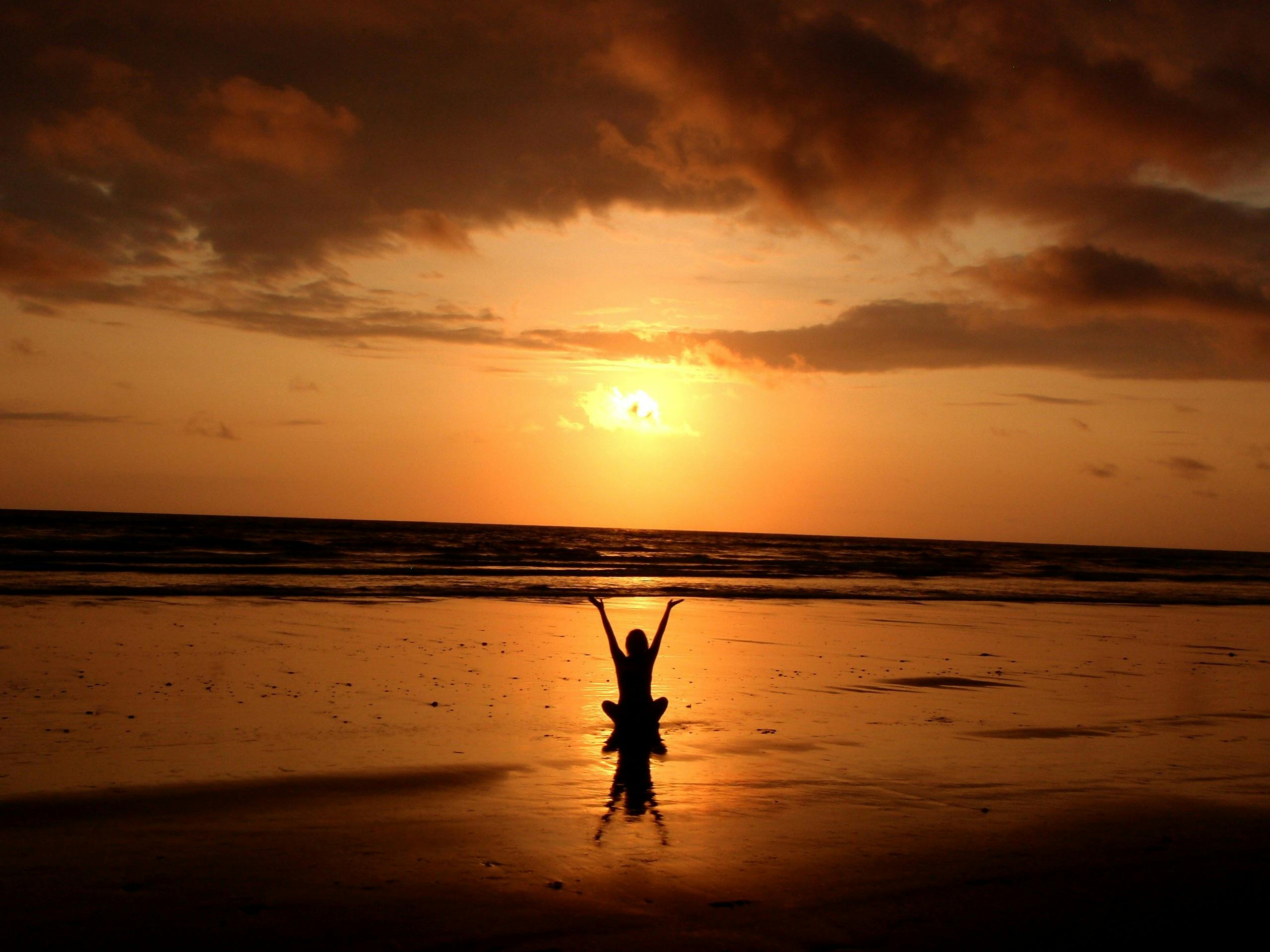
Yoga for Beginners: 10 Easy Poses to Start
Yoga is one of the most ancient and holistic ways to improve physical strength, flexibility, and mental peace. For beginners, starting yoga can feel a little overwhelming — with so many poses, breathing techniques, and styles to choose from. But the beauty of yoga lies in its simplicity. You don’t need to be flexible or athletic to begin. All you need is a calm space, a yoga mat, and a few minutes of dedication each day.
Practicing yoga regularly not only strengthens your body but also relaxes your mind, balances your emotions, and improves focus. Whether you’re looking to reduce stress, tone your muscles, or simply start a healthier lifestyle, these ten beginner-friendly yoga poses will help you build a strong foundation.
1. Mountain Pose (Tadasana)
The Mountain Pose may look simple, but it’s the foundation of all standing yoga poses. It teaches you how to stand tall and grounded, improving posture and body awareness.
How to do it: Stand straight with feet together, arms at your sides, and weight evenly distributed. Inhale deeply, raise your arms overhead, and stretch upward while keeping your shoulders relaxed. Hold for a few breaths.
Benefits: Improves posture, balance, and focus while strengthening your legs and core.
2. Downward Facing Dog (Adho Mukha Svanasana)
This pose is one of the most popular in yoga, known for stretching the entire body while energizing the mind.
How to do it: Start on your hands and knees, with wrists under shoulders and knees under hips. Lift your hips toward the ceiling, straightening your legs as much as possible. Press your palms firmly into the mat and keep your head between your arms.
Benefits: Stretches the hamstrings, shoulders, and back while improving blood circulation and calming the mind.
3. Child’s Pose (Balasana)
Child’s Pose is the perfect resting position, ideal for relaxation and stretching your back gently. It’s also used between difficult poses to regain breath and calm the body.
How to do it: Kneel on the mat, touch your big toes together, and sit back on your heels. Extend your arms forward and lower your torso between your thighs. Rest your forehead on the floor and breathe deeply.
Benefits: Relieves stress, relaxes the spine, and gently stretches hips and thighs.
4. Cat-Cow Pose (Marjaryasana-Bitilasana)
This pose sequence increases flexibility in the spine and warms up the body before deeper stretches.
How to do it: Begin on all fours. Inhale as you arch your back (Cow Pose), lifting your head and tailbone toward the ceiling. Exhale as you round your spine (Cat Pose), bringing your chin toward your chest. Continue flowing with your breath.
Benefits: Improves spinal flexibility, reduces back pain, and massages abdominal organs.
5. Warrior I (Virabhadrasana I)
Warrior I is a strong standing pose that improves stamina and confidence. It’s a great posture to build strength in the lower body while opening up the chest and lungs.
How to do it: Step one foot forward into a lunge, keeping the back foot angled slightly outward. Raise your arms overhead, palms facing each other. Square your hips forward and gaze up gently.
Benefits: Strengthens legs, opens chest and shoulders, and builds focus and endurance.
6. Tree Pose (Vrikshasana)
This balancing pose helps you develop focus and stability. It also strengthens your legs and improves posture.
How to do it: Stand tall and shift your weight onto one foot. Place the sole of the opposite foot on your inner thigh or calf (avoid the knee). Bring your palms together in front of your chest or raise them overhead. Hold for a few breaths, then switch sides.
Benefits: Enhances balance, stability, and concentration while toning leg muscles.
7. Cobra Pose (Bhujangasana)
A gentle backbend, Cobra Pose strengthens the spine and opens the chest, improving flexibility and relieving stress.
How to do it: Lie on your stomach with your palms under your shoulders. Inhale and lift your chest off the ground while keeping elbows close to your body. Keep your shoulders relaxed and gaze forward.
Benefits: Strengthens back muscles, relieves fatigue, and improves posture.
8. Bridge Pose (Setu Bandhasana)
Bridge Pose helps open the chest and stretch the spine while strengthening the lower body. It’s excellent for improving posture and reducing anxiety.
How to do it: Lie on your back, bend your knees, and keep feet hip-width apart. Press your feet and arms into the mat as you lift your hips toward the ceiling. Hold for a few breaths and release slowly.
Benefits: Strengthens glutes, back, and legs while calming the nervous system.
9. Seated Forward Bend (Paschimottanasana)
This calming pose deeply stretches the spine and hamstrings, promoting relaxation and flexibility.
How to do it: Sit with your legs extended straight in front of you. Inhale, lengthen your spine, and as you exhale, bend forward from your hips, reaching for your feet or ankles. Hold gently without straining.
Benefits: Improves flexibility, relieves tension, and calms the mind.
10. Corpse Pose (Savasana)
This is the final relaxation pose practiced at the end of a yoga session. Though it looks simple, it allows your body and mind to absorb the benefits of your practice fully.
How to do it: Lie flat on your back, arms relaxed by your sides, and legs slightly apart. Close your eyes and take slow, deep breaths. Stay here for 5–10 minutes.
Benefits: Reduces stress, promotes inner peace, and rejuvenates the body.
Tips for Beginners
- Start slowly and focus on your breath.
- Use a yoga mat for comfort and grip.
- Wear comfortable clothing that allows free movement.
- Never force your body into a pose — flexibility develops over time.
- Try to practice daily, even if it’s just for 10–15 minutes.
- Stay consistent and patient; progress will come naturally.
Yoga isn’t about perfection — it’s about connection. Each time you step on the mat, you’re giving your body and mind a chance to heal, strengthen, and grow. Over time, these simple poses will not only make you more flexible and balanced but also more mindful and peaceful in daily life.
So, roll out your mat, take a deep breath, and begin your yoga journey today. Every small step counts toward a healthier, happier you.











Pingback: Early Signs of Vitamin Deficiency You Should Not Ignore