
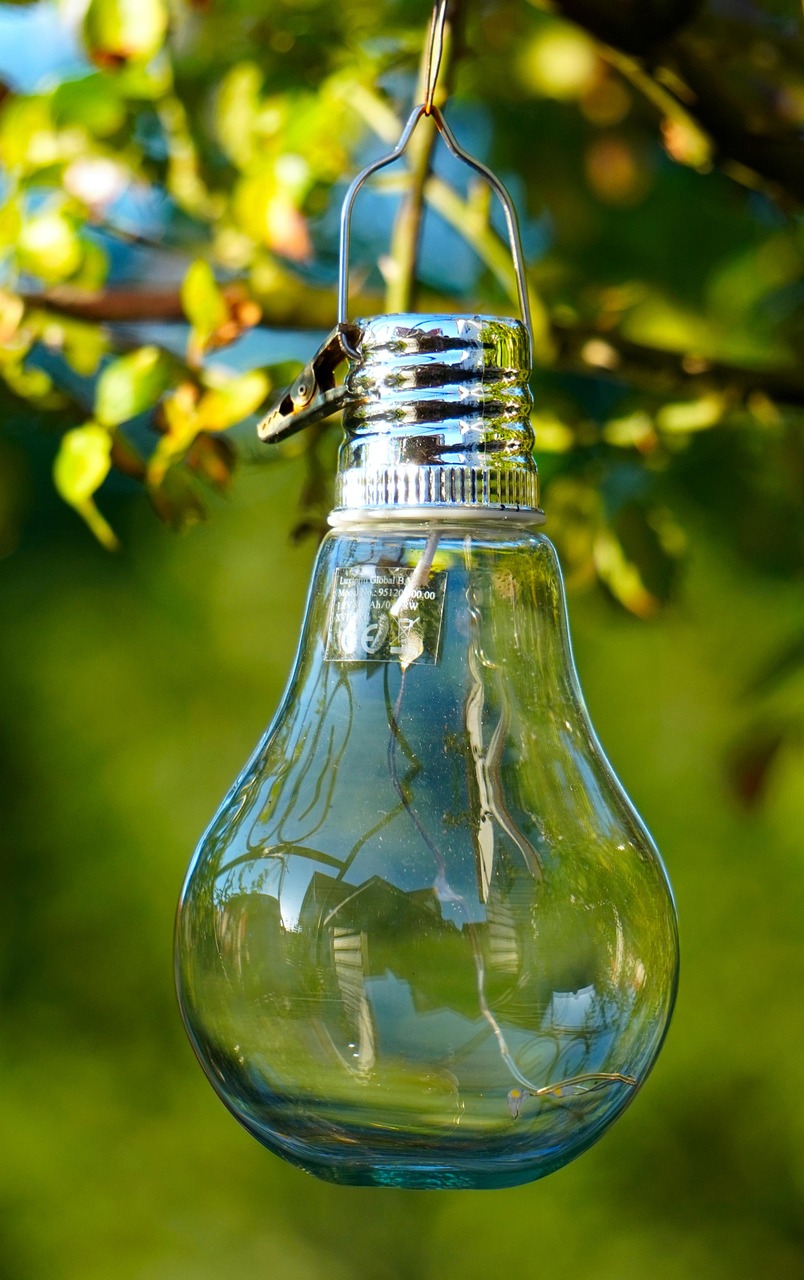
DIY Solar Light for Home / Balcony (2026 Updated Version) — Simple No-MCU Build
Build a reliable, maintenance-friendly solar light for your balcony, garden, or pathway without any microcontroller. This simple 2026 version uses a small solar panel, battery, charge controller, LED module, and an LDR-based dusk-to-dawn switch. No coding required — perfect for beginners!
Why build a solar light?
A simple no-microcontroller solar light is the best choice for long-term reliability. Fewer components = fewer failure points. Perfect for:
- Balcony lighting
- Garden / pathway lighting
- Gate / stairway illumination
- Emergency backup lighting
Parts & recommended buys
Replace each # with your Amazon affiliate link.

Solar Panel — 5W to 10W
Best for charging small Li-ion or SLA batteries. Mono panels = more efficient.
- Recommended: 6V 5W / 12V 10W
- Weatherproof, long life
Buy on Amazon
Solar Charge Controller / TP4056
Controls charging & protects battery from overcharge/discharge.
- For Li-ion: TP4056 + protection
- For SLA: Small 12V PWM controller
Buy on Amazon
Battery — Li-ion 18650 / SLA
Use quality cells for longer runtime and durability.
- Li-ion 18650 (3.7V)
- SLA 12V for larger systems
Buy on Amazon
LED Module — COB / SMD
1W–5W LEDs are ideal for bright and efficient lighting.
- 3000K–4000K recommended
- Use LED driver for protection
Buy on Amazon
LDR Dusk-to-Dawn Switch
Automatically lights up at night and turns off at sunrise.
- Beginner-friendly module
- Relay or transistor output
Buy on Amazon
Misc Items
Wires, enclosure, heat-shrink, silicone sealant, screws, brackets.
Buy on Amazon
How it works
During daytime, the solar panel charges the battery using the charge controller. At dusk, the LDR senses darkness and automatically switches the LED ON. At dawn, it turns OFF.
| Daytime | Solar Panel → Controller → Battery |
| Night | Battery → LDR Switch → LED |
| Protection | Controller prevents overcharge/discharge |
Step-by-step assembly
- Mount the solar panel — Face south, tilt 20–30°.
- Place battery & controller inside a waterproof box.
- Connect solar panel → controller input (observe polarity).
- Connect controller output → battery terminals.
- Connect LED through LDR relay / transistor.
- Test LDR by covering it — LED should turn ON.
- Seal enclosure using silicone for waterproofing.
Wiring diagram
  [SOLAR PANEL] ---> [CHARGE CONTROLLER] ---> [BATTERY]
                                   |
                                   |--> [LDR MODULE] --> (Relay/Transistor) --> [LED]
  Solar 5V -> TP4056 IN+
  Solar GND -> TP4056 IN-
  TP4056 B+ -> Battery +
  TP4056 B- -> Battery -
  Battery + -> LED via LDR Switch
  Battery - -> LED -
Testing & commissioning
- Place panel in sun → battery should charge.
- Cover LDR → LED should turn ON instantly.
- Measure LED current to estimate runtime.
- Adjust LDR sensitivity using onboard potentiometer.
Troubleshooting
- LED not turning ON: Check LDR module polarity & battery charge.
- Low brightness: Battery weak / LED current too low.
- Not charging: Wrong polarity or weak sunlight.
- LDR false triggering: Keep away from other lights.
FAQs
Yes, but use a proper protection BMS. Never mix old & new cells.
A single 2000mAh cell runs a 300mA LED for ~6 hours.
Yes, you can add a PIR module later for brighter output on motion.
Read More DIY Projects
Explore more beginner-friendly electronics DIY guides: