
Choosing the right smartphone processor plays a critical role in determining how smoothly your device performs during everyday tasks. From browsing the web and using social media apps to capturing photos, streaming videos, and playing games, the chipset inside your phone controls almost every aspect of your experience.
Two names dominate the mobile processor industry today: Qualcomm Snapdragon and MediaTek. Both brands power millions of smartphones worldwide, yet many users still wonder which option wins in the Snapdragon vs MediaTek processors comparison for daily use.
This in-depth guide focuses on real-world usage rather than just benchmark numbers. As technology moves toward AI-powered computing—similar to trends discussed in the future of AI-powered performance—smartphone processors are evolving rapidly.
What Is a Mobile Processor?
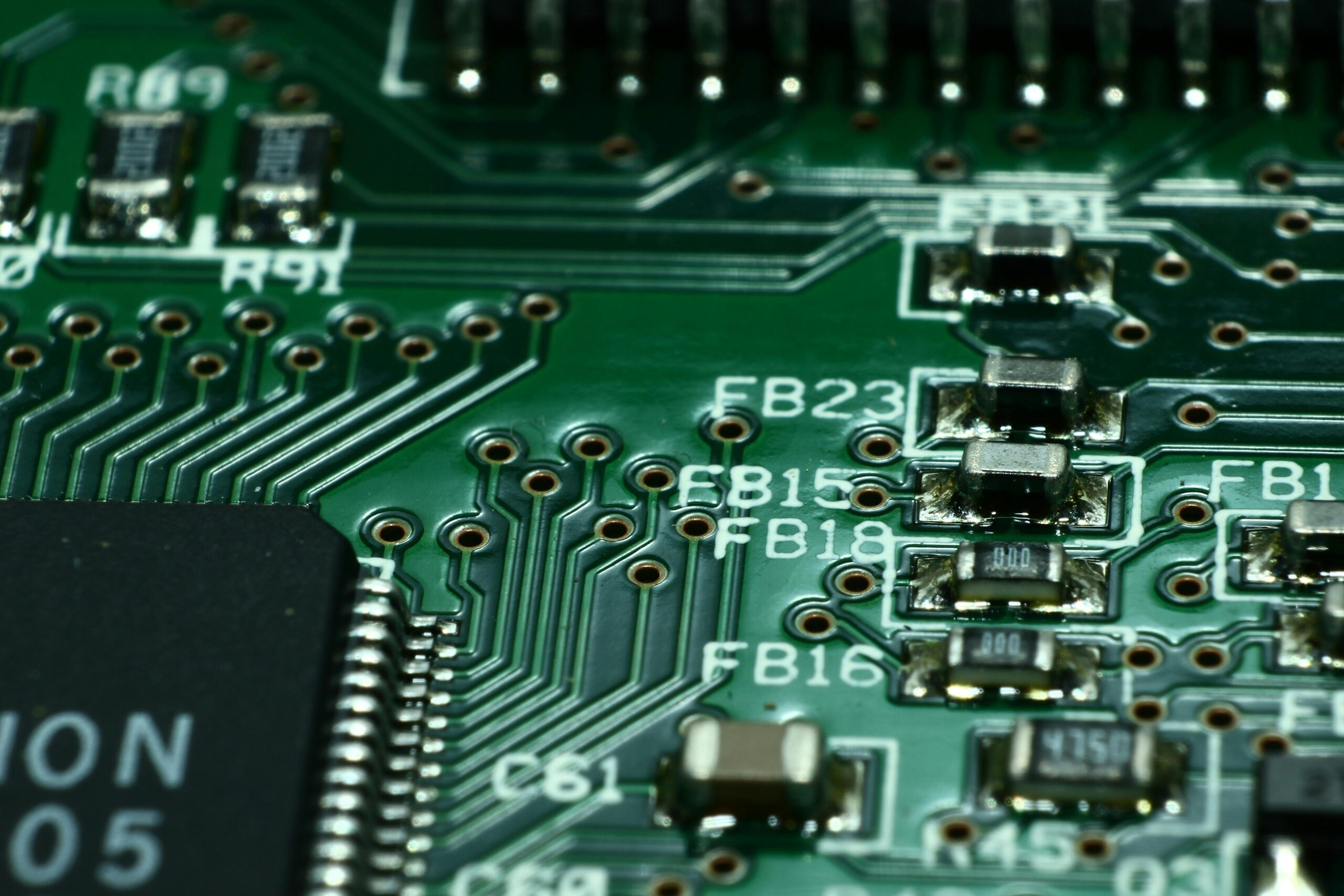
A mobile processor, also known as a System on a Chip (SoC), is the brain of a smartphone. Unlike desktop CPUs, a mobile SoC integrates multiple components such as the CPU, GPU, AI engine, ISP, modem, and memory controller into a single chip.
This integration allows smartphones to remain compact while delivering strong performance and power efficiency.
Key areas influenced by the processor include:
- App loading and multitasking
- Battery efficiency
- Gaming and graphics
- Camera and video quality
- 5G and Wi-Fi connectivity
If you are planning to buy a new phone, understanding the processor is just as important as checking RAM or camera specs. You can explore more essential buying tips here: 10 gadget specs you must check before buying your next smartphone.
Snapdragon Processors: Overview
Snapdragon processors are developed by Qualcomm, a US-based semiconductor company known for its leadership in wireless technology. Snapdragon chips are widely used in premium and mid-range Android smartphones, and they are central to many comparisons of Snapdragon vs MediaTek processors in performance-oriented devices.
Snapdragon processor series include:
- Snapdragon 8 Series – Flagship performance
- Snapdragon 7 Series – Upper mid-range
- Snapdragon 6 Series – Mid-range
- Snapdragon 4 Series – Budget devices
Qualcomm focuses heavily on GPU performance, AI processing, camera optimization, and network stability. You can see examples of its latest platforms on the official Snapdragon product page at Qualcomm Snapdragon.
MediaTek Processors: Overview
MediaTek is a Taiwan-based company that has transformed its reputation over the last decade. Once known mainly for budget processors, MediaTek now competes strongly in the mid-range and flagship segments, so the Snapdragon vs MediaTek processors debate is relevant in almost every price range.
MediaTek processor families include:
- Dimensity Series – 5G mid-range and flagship
- Helio G Series – Gaming-focused chips
- Helio P Series – Power-efficient processors
- Helio A Series – Entry-level phones
MediaTek’s biggest strength lies in offering powerful hardware at competitive prices. You can check its Dimensity lineup on the official MediaTek smartphone platforms page.
Manufacturing Process and Architecture
Both Snapdragon and MediaTek processors are manufactured by leading foundries like TSMC and Samsung Foundry. Smaller fabrication sizes generally mean better power efficiency and thermal performance.
Snapdragon chips often use custom optimizations layered on ARM designs, while MediaTek sticks closer to ARM reference architectures for faster development and lower cost.
In recent years, both brands have shifted many of their mid-range and flagship chipsets to advanced 4 nm and 5 nm nodes, which helps Snapdragon vs MediaTek processors deliver laptop-like performance in thin smartphone bodies.
CPU Performance for Daily Use
CPU performance affects how fast apps open, how smooth multitasking feels, and how responsive your phone is.
Snapdragon CPUs are known for consistent, stable performance and excellent optimization with Android. Many manufacturers pair them with faster storage and memory configurations to make the most of the chip.
MediaTek CPUs deliver fast performance, especially in short bursts, and perform extremely well in daily tasks such as browsing, messaging, and productivity.
For most users, the difference is negligible in everyday usage. In simple day-to-day comparisons of Snapdragon vs MediaTek processors for social media, banking apps, and messaging, both sides feel equally fluid when paired with sufficient RAM.
Where the gap becomes visible is under sustained heavy workloads like 4K video recording, long gaming sessions, or editing large photos, where some Snapdragon flagship chips typically throttle less and maintain higher peak performance for longer.
GPU and Gaming Performance
Gaming performance depends heavily on the GPU.
Snapdragon uses Adreno GPUs, which are widely considered the best for mobile gaming. Many popular games are optimized specifically for Adreno, so the gaming side of the Snapdragon vs MediaTek processors battle often favors Snapdragon in high-end titles.
MediaTek uses Mali GPUs, which have improved significantly and now offer smooth gameplay for casual and mid-level gamers.
Hardcore gamers may prefer Snapdragon, while casual gamers will be satisfied with either.
In esports titles with high frame-rate modes, flagship Snapdragon chips often deliver more stable performance at 90 Hz or 120 Hz refresh rates, while capable Dimensity chips still provide good value-driven gaming for most people.
AI and Machine Learning Capabilities
AI is used for camera enhancements, battery optimization, voice assistants, and security.
Snapdragon features powerful AI engines that enhance photography, real-time translation, and voice recognition. These capabilities help Snapdragon-based phones shine in AI-heavy tasks such as background noise cancellation and on-device smart assistants.
MediaTek’s AI Processing Units in Dimensity chips offer competitive AI features that work well in daily scenarios. In typical Snapdragon vs MediaTek processors usage, both platforms handle AI-assisted camera modes, scene detection, and smart battery features reliably.
On modern Android phones, AI also powers background tasks such as app preloading, spam detection, and personalized suggestions, so even if you do not notice it directly, the processor’s AI capabilities quietly improve the overall user experience.
Battery Efficiency and Thermal Management
Battery life is critical for daily use.
Snapdragon processors are known for balanced power usage and better heat control during extended workloads. Many phones with Snapdragon chips stay comfortable to hold even during long navigation or video sessions.
MediaTek processors, especially newer Dimensity chips, offer excellent battery efficiency, particularly in mid-range phones.
For normal usage like calls, social media, and streaming, both perform similarly. In real-world Snapdragon vs MediaTek processors tests, screen-on time is often more dependent on battery size and software tuning than the SoC alone.
When combined with large batteries and aggressive software optimization from brands like Xiaomi, Realme, and Samsung, both Snapdragon and MediaTek-based phones can comfortably last a full day for most users, even with moderate gaming and media consumption.
Camera and Video Performance
Camera quality depends heavily on the Image Signal Processor (ISP).
Snapdragon ISPs excel in HDR, low-light photography, and video stabilization. Flagship Snapdragon phones frequently support advanced features such as 8K recording and sophisticated multi-frame noise reduction.
MediaTek ISPs have improved dramatically and now deliver excellent photos in daylight and good results in low light.
Ultimately, the final camera quality still depends largely on the smartphone brand’s tuning, lens quality, and sensor choice, so a well-optimized MediaTek phone can outperform a poorly tuned Snapdragon phone in real-world photography. This is an important detail when judging Snapdragon vs MediaTek processors based only on camera quality.
Connectivity: 5G, Wi-Fi, and Network Stability
Qualcomm has a strong advantage in modem technology, offering wide 5G band support and stable connections.
MediaTek has caught up significantly, and most users will not notice a difference in daily network usage. Dimensity modems support most common 5G bands and offer strong performance in mid-range phones.
If you travel frequently or live in a region with many different 5G bands, Snapdragon-powered flagships may provide more reliable roaming and carrier aggregation, but for typical local use the Snapdragon vs MediaTek processors connectivity gap is much smaller than before.
Software Optimization and Updates
Snapdragon devices generally receive faster Android updates and better long-term optimization, partly because many custom ROM developers target Snapdragon hardware first.
MediaTek software support has improved, especially with major smartphone brands, but long-term updates may vary depending on price and region.
Brands that promise three to four years of Android OS updates and security patches often reserve these policies for Snapdragon-based premium models, while budget MediaTek models may only receive one or two major updates. When comparing Snapdragon vs MediaTek processors, software support is a crucial factor for long-term buyers.
Snapdragon vs MediaTek Processors for Daily Use
For true everyday usage—chatting, watching videos, scrolling social media, UPI payments, and light photography—both Snapdragon and MediaTek processors offer smooth, responsive performance when paired with at least 6 GB of RAM and modern storage like UFS 2.2 or higher.
Lag and stutter are more likely to come from heavy skins, poorly optimized apps, or low storage than from the processor itself, which is why even affordable MediaTek-powered phones can feel very fast in real life.
- In light to moderate usage, you will rarely notice a difference between similarly priced Snapdragon and MediaTek phones.
- Under continuous heavy loads like 3D gaming or long 4K video recording, Snapdragon chips usually remain cooler and more stable.
- MediaTek offers impressive performance in budget and mid-range phones, making it easier to get a fast device without spending flagship-level money.
From a daily user’s point of view, the Snapdragon vs MediaTek processors debate matters more if you are a gamer, content creator, or power user than if you mainly do calls, chats, and video streaming.
Snapdragon vs MediaTek by Price Segment
Entry-Level
MediaTek offers better value, while Snapdragon focuses on efficiency. For very affordable phones, MediaTek often delivers more cores and higher clocks, which help keep Android smooth.
Mid-Range
MediaTek dominates performance-per-price, while Snapdragon offers refinement, stronger GPU performance, and better long-term support. Many of the best value phones use Dimensity chips, which makes mid-range Snapdragon vs MediaTek processors decisions strongly budget-driven.
Flagship
Snapdragon still leads, though MediaTek is closing the gap with powerful Dimensity platforms. For the absolute best gaming, camera, and connectivity, flagship Snapdragon chips are still the safer pick in late 2025.
When comparing specific models, always look at the exact chipset name (for example, Snapdragon 4 Gen 2 vs Dimensity 6100+ or Snapdragon 8 Gen 3 vs Dimensity 9300), because performance can vary dramatically even within the same brand and price segment.
Pros and Cons of Snapdragon vs MediaTek
Snapdragon Pros
- Best gaming performance and thermals in most flagship chips
- Strong camera processing and advanced ISP features
- Excellent connectivity with mature 4G and 5G modems
- Better long-term support and custom ROM availability
Snapdragon Cons
- Flagship Snapdragon phones are usually more expensive
- Older mid-range Snapdragon chips can feel slower than newer MediaTek Dimensity models at similar prices
MediaTek Pros
- Excellent value for money across budget and mid-range phones
- Strong mid-range performance that often beats older Snapdragon rivals
- Efficient modern chips with competitive AI and camera features
MediaTek Cons
- Software update policies can be inconsistent on cheaper devices
- Historically weaker custom ROM and modding community support
- High-end Dimensity chips are still less common globally than Snapdragon flagships
Snapdragon vs MediaTek Feature Comparison Table
| Feature | Snapdragon | MediaTek |
|---|---|---|
| Daily performance | Very smooth, especially on mid-range and flagship chips | Equally smooth for everyday tasks on modern Dimensity and Helio G chips |
| Gaming | Adreno GPUs with strong optimization and stable FPS | Mali GPUs good for casual to mid-level gaming |
| Battery and heat | Balanced power use, often cooler in long gaming sessions | Excellent efficiency in budget and mid-range phones |
| Camera processing | Advanced ISP with strong HDR and video features | Rapidly improving ISP, great daylight photos |
| 5G and connectivity | Industry-leading modem technology in many chips | Good 5G support with competitive speeds |
| Update support | Generally better long-term OS and security updates | Depends on brand; budget phones may get fewer updates |
| Price-to-performance | Stronger at premium and upper mid-range tiers | Outstanding in budget and mid-range segments |
How to Check Which Processor Your Phone Uses
Many buyers are not sure which chipset powers a particular smartphone, especially when brands highlight only marketing names in advertisements.
- Open the official product page of the phone and look for “Processor,” “Chipset,” or “SoC” in the specifications section.
- On Android, apps like CPU-Z, AIDA64, or Device Info HW can show you the exact processor model installed in your device.
- When buying offline, ask the salesperson to show you the detailed spec sheet or check the brand’s website yourself before making a payment.
Knowing the exact chip model makes it easier to compare Snapdragon vs MediaTek processors using trusted benchmarks and long-term reviews rather than marketing slogans.
Which Processor Is Better for You?
- Choose Snapdragon if you want gaming, camera quality, and long-term reliability.
- Choose MediaTek if you want the best features at a lower price.
For most daily users, both processors offer excellent experiences. Your decision in the Snapdragon vs MediaTek processors debate should focus on the total package of the phone: display, RAM, storage, battery, cameras, and software policy.
Before deciding, make a quick checklist of your priorities: gaming, camera, 5G bands in your country, software update policy, and budget. Then compare two or three phones side by side, paying attention not only to the processor but also to RAM, storage type, display quality, and battery capacity, because these elements together shape your real-world experience.
Final Verdict: Snapdragon vs MediaTek for Daily Use
There is no absolute winner in the Snapdragon vs MediaTek debate. Snapdragon excels in premium performance and optimization, while MediaTek shines in affordability and value.
As smartphone technology evolves—similar to flagship devices like the latest iPhone models—both brands will continue to innovate.
The best processor is the one that matches your budget, usage style, and smartphone brand.