
AIDS Awareness Guide: Causes, Symptoms, Prevention, Treatment & Myths Explained
AIDS is one of the most misunderstood health conditions in the world. Even today, many people fear it more because of myths and stigma than because of medical facts. This detailed AIDS awareness guide is written in simple language to give you clear, accurate, and practical information about HIV and AIDS so that you can protect yourself and others without panic or confusion.
In this AIDS awareness guide, you will learn what HIV and AIDS really are, how the virus enters the body, which activities are risky, which are completely safe, what symptoms to watch for, how modern treatment works, and how people with HIV can live long, healthy, and productive lives. Whether you are a student, parent, teacher, healthcare worker, or simply a concerned reader, this guide aims to remove fear and replace it with knowledge.

1. HIV vs AIDS: Understanding the Difference
Many people use the words HIV and AIDS as if they are the same thing, but they are not. HIV stands for Human Immunodeficiency Virus. It is the virus that enters the body and attacks the immune system. AIDS stands for Acquired Immunodeficiency Syndrome, which is the advanced stage of HIV infection when the immune system is severely damaged and the person develops serious infections and illnesses.
A person can be HIV-positive for many years and never develop AIDS if they receive timely treatment and take their medicines regularly. This is one of the most important facts in any AIDS awareness guide: HIV is not a death sentence. With proper care, it can be managed like a long-term medical condition.
2. How HIV Attacks the Immune System
HIV primarily attacks a type of white blood cell called the CD4 cell (also known as T-helper cell). These cells act like commanders of the immune army, coordinating the body’s response to infections. When HIV enters the body, it attaches itself to CD4 cells, enters them, and uses their machinery to make copies of the virus.
Over time, as more CD4 cells are destroyed, the immune system becomes weaker. When the CD4 count drops below a certain level and the person develops particular infections or cancers, doctors say the person has progressed from HIV infection to AIDS. A key goal of all HIV treatment is to keep the CD4 count high and prevent AIDS from ever developing. This AIDS awareness guide highlights that early diagnosis and treatment can effectively stop this progression.
3. Ways HIV Is Transmitted
HIV is present in certain body fluids of an infected person. For transmission to occur, these fluids must come into contact with the bloodstream or mucous membranes of another person. The main fluids that can carry HIV are:
- Blood
- Semen and pre-seminal fluid
- Vaginal fluids
- Rectal fluids
- Breast milk
According to global health organizations such as the World Health Organization (WHO), the scientifically proven ways HIV is commonly transmitted are:
- Unprotected vaginal, anal, or oral sex with an HIV-positive person
- Sharing needles, syringes, or other sharp instruments that have infected blood on them
- Receiving blood transfusions or organ transplants from an infected donor (rare now where blood is screened)
- From an HIV-positive mother to her baby during pregnancy, childbirth, or breastfeeding, if preventive steps are not taken
This AIDS awareness guide emphasises that HIV transmission requires specific conditions. The virus cannot jump across air or skin like a cold or flu virus. It needs direct access to the bloodstream or delicate tissues through these body fluids.
4. How HIV Is Not Transmitted
One of the biggest sources of fear is misunderstanding how HIV spreads. Clearing up these myths is a central goal of any responsible AIDS awareness guide. HIV does NOT spread through:
- Hugging, handshakes, or normal physical contact
- Sharing food, water, cups, plates, or utensils
- Using the same toilet seat, bathroom, or swimming pool
- Sharing clothes, towels, or bedding
- Coughing or sneezing
- Mosquitoes, bedbugs, or other insects
- Casual contact in schools, workplaces, or public transport
When people understand that HIV does not spread through everyday contact, they are more willing to support and stand with those living with HIV. That is why spreading this AIDS awareness guide in families, schools, and workplaces can directly reduce discrimination and isolation.
5. Early Symptoms of HIV Infection
Shortly after infection, some people experience what doctors call acute HIV infection. During this stage, the virus multiplies rapidly, and the immune system responds. Symptoms often resemble a strong flu or viral fever and may appear within two to four weeks after exposure.
Typical early signs can include:
- Fever and chills
- Sore throat
- Swollen lymph nodes
- Rash on the body
- Headache
- Muscle and joint pain
- Extreme tiredness
These symptoms usually go away within a couple of weeks, and many people do not even notice them or assume it was a normal viral infection. After that, HIV may stay in the body silently for years. This is why this AIDS awareness guide strongly encourages regular testing if you have had any potential exposure, even if you feel perfectly healthy.
6. Symptoms of Advanced HIV Infection and AIDS
If HIV is not diagnosed and treated, it gradually damages the immune system and can progress to AIDS. At this stage, the body becomes vulnerable to opportunistic infections—illnesses that usually do not cause serious disease in people with healthy immune systems.
Common warning signs of advanced HIV or AIDS include:
- Severe, unexplained weight loss
- Persistent fever and night sweats
- Chronic diarrhea lasting more than a month
- Frequent or unusual infections such as tuberculosis, pneumonia, or fungal infections
- White patches in the mouth (oral thrush)
- Skin lesions or rashes that don’t heal
- Long-lasting fatigue and weakness
- Confusion, memory problems, or neurological issues
By the time these symptoms appear, the immune system is usually very weak. Early testing and treatment can prevent reaching this stage. That is one of the core messages of this AIDS awareness guide: do not wait for symptoms to appear—get tested if you have any doubt.
7. HIV Testing: Why, When, and How
HIV testing is simple, safe, and confidential. A small sample of blood or oral fluid is usually enough. There are different types of tests—some detect antibodies produced by the body, others detect viral proteins (antigens), and some directly detect genetic material of HIV.
Because the body takes time to produce detectable antibodies, there is a period known as the window period. During this time you may test negative even though you are infected. Modern testing guidelines recommend repeating the test after a few weeks if exposure was recent.
People who should consider regular testing include:
- Anyone who has had unprotected sex with a new or multiple partners
- Individuals who inject drugs or share needles
- People diagnosed with other sexually transmitted infections (STIs)
- Pregnant women, as part of routine antenatal check-ups
- Healthcare workers after accidental needle-stick injuries
Testing centers, hospitals, and NGOs often offer free or low-cost HIV tests. Organizations like UNAIDS and national AIDS control programs provide information on nearby testing facilities. An AIDS awareness guide is complete only when it motivates readers to know their status and encourage others to do the same.
8. Is There a Cure for HIV or AIDS?
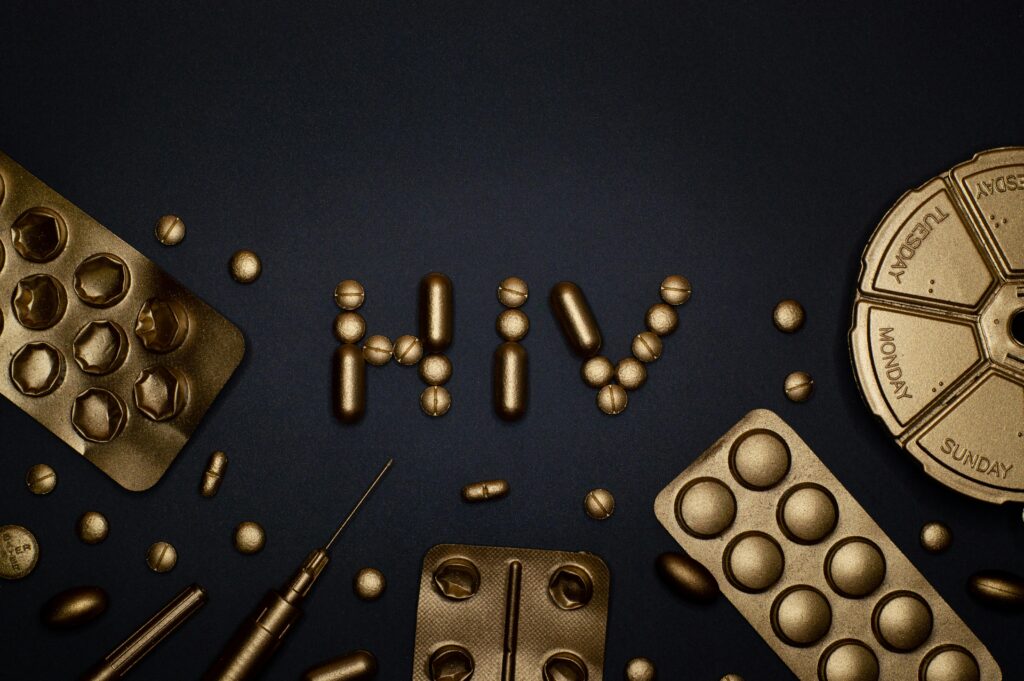
At present, there is no permanent cure that removes HIV completely from the body. However, modern medicines have transformed HIV into a manageable long-term condition. The standard treatment is called Antiretroviral Therapy (ART). It combines different drugs that attack the virus at multiple stages of its life cycle.
When taken correctly every day, ART can reduce the amount of virus in the blood to such low levels that lab tests call it undetectable. This protects the immune system, prevents AIDS, and dramatically reduces the chance of transmitting HIV to others. This is summarised in the powerful message promoted by experts and highlighted in this AIDS awareness guide: U = U (Undetectable = Untransmittable).
9. How Antiretroviral Therapy (ART) Works
ART uses a combination of medicines that block HIV from entering cells, copying its genetic material, or assembling new virus particles. Because HIV mutates easily, doctors use at least three different drugs together to prevent resistance.
Key points about ART that everyone reading this AIDS awareness guide should remember:
- ART should start as soon as possible after diagnosis—early treatment leads to better outcomes.
- Medicines must be taken exactly as prescribed, ideally at the same time every day.
- Skipping doses can allow the virus to become resistant, making treatment less effective.
- Side effects are usually manageable and often improve after the first few weeks.
- Regular check-ups are needed to monitor viral load and CD4 count.
Many governments and health programs now provide ART for free or at highly subsidized cost. No one should avoid treatment because of money. If you or someone you know is struggling to access medicines, reach out to local HIV support organizations or national helplines for guidance.
10. Preventing HIV: Practical Protection Strategies
One of the strongest messages of this AIDS awareness guide is that HIV is completely preventable. You can dramatically reduce your risk by following a few clear steps:
- Practice safer sex: Always use condoms correctly during vaginal, anal, and oral sex. Condoms must be stored properly and not reused.
- Limit number of partners: Fewer partners and mutually faithful relationships lower risk.
- Get tested together: Couples should consider HIV testing before stopping condom use.
- Never share needles or syringes: This includes injection drug equipment, tattoo needles, and razors.
- Use only screened blood: In medical settings, ensure blood is properly tested for HIV.
- Pre-Exposure Prophylaxis (PrEP): For people at very high risk, daily preventive medicine can significantly reduce the chance of infection.
- Post-Exposure Prophylaxis (PEP): If you think you have been exposed to HIV, starting PEP within 72 hours can greatly reduce infection risk. This requires immediate consultation with a healthcare provider.
11. Mother-to-Child Transmission and Prevention
Without any treatment, an HIV-positive mother can pass the virus to her baby during pregnancy, childbirth, or breastfeeding. However, with proper care, this risk can be reduced to extremely low levels.
Steps include:
- Early HIV testing during pregnancy
- Starting ART for the mother as soon as possible
- Giving preventive medicine to the baby after birth
- Choosing the safest feeding method as recommended by doctors
When these steps are followed, many babies are born HIV-negative from HIV-positive mothers. This hopeful reality is another key point that any modern AIDS awareness guide must stress: pregnancy is possible and safe with correct medical support.
12. Living with HIV: Health, Work, and Relationships
With consistent treatment, people living with HIV can live long, active, and fulfilling lives. They can study, work, travel, marry, and have children. Modern HIV care focuses on the whole person, not just the virus.
Important lifestyle tips for people living with HIV include:
- Taking ART exactly as prescribed
- Eating a balanced, nutritious diet to support immunity
- Getting regular exercise and enough sleep
- Avoiding smoking, excess alcohol, and recreational drugs
- Keeping up with vaccinations and routine health checks
- Seeking mental health support if feeling anxious or depressed
Friends, family members, and partners can support someone with HIV by treating them with respect, listening without judgment, and encouraging them to stay on treatment. Simple human kindness is one of the most powerful medicines highlighted in this AIDS awareness guide.
13. Stigma, Discrimination, and Mental Health
Sadly, people with HIV still often face fear, rejection, or humiliation. Stigma can push people to hide their status, avoid testing, or delay treatment, which harms both them and the community.
Every reader of this AIDS awareness guide can help reduce stigma by:
- Using respectful language and avoiding hurtful jokes about HIV
- Correcting misinformation when you hear it
- Supporting HIV-positive friends or relatives rather than avoiding them
- Encouraging schools and workplaces to include HIV education in their programs
Mental health support—through counselling, support groups, or helplines—is essential. No one should have to face an HIV diagnosis alone.
14. Global Impact and Progress Against HIV/AIDS
According to data from organizations like the U.S. Centers for Disease Control and Prevention (CDC) and WHO, millions of people worldwide are living with HIV. New infections and AIDS-related deaths have fallen significantly thanks to prevention programs and ART, but the epidemic is not over.
Prevention, testing, and treatment services are expanding, especially in low- and middle-income countries. Yet many people still do not know their status or cannot access proper care. Sharing a clear, fact-based AIDS awareness guide in your community is a small but meaningful step toward a world where no one dies due to ignorance or stigma.
15. How Health Education Websites Can Help
Trusted online health resources make it easier for people to learn privately and comfortably. On this website, our health section publishes simple explanations about common illnesses, prevention tips, and medical guidance written in easy language. You can explore more helpful health posts in our Health Tips section to continue building your knowledge beyond this AIDS awareness guide.
Remember, online information is not a replacement for professional medical advice. If you suspect exposure to HIV or experience worrying symptoms, always consult a qualified doctor or visit a government-approved HIV testing center.
Conclusion: Knowledge, Compassion, and Action Save Lives
This comprehensive AIDS awareness guide has explored the difference between HIV and AIDS, how the virus is transmitted and not transmitted, early and late symptoms, the power of testing and treatment, methods of prevention, and the importance of fighting stigma. The key messages are simple but powerful:
- HIV is preventable.
- With treatment, HIV is manageable.
- People with HIV can live long, healthy lives.
- Stigma and fear are often more dangerous than the virus itself.
By sharing this AIDS awareness guide with friends, family, and community groups, you can help others protect themselves, support those already living with HIV, and contribute to a more informed and compassionate world. Knowledge, empathy, and timely action truly save lives.
Frequently Asked Questions (FAQ) About HIV and AIDS
1. Can HIV be cured completely?
As of now, there is no permanent cure that completely removes HIV from the body. However, modern antiretroviral therapy can control the virus so well that it becomes undetectable. When HIV is undetectable, the immune system stays strong and the risk of passing the virus to others is almost zero. This AIDS awareness guide encourages early testing and starting treatment as soon as possible.
2. Can I marry or have children if I have HIV?
Yes. Many people living with HIV marry and have HIV-negative partners and children. The key is regular treatment, medical guidance, and safe practices. When the viral load is undetectable and doctors supervise pregnancy and childbirth, the risk of transmitting HIV to a partner or baby can be extremely low.
3. Does kissing spread HIV?
No. Casual kissing, hugging, holding hands, or sharing utensils does not spread HIV. Deep kissing could pose a theoretical risk only if both partners have open bleeding sores in their mouths, which is very rare. In everyday life, kissing is considered safe, and this AIDS awareness guide stresses that you cannot get HIV from normal social contact.
4. How often should I get tested for HIV?
If you are sexually active with more than one partner or have had unprotected sex, it is wise to get tested at least once a year. People at very high risk may need more frequent testing, as advised by a healthcare provider. Pregnant women are usually tested as part of routine antenatal care.
5. Can HIV be prevented 100%?
Yes. When people consistently use condoms, avoid sharing needles, ensure that blood is screened, and get tested regularly, HIV can be completely prevented. For those at higher risk, medicines like PrEP and PEP provide extra protection. The goal of this AIDS awareness guide is to show that prevention is in everyone’s hands.