

The Advantages and Disadvantages of Artificial Intelligence: How AI is Changing Our World
Artificial Intelligence (AI) is one of the most transformative technologies in human history. From voice assistants that answer our questions to advanced systems predicting diseases or driving cars, AI is now everywhere. But while its growth opens the door to countless benefits, it also comes with challenges that deserve serious attention.
In this article, we’ll dive deep into both sides of AI — the advantages that make it a technological miracle and the disadvantages that remind us to tread carefully.
Understanding Artificial Intelligence
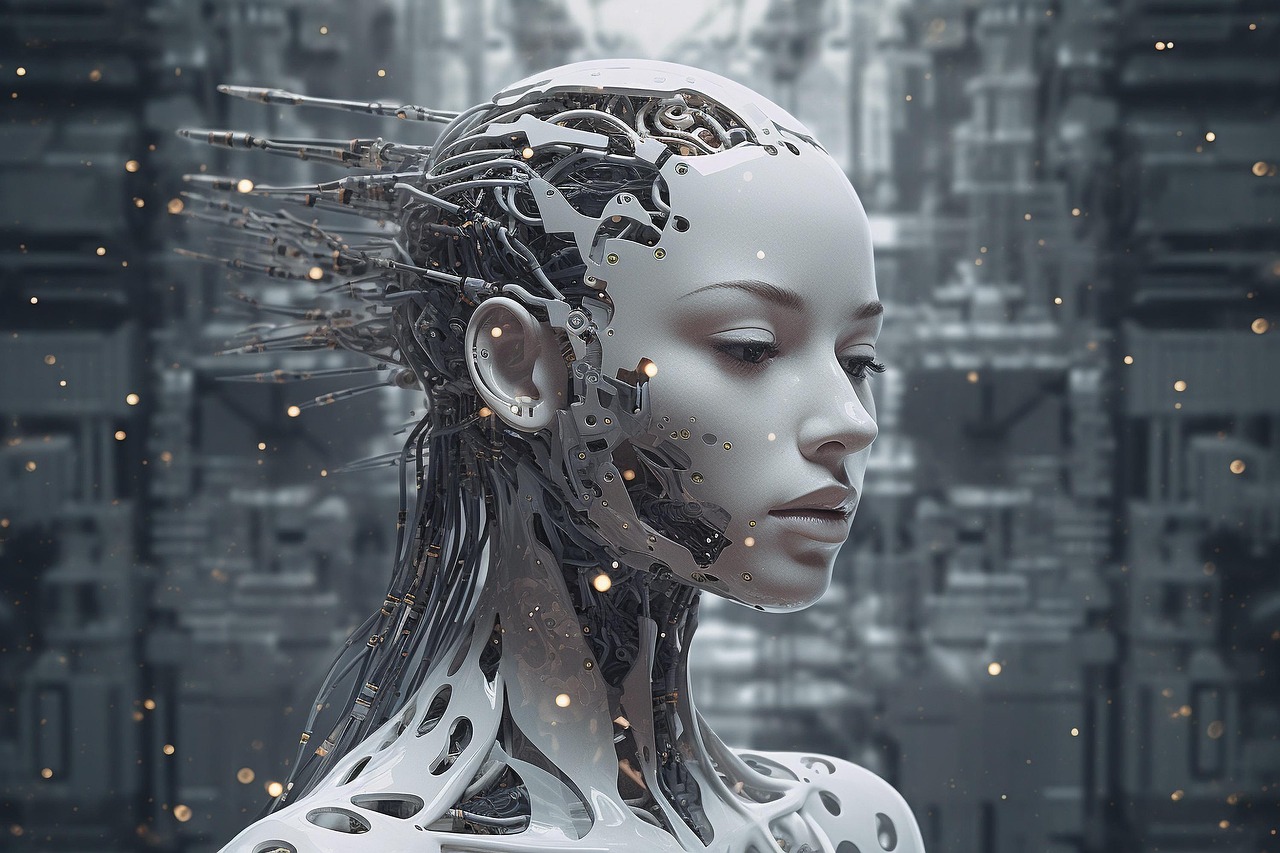
Artificial Intelligence refers to computer systems designed to perform tasks that typically require human intelligence. These tasks include learning, reasoning, problem-solving, perception, and even decision-making. AI technologies are powered by algorithms and data — the more data these systems have, the smarter and more accurate they become.
Examples include chatbots, self-driving cars, facial recognition software, and recommendation engines (like those used by YouTube or Netflix). Whether you realize it or not, AI is already playing a role in almost every area of modern life.
The Major Advantages of Artificial Intelligence
1. Automation and Efficiency
One of AI’s biggest advantages is automation — the ability to complete repetitive or complex tasks without human intervention.
Factories now use AI-powered robots to handle manufacturing, packaging, and quality control. Offices use it for scheduling, customer support, and data entry. This automation saves time, boosts productivity, and reduces human error.
For businesses, AI tools can operate 24/7, ensuring continuous operation without breaks or fatigue. That’s why industries like logistics, healthcare, and e-commerce are adopting AI to streamline workflows.
2. Improved Accuracy and Decision-Making
AI thrives on analyzing data and identifying patterns that humans might overlook. For example, in healthcare, AI algorithms can detect cancer from medical images more accurately than traditional methods. In finance, AI is used to predict market trends or identify fraud in milliseconds.
This enhanced accuracy helps industries make smarter, data-driven decisions — leading to better results with fewer mistakes.
3. Enhanced Customer Experience
Chatbots, AI-powered customer service systems, and recommendation engines have changed the way businesses interact with customers. When you contact a company online, chances are an AI system helps you first. These systems provide instant responses, reduce waiting times, and personalize support.
Streaming platforms like Netflix or Spotify use AI to recommend shows and songs according to your tastes. This personalization builds user satisfaction and loyalty.
4. Advancements in Healthcare
AI’s role in healthcare is revolutionary. From predicting diseases to creating new drugs, AI enhances almost every stage of patient care. Algorithms can analyze medical scans faster than humans, helping doctors detect issues early. Additionally, AI can assist in robotic surgeries with extreme precision and reduced recovery time.
AI-based tools can even predict epidemics, optimize hospital resources, and suggest treatment plans tailored to each patient’s unique condition.
5. Better Security and Fraud Detection
Online security has drastically improved with AI. Machine learning algorithms detect unusual activity, flagging suspicious transactions in real time. Banks, e-commerce sites, and even governments use AI to prevent fraud and cyberattacks.
AI-based surveillance systems can monitor large areas efficiently, identifying threats faster than humans ever could.
6. Exploration and Innovation
AI has made it possible to explore environments humans cannot easily reach — from deep oceans to outer space. Space organizations use AI to analyze astronomical data, detect celestial bodies, and even pilot autonomous spacecraft.
In research and development, AI accelerates innovation by analyzing massive data and generating insights that drive new discoveries.
The Disadvantages and Challenges of Artificial Intelligence
While AI offers remarkable benefits, it isn’t without drawbacks. Some challenges are technical, while others are deeply ethical and social.
1. Job Losses and Unemployment
Automation can reduce the need for human workers, particularly in sectors like manufacturing, customer service, and transportation. When machines take over repetitive tasks, many jobs become obsolete.
While new roles in AI and data science are emerging, the transition requires re-skilling and adaptation, which can be hard for workers in traditional industries.
2. Lack of Human Emotion and Creativity
AI lacks emotion, empathy, and true creativity — qualities only humans possess. While it can compose music, paint images, or write content, it does so by analyzing patterns, not emotions. This limits its ability to understand complex human feelings or produce truly original art inspired by experience.
In customer service or therapy, AI may deliver information well, but it cannot provide genuine emotional support.
3. High Costs of Development
Creating and maintaining AI systems requires massive investment in software, hardware, and data infrastructure. Training advanced models consumes considerable computing power and electricity, making it expensive for small-scale industries or startups to use AI effectively.
Moreover, AI systems often need continuous updates, monitoring, and retraining to stay relevant and accurate.
4. Ethical and Privacy Concerns
AI depends heavily on data — including personal information. This brings up concerns about how that data is collected, stored, and used. Facial recognition systems, social media algorithms, and recommendation engines often raise questions about privacy and surveillance.
There’s also the issue of bias in AI. If an algorithm is trained on biased data, it may produce unfair results, like discrimination in hiring or law enforcement. Ensuring transparency and accountability in AI systems remains an ongoing challenge.
5. Dependency on Technology
As AI takes over more tasks, people may become overly dependent on machines. Over-reliance can weaken human skills, creativity, and problem-solving abilities. For example, drivers relying on GPS or automated driving might lose their sense of direction or situational awareness.
This dependence also poses a risk if systems fail — for example, a glitch in an AI-based power grid could cause widespread disruption.
6. Security and Weaponization Risks
While AI enhances security, it can also pose new threats if used maliciously. Deepfakes — synthetic images or videos created using AI — can spread misinformation easily. Autonomous weapons powered by AI raise serious ethical questions about warfare and accountability.
Cyber attackers could use AI to create advanced malware, manipulate systems, or exploit vulnerabilities faster than humans can respond.
Balancing AI’s Promise with Responsibility
The key to ensuring AI benefits society lies in balancing innovation with ethics. Governments, companies, and individuals all have roles to play. Regulations should promote fairness, transparency, and accountability in AI development.
Meanwhile, educators must prepare future generations with the skills needed for an AI-driven world — emphasizing creative thinking, ethics, and adaptability. Instead of fearing AI, we should focus on using it responsibly, complementing human intelligence rather than replacing it.
The Future of Artificial Intelligence
AI’s future looks incredibly promising. We can expect smarter healthcare systems, more sustainable cities, and personalized education experiences. However, this future also depends on how we address today’s challenges.
In the coming decade, AI will likely integrate deeper into daily life — from virtual teachers to AI-driven climate prediction models. The focus will shift toward creating human-centered AI, where machines augment human abilities rather than replace them.
As society becomes more digital, building trust in AI will be just as vital as building the technology itself.
Final Thoughts
Artificial Intelligence is not good or bad on its own — it’s a tool shaped by how we use it. The advantages are undeniable: efficiency, precision, innovation, and improved quality of life. Yet, its disadvantages remind us that every breakthrough must be guided by responsibility, ethics, and empathy.
If society can manage AI wisely, it will become one of humanity’s greatest achievements — a partner, not a threat, in shaping a better future.