

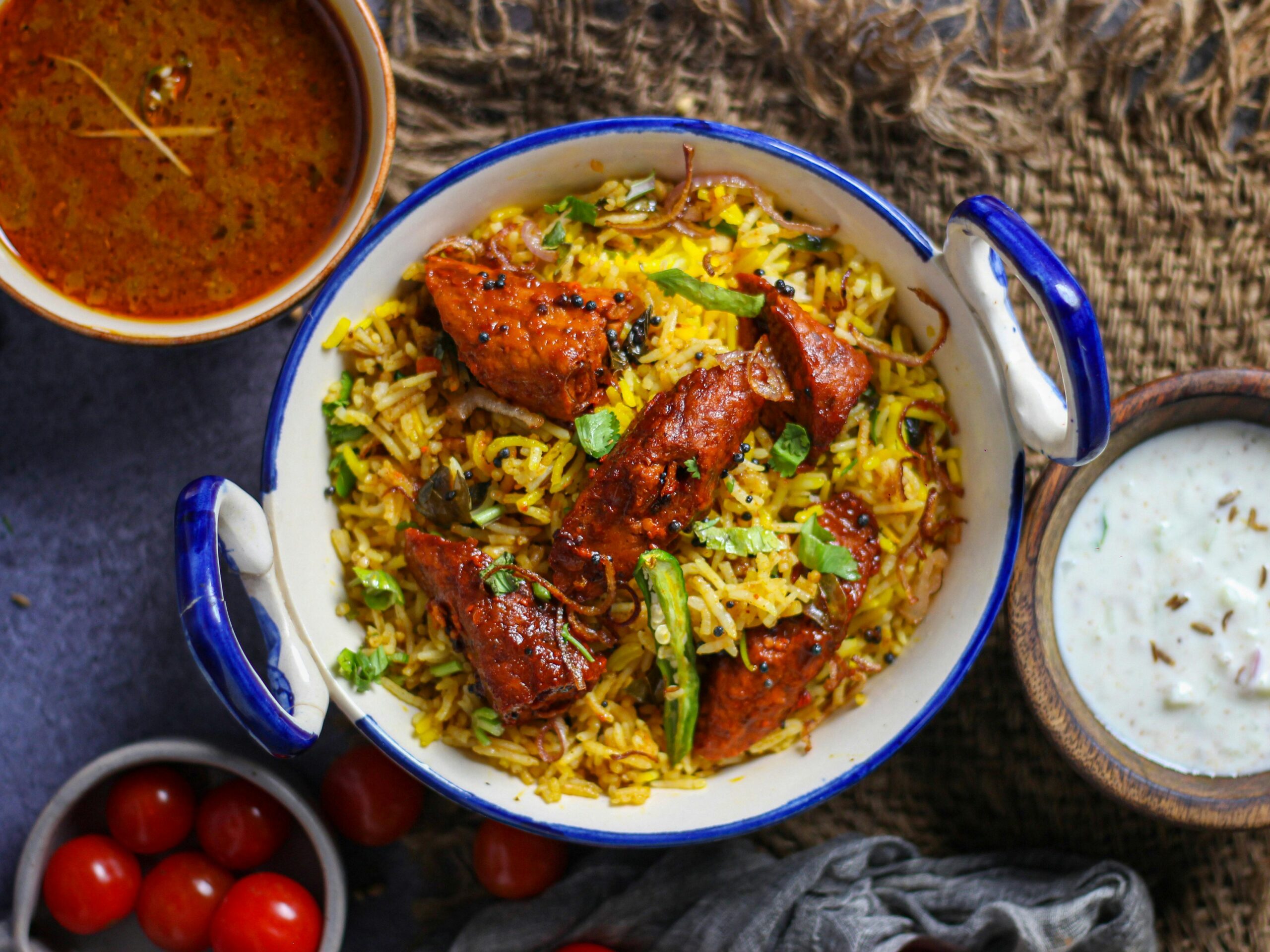
Authentic Chicken Dum Biryani Recipe – Restaurant-Style Aroma and Flavor
Chicken Dum Biryani is one of the crown jewels of Mughlai and Hyderabadi cuisine — a masterpiece of layered rice, succulent chicken, and aromatic spices cooked under “dum,” meaning slow steam. Known for its irresistible aroma and perfect grain texture, this dish symbolizes celebration and hospitality across India and beyond.
In this recipe, we’ll walk through the classic Pakki (cooked) method of dum biryani, ideal for home kitchens and guaranteed to deliver that restaurant-quality depth of flavor. With proper marination and slow steaming, the result is a beautifully aromatic biryani with juicy chicken and fluffy, non-sticky rice.
Understanding the Two Biryani Methods
Before diving into the recipe, let’s briefly understand the difference between the two popular biryani-making techniques:
1. Kachi (Raw) Method
This traditional Hyderabadi style involves layering raw marinated chicken with semi-cooked rice. The pot is sealed and cooked on slow flame until both the rice and chicken are perfectly done. It requires experience to balance cooking times but yields deep, complex flavors.
2. Pakki (Cooked) Method
In this approach, the chicken and rice are partially cooked separately before layering. It’s easier to control doneness and maintain beautiful rice grains. The final dum step combines everything, allowing flavors to infuse fully. This method is widely used in restaurants and homes alike for consistent, flavorful results.
Ingredients (Serves 4–6)
For the Rice:
- 2 cups aged basmati rice
- 2 to 2.5 liters water
- 1 tsp Shahi Jeera (caraway seeds)
- 1 small bay leaf
- 2-inch cinnamon stick
- 3 green cardamoms
- 4 cloves
For the Chicken Marinade:
- 500 grams chicken (with bone – thighs or drumsticks preferred)
- 2 tsp ginger-garlic paste
- 1/2 cup thick yogurt (curd)
- 1 tsp red chili powder
- 1/2 tsp turmeric powder
- 1 tsp coriander powder
- 1 tsp garam masala
- 1 1/2 tsp salt (adjust to taste)
- 2 green chilies, slit
- Handful of chopped mint leaves
- Handful of chopped coriander leaves
For Aromatic Infusion:
- A pinch of saffron threads soaked in 1/4 cup warm milk
- 1 tbsp kewra water or rose water
- 1 tbsp ghee
- Fried onions (optional for garnish)
Step-by-Step Recipe Instructions
Step 1: Marinate the Chicken
In a mixing bowl, combine yogurt, ginger-garlic paste, chili powder, turmeric, coriander powder, garam masala, salt, mint, coriander, and green chilies. Mix thoroughly and coat the chicken evenly. Cover and refrigerate for at least 2 to 4 hours — ideally overnight. Longer marination tenderizes the meat and enhances flavor absorption.
Step 2: Parboil the Rice
Rinse the basmati rice under running water to remove excess starch until the water runs clear. Soak for 30 minutes, then drain.
In a large pot, bring water to boil with bay leaf, shahi jeera, cinnamon, cardamom, and cloves. Add salt and soaked rice. Cook until the rice is 70–75% done — grain should be firm but slightly soft inside. Drain immediately and spread on a tray to prevent overcooking.
Step 3: Cook the Chicken
In a heavy-bottomed biryani pot, heat 2–3 tablespoons ghee or oil. Fry sliced onions until golden brown; reserve some for garnish. Add whole spices like cardamom, bay leaf, star anise, and cinnamon. Add marinated chicken and cook over medium heat until the chicken releases its juices and turns opaque. Cover and cook for 15–20 minutes, until tender and the gravy thickens. Adjust salt and spice levels.
Step 4: Layer the Biryani
- Spread cooked chicken and its gravy at the bottom of the biryani pot.
- Layer 70% cooked rice evenly over it.
- Sprinkle fried onions, mint, and coriander leaves.
- Drizzle saffron-infused milk, kewra water, and ghee across the top layer.
- Optionally, sprinkle a pinch of garam masala or crushed fried onions for an extra burst of aroma.
Step 5: Dum Cooking (Steam Sealing)
Seal the pot tightly with foil or a dough strip around the lid to lock in steam (“dum”). Place a heavy lid on top. Cook on very low flame for 20–30 minutes — the trapped steam will finish cooking the rice and merge all spices beautifully.
To avoid direct heat scorching, you can place a skillet or tawa under the pot. After 30 minutes, switch off the flame and let it rest for 10 minutes before opening.
Step 6: Serve and Garnish
Gently mix the biryani using a flat spatula, ensuring you lift from the bottom to preserve the layers. Serve hot with raita, sliced onions, or a fresh salad. Garnish with extra fried onions and mint for a festive touch.
Chef’s Tips for Flawless Dum Biryani
- Rice quality matters: Use aged basmati for long, non-sticky grains.
- Marinate overnight: The longer you marinate, the juicier the chicken.
- Don’t overcook rice: Slightly undercooked rice ensures perfect texture after dum.
- Ghee adds depth: Avoid substituting completely with oil — a mix enhances aroma.
- Rest the biryani: Resting after cooking lets moisture redistribute and flavors stabilize.
Common Mistakes to Avoid
- Adding too much water while parboiling rice — it may turn mushy during dum.
- Skipping the resting time — this can make flavors uneven.
- Overcooking chicken before layering — it may become dry after dum.
- Using low-quality basmati or broken rice — ruins the texture and presentation.
Flavor Variations
1. Hyderabadi Biryani
Uses fried onions generously with saffron milk and mint. Usually prepared with the kachi method for bold flavor depth.
2. Kolkata Biryani
Features potatoes and a hint of sweetness infused with kewra water and boiled eggs. Inspired by Awadhi influences.
3. Malabar (Kerala) Biryani
Includes coconut milk, fried cashews, and raisins for a rich, coastal flavor profile.
4. Lucknowi (Awadhi) Biryani
Subtler in spice, emphasizes aromatics like rose water and meetha attar instead of strong heat.
5. Boneless Chicken Biryani
A convenient variation for family dinners. Adjust cooking time to avoid overcooking the meat.
Serving Suggestions
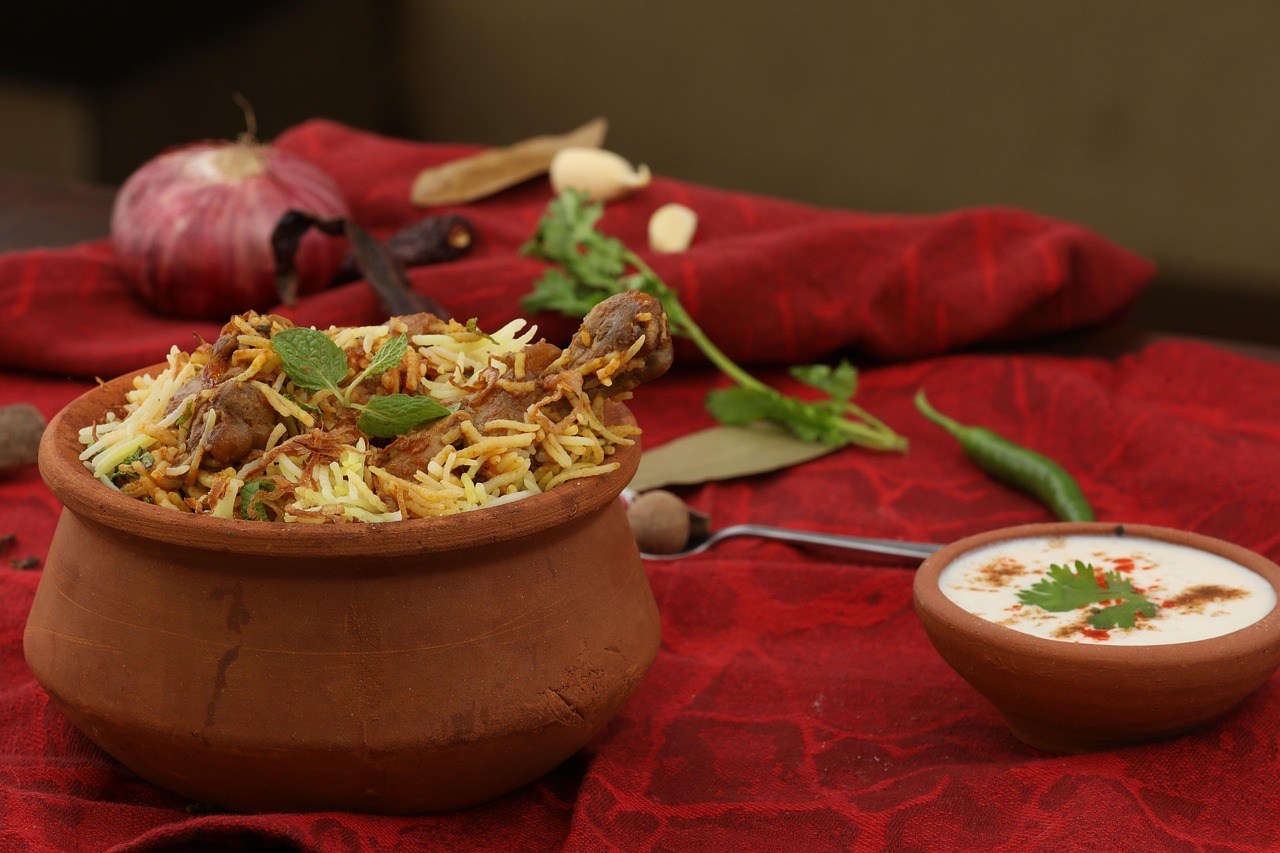
- Raita: Cucumber or onion-tomato raita balances spice.
- Salad: Thinly sliced onions, lemon wedges, and cucumbers.
- Accompaniments: Mirchi ka salan (spicy chili curry) is a traditional pairing in Hyderabad.
- Drinks: Sweet lassi, buttermilk, or lemon soda make refreshing partners.
Storage and Reheating Tips
- Refrigerate leftover biryani in an airtight container for up to 2 days.
- To reheat, sprinkle a few tablespoons of water over biryani and cover before microwaving or steaming.
- Avoid overmixing cold biryani — heat it as-is to preserve texture.
Healthier Alternatives
If you wish to make this dish lighter, consider:
- Using skinless chicken and minimal ghee.
- Replacing part of rice with millets or quinoa.
- Using low-fat yogurt and less oil frying onions in an air fryer.
Frequently Asked Questions (FAQs)
- What is the difference between dum and regular biryani?
Dum biryani involves slow cooking under sealed steam, locking in aroma and moisture. Regular biryani might skip this step, resulting in less depth of flavor. - Can I use boneless chicken?
Yes, though bone-in pieces yield richer flavor as bones release juices during dum. - Which rice is best for biryani?
Aged basmati rice (minimum 1 year old) offers the perfect long, firm grains and distinct aroma. - Can I make this biryani in an oven?
Absolutely! Layer ingredients in an oven-proof dish, cover tightly with foil, and bake at 180°C for 25–30 minutes. - What if I don’t have saffron?
Use turmeric or a few drops of yellow food color in milk for visual appeal, though saffron gives authentic aroma. - Why is my rice mushy?
Overcooking during parboil or adding too much water during dum can make rice soft. Always cook rice up to 70% only before layering. - Can I freeze chicken biryani?
Yes. Cool completely before freezing in portioned airtight boxes. Thaw overnight in the refrigerator and reheat with sprinkled water. - Is biryani spicy?
Spice levels are customizable. Reduce chili powder or use Kashmiri red chili for color without heat. - How do I achieve restaurant-style aroma?
Use whole spices in boiling rice water, basmati rice, saffron, and kewra or rose water sparingly during final layering. - What can I serve with biryani?
Traditionally, mirchi ka salan and cooling raita are ideal side dishes.
Final Note: Mastering Chicken Dum Biryani takes patience and practice, but the rewards are well worth it — a delightful fusion of fragrance, flavor, and festivity. Once you master the layering and dum technique, you’ll be creating restaurant-style biryanis right from your kitchen!



I love that you included saffron and kewra water for extra fragrance—these little touches really make a difference. One tip I’ve learned is to soak the saffron longer to get a richer color in the final dish.