

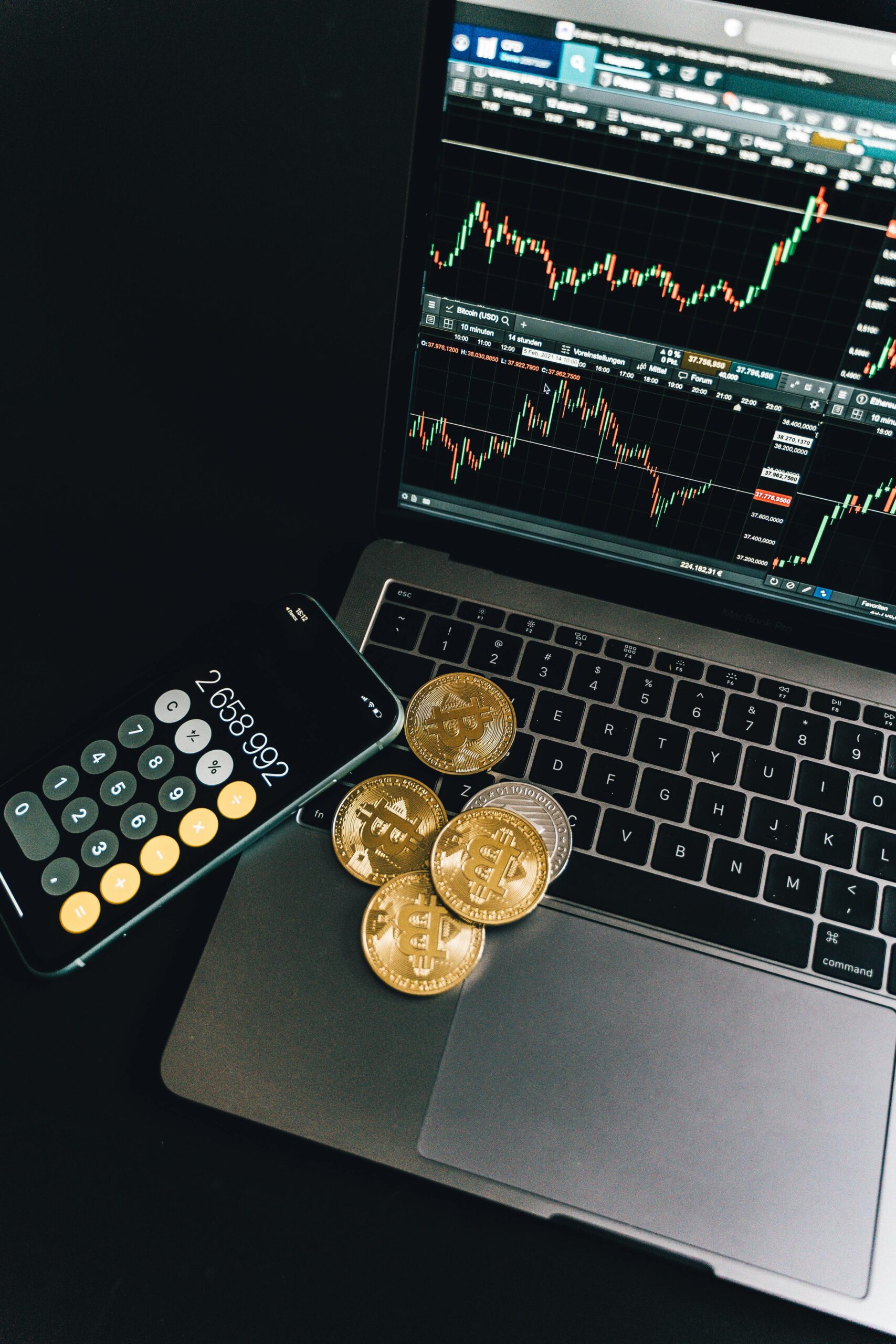
As 2025 approaches, investors across the globe are facing one big question — should they put their money in cryptocurrency or real estate? Both are powerful asset classes, both have created massive wealth, and both come with their own risks. Yet the dynamics of global finance, technology, and inflation in 2025–2026 have made the comparison more relevant than ever before.
Let’s explore which of these two investments could be safer, smarter, and more rewarding for investors in the coming years — and what you need to know before making a decision.
1. The Rise of Cryptocurrency as a Modern Investment
Cryptocurrency has transformed from a niche digital concept into a mainstream global investment vehicle. Bitcoin, Ethereum, and other digital assets have gained huge popularity among retail and institutional investors alike. The growing acceptance of crypto payments, Web3 technologies, and decentralized finance (DeFi) has pushed the crypto market to become a trillion-dollar industry.
In 2025, many governments are expected to introduce or enhance their crypto regulations, aiming to protect investors while promoting innovation. That means more stability — but not necessarily less risk. Cryptocurrency remains volatile, but it offers unmatched liquidity and global accessibility.
2. The Strength of Real Estate as a Traditional Asset
Real estate, on the other hand, has always been a symbol of security. Property ownership provides tangible value — something you can touch, live in, or rent out. Over decades, real estate has weathered market crashes, recessions, and inflation better than most assets.
In 2025 and 2026, experts predict steady growth in property prices in emerging economies like India, Southeast Asia, and parts of Africa, while markets in the U.S. and Europe might stabilize after previous surges. Real estate continues to attract investors seeking long-term stability, consistent cash flow, and portfolio diversification.
3. Comparing Risk Levels: Crypto vs. Real Estate
Risk tolerance is the first factor every investor should consider. Cryptocurrency is inherently high-risk, high-reward. Its price can swing 10–20% in a single day due to market sentiment, government regulation, or even social media trends. Real estate, by contrast, moves slowly. Property values rise and fall gradually, making it more predictable and less nerve-wracking for conservative investors.
However, while crypto prices can crash overnight, real estate can face liquidity issues — you can’t sell a house or a commercial property instantly. So, while crypto is risky due to volatility, real estate carries risk in the form of illiquidity and high entry costs.
4. Potential Returns in 2025–2026
In recent years, cryptocurrencies have generated astronomical returns for early adopters. Bitcoin’s periodic cycles suggest that post-2024 halving, another bull run might occur in 2025, possibly pushing digital assets to new highs. Analysts expect leading coins like Bitcoin and Ethereum to perform strongly, while emerging altcoins may present both high opportunities and high risks.
Real estate, in contrast, provides stable but slower returns — typically 6–10% annually through appreciation and rental income. However, with smart investments in developing urban regions or infrastructure-led areas, the growth potential in real estate can double over the next two years.
5. Liquidity and Accessibility
Cryptocurrency wins in liquidity. You can buy or sell assets instantly, 24/7, without banks or intermediaries. Real estate transactions, however, can take weeks or even months, with added paperwork, taxes, and agent fees.
Accessibility is another advantage for crypto — anyone with a smartphone and internet can invest, starting with as little as a few dollars. Real estate, by comparison, requires significant capital upfront, although new models like Real Estate Investment Trusts (REITs) and tokenized property platforms are making it easier for small investors to participate.
6. Regulation and Government Policies
In 2025, governments are tightening crypto regulations to combat money laundering, fraud, and tax evasion. While this may sound restrictive, it’s actually good for long-term investors because it adds legitimacy and stability to the market.
Real estate, however, has always been heavily regulated and backed by legal protections. Property ownership is secured through titles and deeds, making it one of the most legally safe investments available. But real estate is not immune to government policy — rising property taxes, zoning changes, or interest rate hikes can affect profitability.
7. Inflation Protection
Inflation erodes purchasing power, but both crypto and real estate can serve as hedges against it — in different ways. Bitcoin and other major cryptocurrencies are deflationary by design, with limited supply. Many investors see them as “digital gold.”
Real estate also performs well during inflation, as property values and rental rates tend to rise with consumer prices. However, the cost of borrowing also increases, which can affect buyers relying on loans or mortgages.
8. Security and Ownership
Real estate provides physical ownership — land and buildings that exist in the real world. Cryptocurrency offers digital ownership via blockchain technology, which ensures security through decentralization but comes with new risks like hacking, scams, or lost private keys.
For crypto investors, security depends on responsible wallet management and using trusted exchanges. For real estate investors, safety depends on documentation, legal verification, and reliable tenants or buyers.
9. Entry Barriers and Maintenance
The entry barrier for crypto is almost zero — anyone can start trading instantly. There are no maintenance costs, property taxes, or repairs to worry about. Real estate, however, demands time and effort. Property maintenance, tenant management, and market research are essential for sustainable profits.
That said, real estate can generate passive income, while crypto often relies on price appreciation unless staked or lent through DeFi platforms for yield.
10. Diversification Opportunities
An intelligent portfolio doesn’t rely solely on one asset. Combining both crypto and real estate can balance risk and return. Real estate provides stability, while crypto offers high-growth potential. In fact, tokenized real estate — digital shares of physical properties — is emerging as a hybrid investment model for the next generation of investors.
11. The Global Economic Context for 2025–2026
Experts predict moderate global growth during 2025–2026, with inflation gradually cooling and interest rates stabilizing. These conditions favor real estate investment, especially in developing regions. Meanwhile, cryptocurrencies could benefit from renewed investor confidence as regulations mature and blockchain adoption expands across industries.
However, geopolitical tensions, cybersecurity risks, or major financial crises could impact both sectors differently. Crypto markets may react faster to global uncertainty, while real estate adjusts more slowly.
12. Environmental and Social Factors
Real estate increasingly integrates sustainability through green buildings and eco-friendly designs, aligning with ESG (Environmental, Social, and Governance) goals. Investors seeking ethical and tangible projects often prefer real estate.
Cryptocurrency, once criticized for high energy consumption, is evolving with greener technologies. Ethereum’s switch to proof-of-stake reduced energy use by over 99%, and similar innovations are making crypto more environmentally responsible.
13. Market Volatility and Emotional Discipline
Emotional control is critical in both markets. Crypto investors face extreme volatility, often influenced by news cycles and social media hype. Real estate investors deal with slower cycles, but long-term patience is equally essential. The best investors in either sector are those who research deeply and hold with discipline.
14. Tax Implications
Cryptocurrency transactions are taxable in most countries, often treated as capital gains. This means every trade or profit must be reported, and regulations vary by region. Real estate taxes are typically more structured, with clear laws for ownership, capital gains, and rental income. Proper tax planning is key for both to maximize net returns.
15. Which Investment Is Safer in 2025 and 2026?
When it comes to safety, real estate remains the more stable and predictable investment. It’s backed by physical assets, legal ownership, and consistent demand for housing and land. Cryptocurrency, while highly volatile, offers unmatched growth potential and liquidity for risk-tolerant investors.
In 2025–2026, a balanced approach may be ideal — allocating a portion of your portfolio to real estate for stability and another portion to cryptocurrency for growth. Diversification is the real key to long-term financial security in an unpredictable world.
Final Thoughts
The investment landscape is evolving faster than ever. Cryptocurrencies and real estate represent two worlds — one digital, one tangible — yet both are reshaping how people build wealth. The right choice depends on your financial goals, risk tolerance, and time horizon. In 2025 and 2026, safety doesn’t mean avoiding risk entirely — it means understanding it, managing it, and diversifying intelligently.
Frequently Asked Questions (FAQ)
1. Is cryptocurrency safer than real estate in 2025?
Not yet. While crypto is becoming more regulated, it’s still highly volatile. Real estate provides tangible security and is less affected by daily market swings.
2. Can real estate give higher returns than crypto?
Real estate offers stable, compounding returns through appreciation and rental income. Crypto can yield higher returns but also carries higher risks of loss.
3. Which investment is better for beginners?
For beginners, real estate is safer due to its predictability. Crypto requires market knowledge and emotional discipline to handle volatility.
4. What about combining both investments?
That’s often the best strategy. Use real estate for stability and crypto for growth. Diversification helps you balance risk while maximizing overall returns.
5. Will cryptocurrency replace real estate as a wealth builder?
Unlikely. While crypto offers innovation and speed, real estate remains fundamental to human life and long-term wealth creation. Both will coexist as powerful investment options.