
Daily Meal Plan for Diabetics: A Complete Guide to Healthy Eating
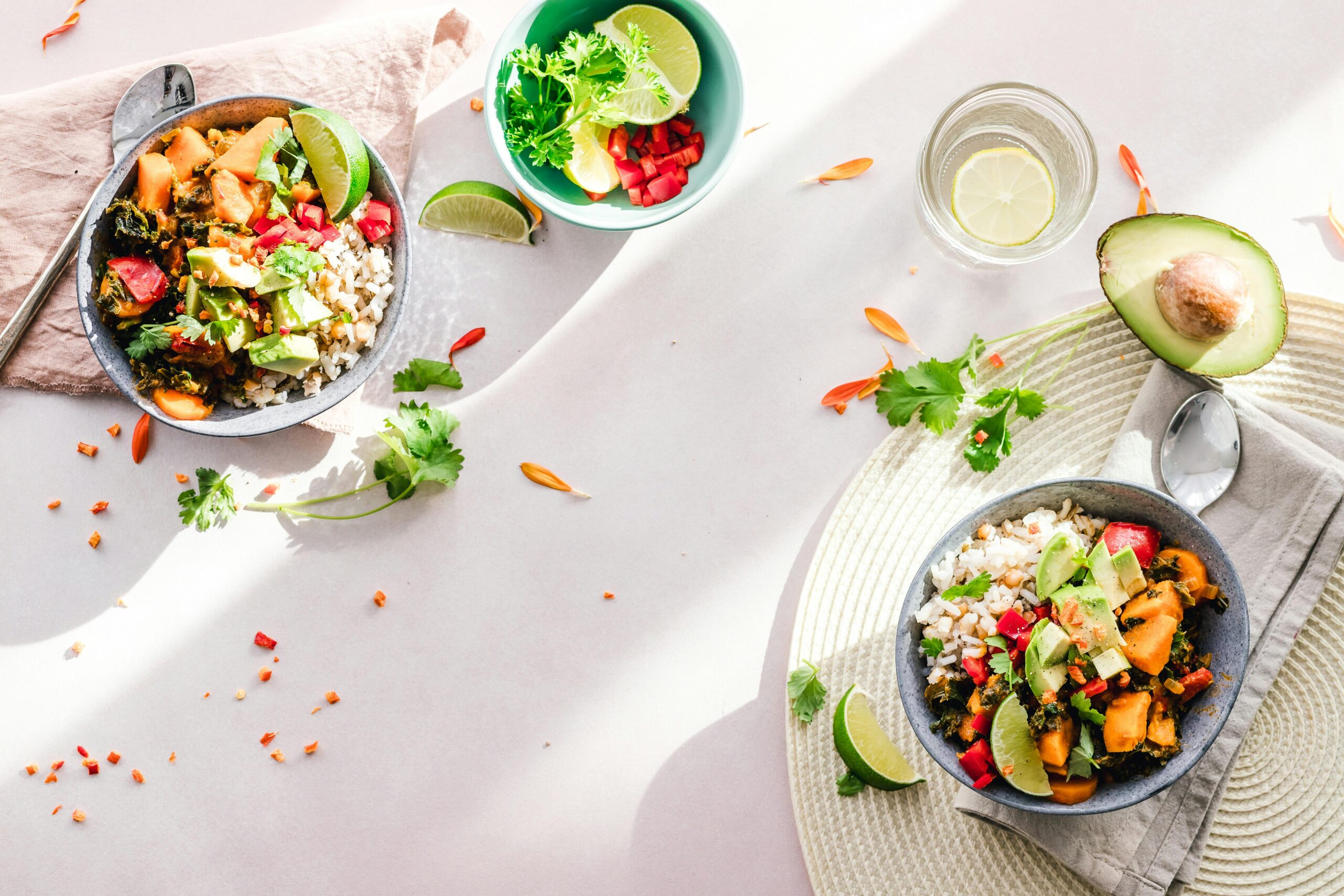
Living with diabetes doesn’t mean you have to give up your favorite foods or live on bland meals. It’s about balance — eating the right foods in the right portions and at the right times. A well-structured daily meal plan for diabetics can help manage blood sugar levels, maintain a healthy weight, and reduce the risk of complications.
In this detailed guide, we’ll explore what a diabetic-friendly meal plan looks like, including breakfast, lunch, dinner, and snacks, along with helpful tips to keep your meals both nutritious and satisfying.
Understanding Diabetes and Diet
Before diving into the meal plan, it’s important to understand why diet plays such a big role in diabetes management.
Diabetes is a condition that affects how your body processes glucose (sugar). When you eat, carbohydrates turn into glucose, which enters your bloodstream. For people with diabetes, the body either doesn’t make enough insulin (as in Type 1) or doesn’t use it properly (as in Type 2). That’s why controlling your carbohydrate intake and focusing on nutrient-dense foods is key.
A well-balanced diabetic diet should:
- Keep blood sugar levels steady throughout the day
- Provide adequate energy for daily activities
- Support heart health and weight management
- Include a variety of fiber-rich and low-GI foods
Key Components of a Diabetic Meal Plan
Here are the essential nutrients and food groups every diabetic-friendly meal plan should include:
1. Complex Carbohydrates
Choose carbs that release energy slowly. These help prevent blood sugar spikes.
- Examples: Oats, quinoa, brown rice, whole-grain bread, sweet potatoes
2. Lean Proteins
Protein helps control hunger and supports muscle health.
- Examples: Chicken breast, fish, eggs, tofu, lentils, Greek yogurt
3. Healthy Fats
Healthy fats can improve cholesterol levels and heart health.
- Examples: Olive oil, avocados, nuts, seeds, flaxseed, salmon
4. Fiber
Fiber slows sugar absorption and aids digestion.
- Examples: Vegetables, fruits with skin, legumes, whole grains
5. Low-Glycemic Fruits
These fruits won’t cause sudden blood sugar spikes.
- Examples: Berries, apples, guava, pears, oranges
6. Non-Starchy Vegetables
These add volume and nutrients without raising sugar levels.
- Examples: Spinach, broccoli, cucumber, tomato, bell peppers
Sample Daily Meal Plan for Diabetics
Let’s look at a practical, balanced meal plan that you can easily follow every day. You can adjust portion sizes depending on your calorie needs, age, and activity level.
Breakfast (7:00 – 8:00 AM)
Start your day with foods that provide energy but don’t cause sugar spikes.
Option 1:
- 1 bowl of oatmeal cooked with low-fat milk
- 1 boiled egg
- 1 small apple or a handful of berries
- Green tea or black coffee (no sugar)
Option 2:
- 2 slices of whole-grain toast with avocado spread
- 1 glass of unsweetened almond milk
- 5 soaked almonds
Option 3:
- Vegetable omelet (with spinach, onion, tomato, and capsicum)
- 1 slice of multigrain bread
- 1 cup of herbal tea
Why it works:
These meals are high in protein and fiber, which keeps you full and helps stabilize your blood sugar levels throughout the morning.
Mid-Morning Snack (10:00 – 11:00 AM)
Keep hunger at bay and prevent overeating at lunch.
Options:
- 1 small bowl of sprouts salad with lemon and salt
- 1 handful of mixed nuts (almonds, walnuts, pistachios)
- 1 guava or pear
Tip: Always pair a small portion of fruit with a protein or fat source to prevent sugar spikes.
Lunch (12:30 – 1:30 PM)
Lunch should include a mix of carbohydrates, proteins, and healthy fats.
Option 1:
- 1 cup of brown rice or 2 rotis made from whole wheat flour
- 1 cup of dal (lentils) or grilled chicken
- 1 bowl of mixed salad (tomato, cucumber, carrot, spinach)
- 1 small cup of curd
Option 2:
- 1 serving of vegetable quinoa or millet pulao
- 1 bowl of paneer curry or fish curry
- 1 portion of sautéed vegetables
Option 3:
- 1 cup of mixed vegetable khichdi made with moong dal and brown rice
- 1 small serving of curd
- 1 bowl of leafy salad
Why it works:
This combination balances fiber and protein, slows digestion, and provides steady energy for the afternoon.
Evening Snack (4:00 – 5:00 PM)
This is the time when most people crave something sweet or crunchy — but there are smart ways to enjoy your snack.
Options:
- 1 cup of roasted chickpeas or chana
- 1 vegetable sandwich made with whole-grain bread
- 1 small bowl of puffed rice with vegetables (bhel-style, but without sugary chutneys)
- Green tea or black coffee (unsweetened)
Tip: Avoid biscuits, fried snacks, and sweetened juices. Instead, choose high-fiber, low-carb options.
Dinner (7:00 – 8:00 PM)
Dinner should be light and low in carbohydrates to avoid raising your blood sugar before bed.
Option 1:
- 1 bowl of vegetable soup
- 1 grilled fish or paneer
- 1 small portion of sautéed or steamed vegetables
Option 2:
- 1 cup of millets (like foxtail millet)
- 1 bowl of dal or mixed vegetable curry
- 1 salad
Option 3:
- 1 bowl of vegetable stir-fry with tofu
- 1 small bowl of brown rice
Why it works:
Light dinners improve digestion and help maintain sugar levels overnight.
Bedtime Snack (Optional – around 9:30 PM)
If your doctor recommends a late-night snack to prevent overnight sugar drops:
Options:
- 1 small glass of warm milk
- 1 handful of nuts or seeds
- 1 slice of whole-grain toast with peanut butter
Tips to Maintain Blood Sugar Naturally
Following a meal plan is important, but lifestyle changes play an equal role in managing diabetes. Here are some powerful daily habits that support better blood sugar control:
1. Practice Portion Control
Even healthy foods can raise blood sugar if you overeat. Use smaller plates and eat slowly to prevent overeating.
2. Avoid Processed and Sugary Foods
Stay away from white bread, sugary beverages, desserts, and packaged snacks. These cause sharp sugar spikes.
3. Stay Hydrated
Drink enough water throughout the day. Dehydration can increase blood sugar levels.
4. Exercise Regularly
Walking, yoga, or light workouts after meals help your body use insulin more effectively.
5. Never Skip Meals
Skipping meals can cause low blood sugar or overeating later. Eat small, frequent meals every 3–4 hours.
6. Get Enough Sleep
Poor sleep can affect insulin sensitivity. Aim for 7–8 hours of quality sleep.
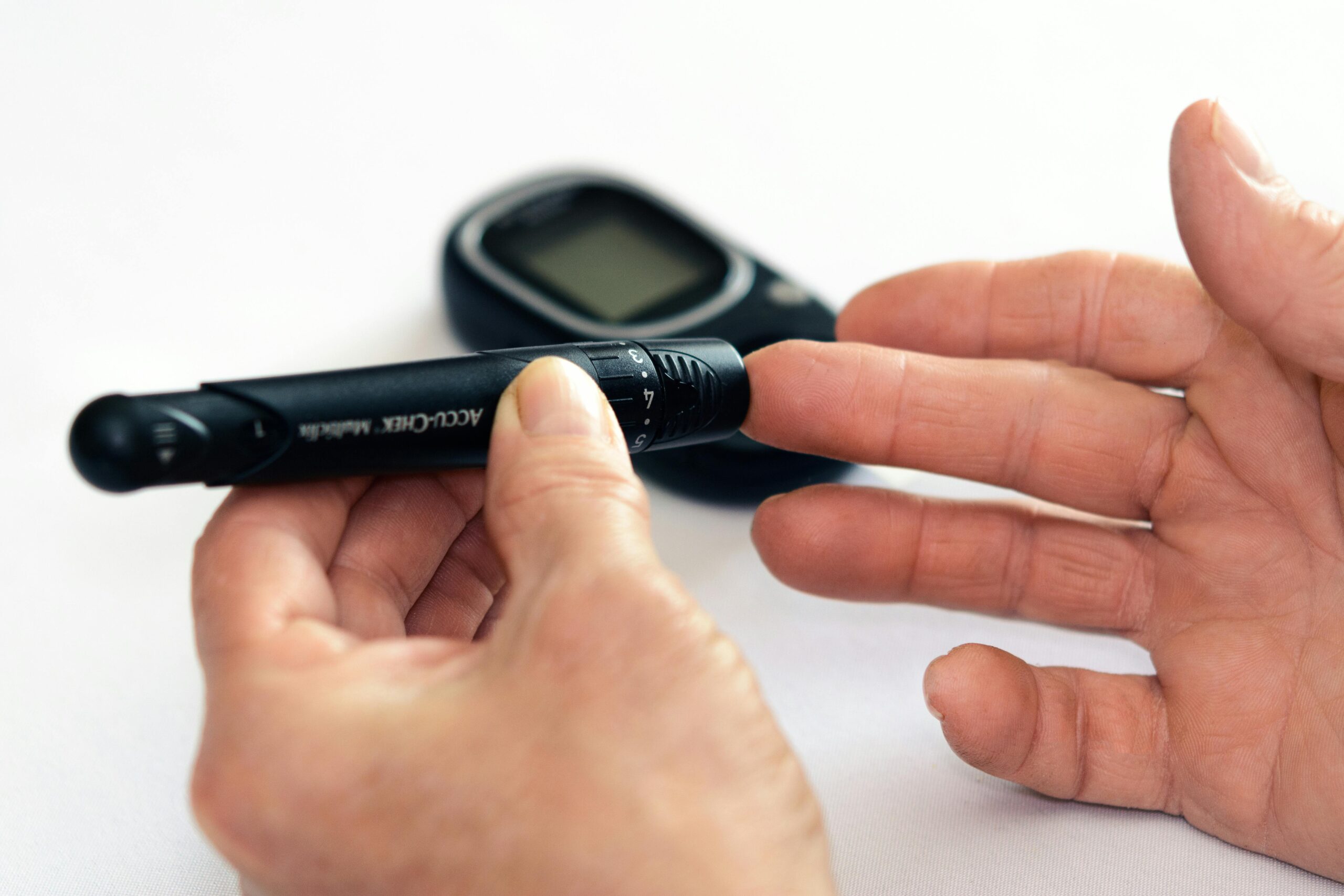
7. Monitor Your Blood Sugar
Keep a regular check on your sugar levels to understand how your body reacts to certain foods.
Foods to Include Regularly
Here’s a quick list of superfoods for diabetics:
- Vegetables: Broccoli, spinach, okra, beans
- Fruits: Berries, apples, papaya, guava
- Grains: Millets, oats, barley, brown rice
- Proteins: Eggs, lentils, fish, tofu
- Healthy Fats: Avocado, flaxseed, olive oil, nuts
Foods to Avoid
Not all healthy-looking foods are suitable for diabetics. Limit or avoid the following:
- White bread, refined rice, pasta
- Fried snacks and sweets
- Sugary drinks, soda, fruit juices
- Processed meats and fast food
- Bakery products like cakes and pastries
Sample 7-Day Diabetic Meal Rotation (Quick Overview)
| Day | Breakfast | Lunch | Dinner |
|---|---|---|---|
| Mon | Oatmeal + Eggs | Brown rice + Dal | Soup + Grilled fish |
| Tue | Vegetable omelet | Quinoa + Paneer | Stir-fry tofu |
| Wed | Whole-grain toast + Avocado | Roti + Veg curry | Khichdi + Salad |
| Thu | Poha with veggies | Millet pulao | Steamed veggies + Lentil soup |
| Fri | Smoothie (berries + oats) | Brown rice + Fish curry | Veg soup + Salad |
| Sat | Upma + Curd | Roti + Chicken curry | Millet bowl + Veggies |
| Sun | Idli + Sambar | Dal rice + Salad | Grilled paneer + Soup |
Final Thoughts
A diabetic meal plan doesn’t have to be restrictive — it’s about making smart choices and creating a balanced relationship with food. Consistency is the real key. Eating at regular intervals, managing portions, and choosing natural, unprocessed foods can help you live a healthier, happier life with diabetes.
With a well-structured daily meal plan, you can not only control your blood sugar levels but also improve your overall energy, mood, and longevity.