
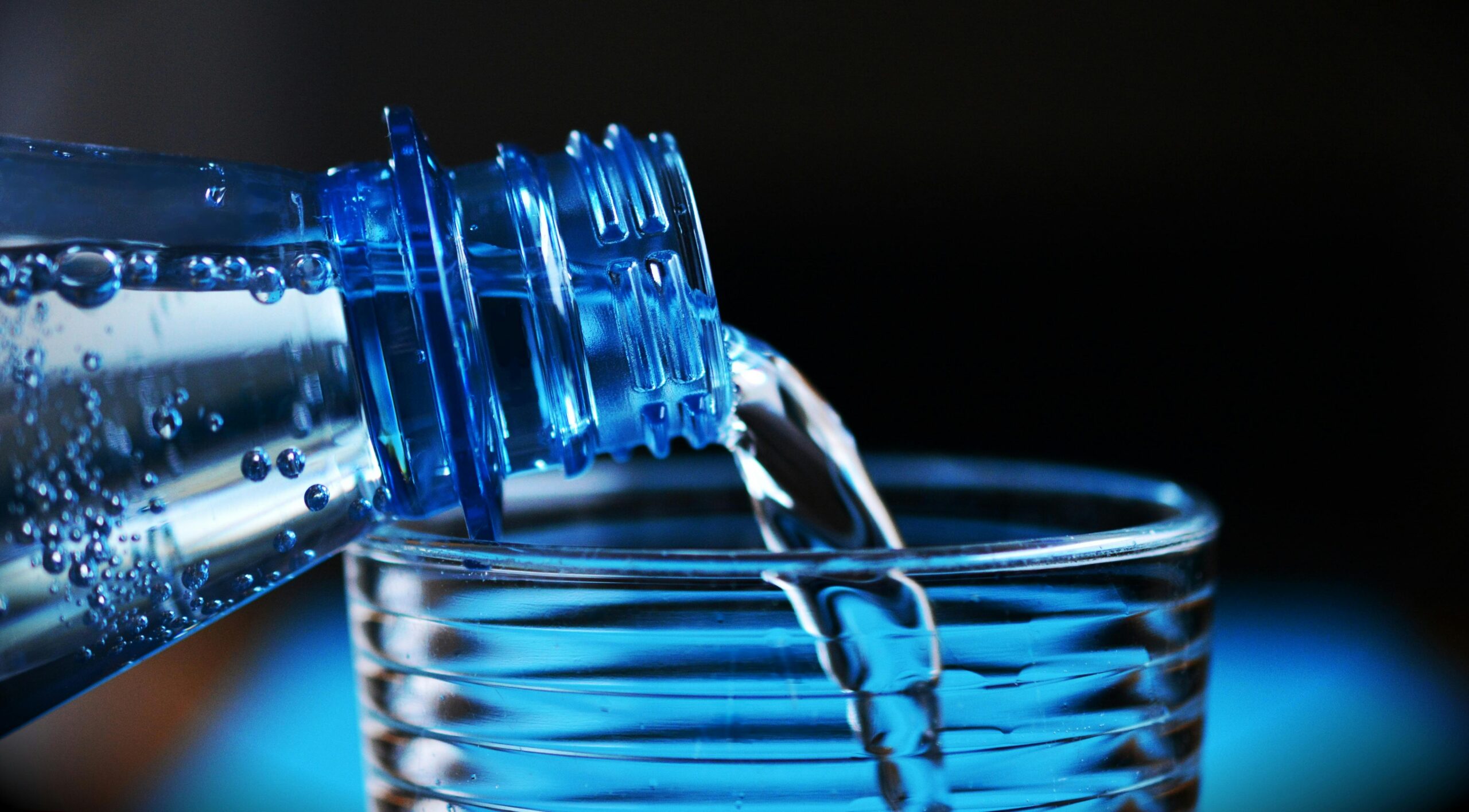
Water might be the simplest and most underrated tool for weight loss. While fad diets and supplements promise quick results, the truth is that something as basic as drinking water before meals can make a big difference in how your body burns fat and manages hunger. It doesn’t cost anything, has zero calories, and works naturally with your metabolism. Let’s explore how this habit helps shed weight, improve digestion, and boost overall wellness — and how you can make it part of your daily routine.
1) Water Creates a Natural “Fullness Signal”
When you drink water before eating, it fills part of your stomach, which sends signals to your brain that you’re starting to get full. This natural mechanism helps reduce your appetite and lowers your total calorie intake without effort.
- Studies show that people who drink about 500 ml (around 2 glasses) of water before meals eat up to 13% fewer calories.
- Water has no calories, so you feel full without adding any energy intake.
2) It Boosts Metabolism Naturally
Water helps your body burn calories more efficiently. When you drink cold or room-temperature water, your body slightly increases energy expenditure to warm it up, which is known as water-induced thermogenesis.
This boost may seem small per glass, but over days and weeks it adds up, especially when combined with regular exercise and balanced meals.
- Drinking 2 liters of water per day can increase your resting metabolism by up to 30% for a few hours.
- Hydrated cells perform better in burning fat and converting food into energy.
3) Water Helps Control Unnecessary Snacking
Many people confuse thirst with hunger. When your body is slightly dehydrated, it can trigger mild hunger-like sensations, leading you to snack when you actually just need fluids.
- Next time you crave something between meals, drink a glass of water first.
- If the hunger fades after 10–15 minutes, it was thirst—not hunger.
4) Supports Digestion and Nutrient Absorption
Water before meals helps prepare your stomach for digestion. It activates digestive enzymes and ensures smoother breakdown and absorption of nutrients.
- Proper hydration prevents constipation and bloating.
- It keeps food moving efficiently through your digestive tract.
5) Helps Eliminate Toxins and Fat Waste
Your kidneys rely on water to remove toxins from the body. When you’re hydrated, your liver can more efficiently metabolize stored fat. In contrast, dehydration forces your body to hold on to water weight and slows fat burning.
- Drinking water before meals promotes better detoxification and metabolism.
- It helps reduce water retention, puffiness, and bloating.
6) Replaces High-Calorie Beverages
Replacing sugary drinks like soda, juice, or sweetened coffee with plain water significantly cuts daily calorie intake. Even one sugary drink per day can add up to 200–300 extra calories.
- Drink water with a slice of lemon, cucumber, or mint for flavor.
- Switch to sparkling water if you crave fizz.
7) Keeps Energy Levels Stable
Dehydration often causes fatigue and sluggishness. Drinking enough water before meals ensures nutrients reach your cells efficiently, helping you feel alert and active throughout the day.
8) Helps Balance Sodium and Reduces Bloating
Consuming processed or salty foods makes your body retain water. Drinking more water helps balance sodium levels and reduce bloating, leading to a slimmer appearance and better digestion.
9) Water Supports Fat Breakdown During Exercise
When you’re hydrated, your muscles and organs work at full capacity during workouts. Water helps transport nutrients and oxygen, allowing your body to burn fat more effectively. It also prevents cramps and fatigue.
- Drink water 20–30 minutes before exercising for better endurance.
- Sip throughout your workout—small, regular sips are best.
10) Builds a Simple, Sustainable Habit
The best thing about drinking water before meals is its simplicity. It doesn’t require tracking calories or following strict diets. Just a few mindful sips before every meal create lasting, healthy habits that naturally support weight management.
- 1 glass (250–300 ml) right after waking up.
- 1 glass 20–30 minutes before breakfast.
- 1 glass before lunch.
- 1 glass before dinner.
- Small sips throughout the day to stay hydrated.
FAQs
1. How much water should I drink per day? Most adults benefit from 2–3 liters daily, depending on body weight, activity level, and climate. You can also get hydration from fruits and vegetables like cucumber, watermelon, and oranges.
2. Can I drink too much water? It’s rare, but drinking excessive amounts (over 5–6 liters quickly) can dilute electrolytes. Listen to your body and drink consistently throughout the day instead of all at once.
3. Does warm or cold water matter? Both work. Cold water slightly increases calorie burn; warm water aids digestion. Choose what feels best for your body.
4. Should I add lemon or honey? Lemon is great—it adds vitamin C and flavor. Avoid honey before meals if you’re aiming for calorie control; save it for tea or snacks instead.
Common Mistakes to Avoid
- Drinking only when thirsty: By the time you feel thirsty, dehydration has already started.
- Skipping morning water: Hydration after sleep is crucial for metabolism and brain function.
- Drinking too much during meals: It can slow digestion—sip instead.
- Choosing sugary drinks: They increase calories and can counteract your progress.
How to Build the Habit
- Set reminders on your phone before meal times.
- Keep a bottle visible at your desk or dining table.
- Use a reusable marked water bottle to track intake.
- Flavor your water naturally with lemon, cucumber, or mint.
Sample Day Hydration Plan
- 7:00 AM – 1 glass of water after waking.
- 8:00 AM – 1 glass before breakfast.
- 12:30 PM – 1 glass before lunch.
- 4:00 PM – Small sips while working or studying.
- 7:30 PM – 1 glass before dinner.
- 9:00 PM – Light sips if thirsty, avoid heavy intake right before bed.