
Effective Strategies to Control High Blood Pressure
High blood pressure, or hypertension, affects millions worldwide and serves as a major risk factor for heart disease, stroke, and kidney failure. Lifestyle changes like diet, exercise, and stress management can effectively control it for many people. Recent guidelines emphasize implementation-focused approaches combining these strategies with monitoring.
Understanding High Blood Pressure
Hypertension happens when blood exerts too much force on artery walls consistently. Causes include high-sodium diets, inactivity, obesity, stress, genetics, and conditions like diabetes. Uncontrolled, it damages vessels and organs; reducing it helps prevent heart attacks and strokes. Normal readings stay below 120/80 mmHg, while stage 1 hypertension typically starts at 130/80.
Many people experience no symptoms, which is why hypertension is often called the “silent killer.” Regular blood pressure checks help detect the condition early. Factors like age, family history, and ethnicity can influence risk.
Adopt a Healthy Diet
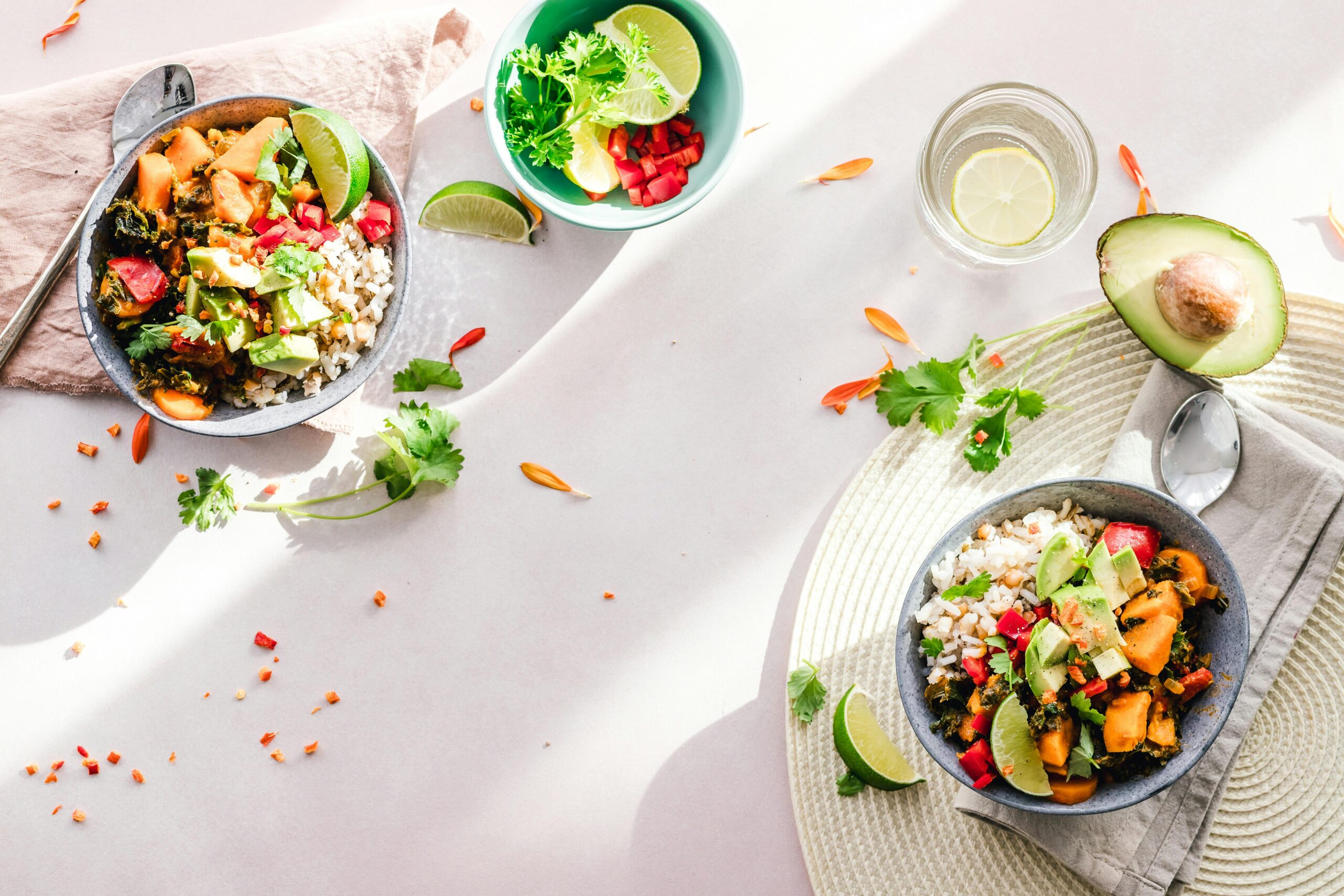
The DASH diet is one of the most effective dietary approaches, often lowering systolic pressure by several points through its emphasis on fruits, vegetables, whole grains, and low-fat dairy while cutting sodium, saturated fat, and added sugars. Limiting sodium to around 1,500–2,300 mg daily can significantly reduce blood pressure. Potassium-rich foods like bananas, oranges, and leafy greens help counteract sodium.
Healthy fats such as omega-3 fatty acids from fish and nuts reduce inflammation and support arterial health. Whole grains supply magnesium and fiber, both linked with improved blood pressure control. Following a DASH-style pattern also supports long-term cardiovascular health.
| Food Group | Examples | Benefits |
|---|---|---|
| Fruits | Bananas, oranges, berries, avocados | Potassium, antioxidants, fiber |
| Vegetables | Spinach, sweet potatoes, carrots, beets | Nitrates, fiber, minerals |
| Whole Grains | Oats, quinoa, brown rice | Magnesium, fiber |
| Lean Proteins | Salmon, poultry, lentils | Supports heart health, provides essential amino acids |
| Healthy Fats | Olive oil, walnuts, flaxseeds | Omega-3s, improved vessel function |
| Herbs/Spices | Garlic, ginger, cinnamon, basil | Potential natural blood pressure-lowering effects |
A typical DASH plan includes several servings of fruits and vegetables daily, multiple servings of whole grains, and modest amounts of low-fat dairy and lean protein. Minimizing processed and packaged foods helps keep sodium intake under control.
Maintain a Healthy Weight
Excess body weight increases the workload on the heart and is strongly linked with hypertension. Losing even 5–10% of body weight can lead to meaningful reductions in blood pressure. Using tools like BMI calculators can help identify a healthy range and track progress.
Gradual, sustainable weight loss through balanced nutrition and regular physical activity is more effective than crash diets. Monitoring waist circumference is also useful, as abdominal fat is particularly associated with cardiovascular risk.
Regular Physical Activity
Regular exercise helps the heart pump more efficiently and reduces stiffness in blood vessels. Aerobic activities such as brisk walking, jogging, swimming, and cycling can lower blood pressure by several mm Hg when done consistently. Strength training adds extra benefits by improving muscle mass and metabolism.
Aim for at least 150 minutes of moderate-intensity aerobic activity per week, such as 30 minutes a day, five days a week. If needed, this can be broken into three 10-minute sessions throughout the day. Including flexibility and balance exercises like yoga or stretching supports overall fitness and stress reduction.
- Week 1: Start with three 10-minute brisk walks daily.
- Week 2: Add two days of light strength training (bodyweight squats, wall push-ups, resistance bands).
- Week 3 and beyond: Progress to 30–45 minutes of moderate activity most days of the week.
Manage Stress
Chronic stress triggers hormones that temporarily raise blood pressure and can lead to long-term habits that harm heart health. Learning stress management skills can produce noticeable decreases in readings. Deep, slow breathing is a simple and effective technique that can be practiced anywhere.
Meditation, mindfulness, yoga, and music therapy help calm the nervous system and improve emotional resilience. Even short daily sessions of 10–15 minutes can make a difference when practiced regularly.
- Practice diaphragmatic breathing: Inhale through the nose for 4 seconds, hold for 4 seconds, exhale through the mouth for 6 seconds.
- Try progressive muscle relaxation by tensing and relaxing each muscle group from feet to head.
- Use guided meditation or relaxation apps to build a consistent routine.
Natural Remedies and Herbs
Several herbs and plant-based supplements have shown potential to support healthy blood pressure. Garlic, due to its allicin content, is one of the most studied and may help relax blood vessels. Cinnamon, ginger, basil, and hibiscus tea are also commonly used in traditional medicine for their possible hypotensive effects.
While these natural options can complement lifestyle changes, they should not replace prescribed medications without medical guidance. Always consult a healthcare professional before starting any supplement, especially if you are already on blood pressure, blood thinner, or diabetes medications, to avoid harmful interactions.
Quit Smoking and Limit Alcohol
Smoking damages the lining of blood vessels, accelerates the buildup of plaque, and significantly raises the risk of heart attack and stroke. Quitting smoking begins to improve circulation and reduce cardiovascular risk almost immediately. Even long-term smokers can see benefits within weeks to months of quitting.
Alcohol can raise blood pressure when consumed in excess. Limiting intake to no more than one drink per day for women and two for men is generally advised. People who do not drink alcohol do not need to start for heart health.
Good Sleep Habits
Sleep quality and duration are closely tied to blood pressure control. Adults are typically advised to aim for 7–9 hours of sleep per night. Poor or fragmented sleep, including conditions like sleep apnea, can contribute to persistent hypertension.
Maintaining a consistent sleep schedule, creating a dark and quiet sleeping environment, and avoiding screens and caffeine close to bedtime can improve sleep. If loud snoring or pauses in breathing occur, evaluation for sleep apnea is important.
Monitor Blood Pressure Regularly
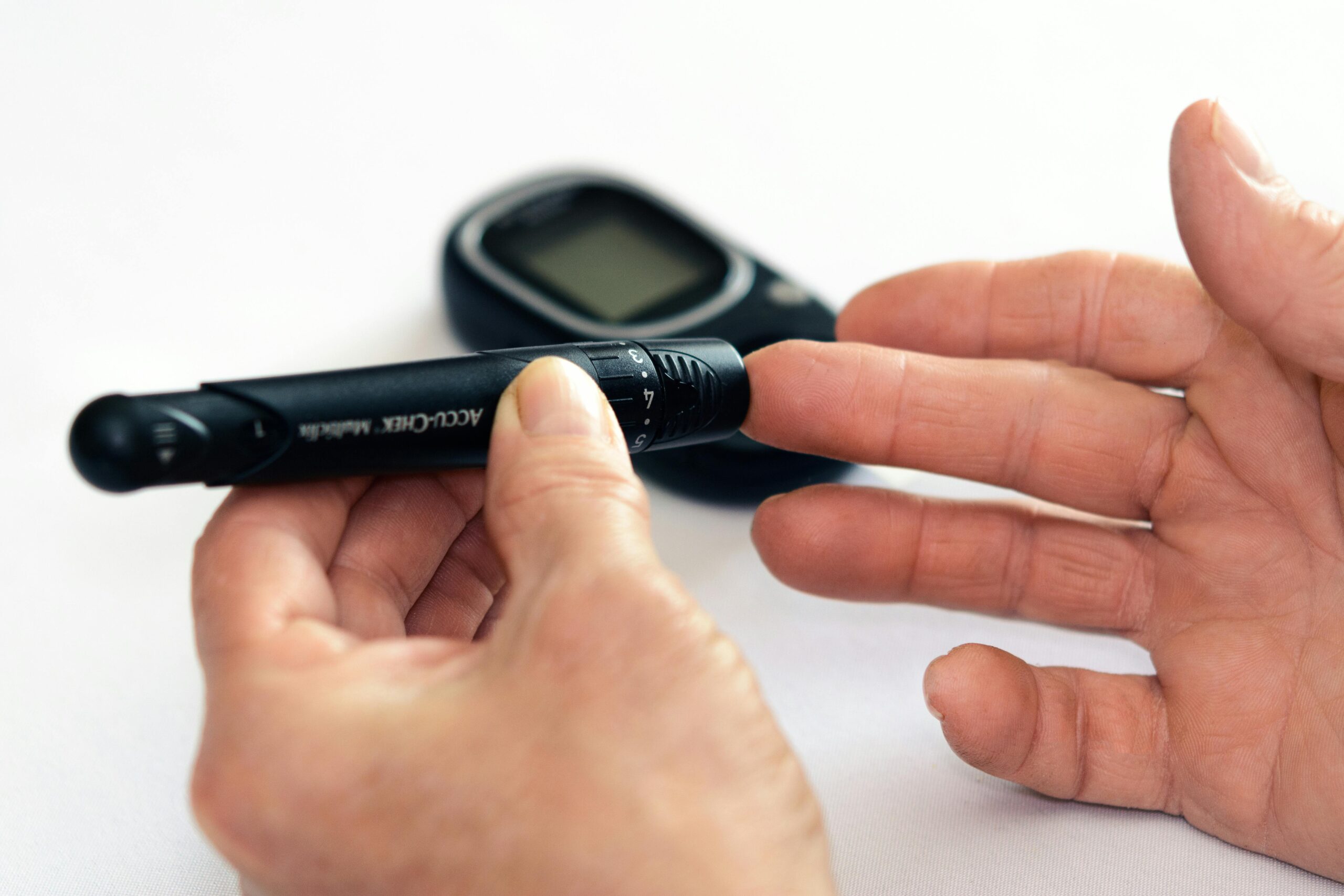
Home blood pressure monitoring allows early detection of problems and helps assess how well lifestyle changes or medications are working. Automatic upper-arm monitors are usually preferred for accuracy. It is useful to measure at the same times each day, such as morning and evening.
Keep a log of readings along with notes about exercise, diet, stress, or medication changes. Sharing this information with your healthcare provider can guide treatment adjustments and personalize your care plan.
Work with Healthcare Professionals
While lifestyle changes are powerful, some people need medications to reach safe blood pressure targets. Working closely with a doctor or heart specialist ensures that treatment is tailored to your overall health, other conditions, and risk factors. Regular follow-ups help track progress and catch any side effects early.
Do not stop or change prescribed medications on your own, even if readings improve. Instead, discuss any concerns, side effects, or goals with your healthcare team so they can make safe adjustments.
Long-Term Maintenance
Controlling high blood pressure is an ongoing process rather than a one-time fix. Setting realistic, achievable goals keeps motivation high. For example, one week might focus on reducing salt, and the next on adding a daily walk.
Tracking progress, celebrating small wins, and staying informed about heart health can help maintain long-term success. Support from family, friends, or community groups also strengthens commitment to a healthy lifestyle.
Frequently Asked Questions (FAQs)
How long do lifestyle changes take to lower blood pressure?
Some improvements may appear within a few weeks, especially with reduced salt intake, better diet, and regular exercise. More substantial and stable changes often take several months of consistent effort.
Can I control hypertension without medication?
Mild hypertension can sometimes be controlled with lifestyle changes alone, but many people, especially with higher readings or other conditions, still need medication. Always make this decision together with your doctor.
What is the best diet for hypertension?
The DASH diet and similar heart-healthy patterns that emphasize fruits, vegetables, whole grains, lean proteins, and low sodium are considered among the best for controlling blood pressure.
Does stress directly cause high blood pressure?
Stress can temporarily raise blood pressure and can lead to habits like overeating, smoking, or drinking, which worsen hypertension. Managing stress helps both directly and indirectly.
Are natural remedies safe with medications?
Some herbs and supplements can interact with blood pressure and heart medications. Always check with a healthcare professional before combining them to avoid side effects or reduced effectiveness.
How often should I monitor blood pressure at home?
Many people benefit from checking once or twice a day when first diagnosed or when changing treatment. Once stable, your doctor may suggest checking a few times per week instead.
What exercise is safest for hypertension?
Moderate-intensity aerobic activities like brisk walking are generally safe and effective for most people with high blood pressure. Start slowly and increase intensity gradually, especially if you are new to exercise.
Does caffeine raise blood pressure?
Caffeine can cause a short-term rise in blood pressure in some individuals. If you are sensitive or already have hypertension, limiting coffee, tea, and energy drinks may help.