

Introduction
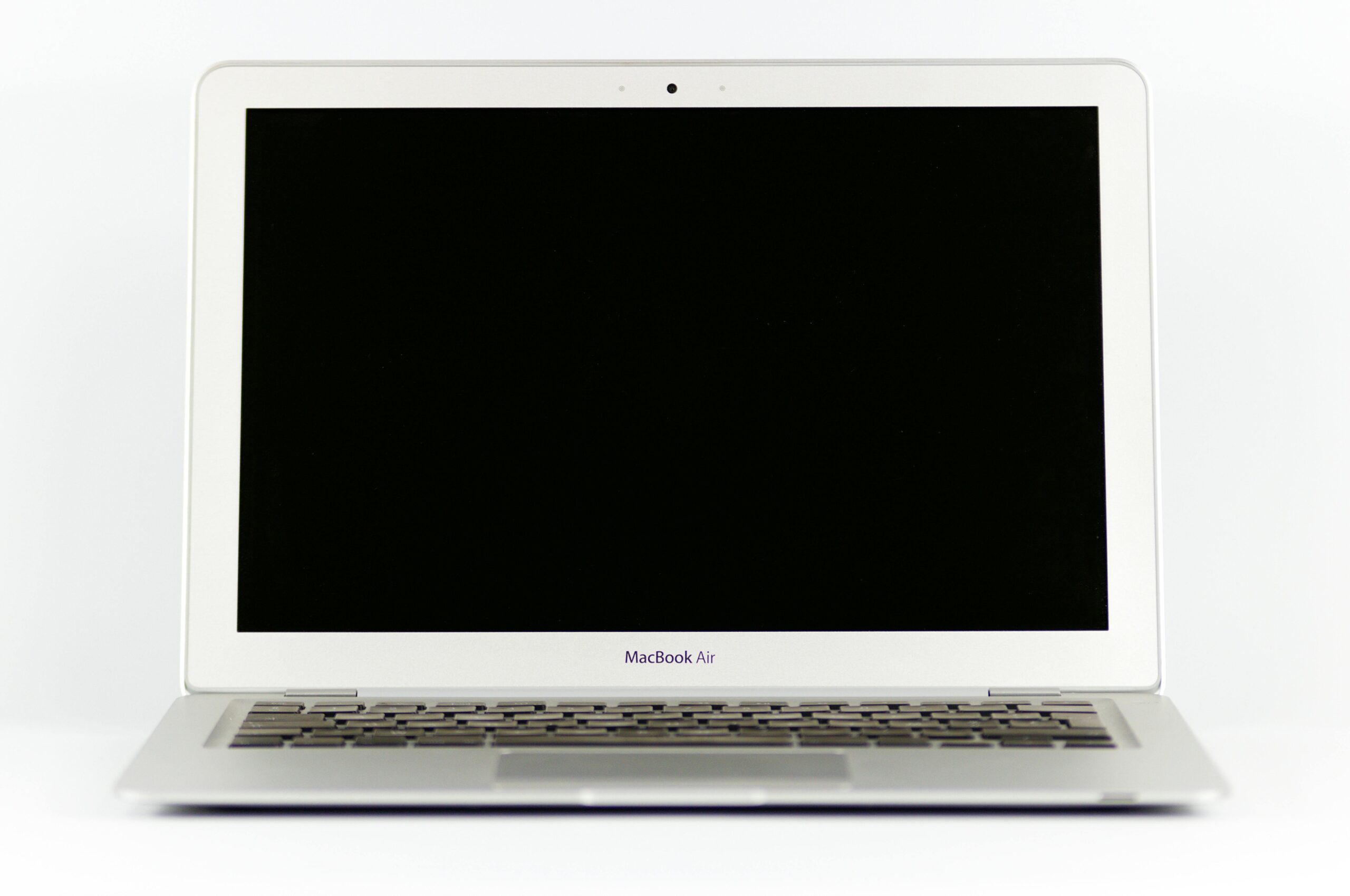
Apple has once again pushed the boundaries of innovation with its newest flagship laptop — the 2025 MacBook Pro powered by the M5 chip. Announced in October 2025, this machine marks a major leap in performance, especially for artificial intelligence (AI)-driven tasks. Packed with smarter processing power, faster storage, and record-breaking battery life, the new 14-inch MacBook Pro redefines what it means to be a Pro laptop in the AI era.
Design and Display
Apple continues its elegant design tradition with the same sleek aluminum body, available in Space Black and Silver finishes. The minimalist design conceals extraordinary power beneath the hood. The laptop retains its 14-inch Liquid Retina XDR display, offering up to 1600 nits of peak HDR brightness and exceptional color accuracy. The nano-texture coating option reduces glare, making it ideal for creative professionals.
For audio and video quality, it includes a 12MP Center Stage camera with exceptional clarity, coupled with a six-speaker Spatial Audio system, offering studio-like sound that enhances video calls, movies, and music playback experiences.
The Powerhouse: Apple M5 Chip
The new Apple M5 chip is the biggest upgrade of this generation. It features a 10-core CPU with 4 performance and 6 efficiency cores, paired with a 10-core GPU and a 16-core Neural Engine. Apple claims it offers 3.5x faster AI performance and 1.6x faster graphics processing than the previous M4 chip.
The M5 chip is built with hardware-accelerated ray tracing and powerful Neural Accelerators in every GPU core. This makes it ideal for AI video enhancement, text-to-image generation, machine learning tasks, and on-device large language models (LLMs) like those used in creative and research apps.
The Next Leap in AI Performance
Apple has positioned the M5 MacBook Pro as a game-changer for AI workflows. Thanks to the new 16-core Neural Engine, local AI processing is significantly faster and smarter. Tasks like real-time video editing, automated graphic design, natural language processing, and generative AI tasks now operate seamlessly — no cloud dependency required.
Apple Intelligence, its new privacy-focused AI suite, integrates directly into macOS Tahoe, the latest version of macOS. It enables faster app launches, intelligent file organization, smarter search functions, and even on-device generative text capabilities.
Performance and Speed
The M5 MacBook Pro sets new benchmarks for both everyday and professional users. Compared to older Intel-based models, it delivers up to 86x faster AI performance, while remaining dramatically more energy efficient.
Its unified memory bandwidth of 153GB/s ensures that even large applications and background tasks run without lag. For graphics-heavy or AI-intensive workloads, the M5 chip enables up to 4TB of super-fast SSD storage — with read/write speeds nearly double that of previous models. Whether users are editing 8K videos, running simulations, or training AI models, the machine handles it effortlessly.
Battery Life That Lasts All Day
Battery endurance has always been a hallmark of the MacBook Pro line, and Apple raises the bar further with up to 24 hours of battery life. This makes it the longest-lasting MacBook Pro ever built, maintaining consistent performance whether plugged in or on battery power.
Such longevity is particularly beneficial for digital creators, students, and professionals on the go, minimizing the need for frequent charging and making it reliable for long work sessions or travel days.
macOS Tahoe: Smarter, More Intuitive
The new MacBook Pro runs macOS Tahoe, a system fine-tuned for AI-accelerated performance. It includes features powered by Apple Intelligence, such as summarizing notes, assisting in presentations, editing images using natural commands, and even interacting with system-level data intelligently — all processed securely on device.
The synergy between macOS Tahoe and the M5 chip results in smoother multitasking and a noticeably faster, more responsive experience for users transitioning from older Mac models.
Connectivity and Ports
Apple retains a generous port selection that suits professionals who rely on multiple devices. The new MacBook Pro offers:
- Three Thunderbolt 4/USB-C ports
- HDMI port for external monitors or TVs
- MagSafe 3 charging connector
- SDXC card slot for photographers
- 3.5mm headphone jack with high-impedance support
This wide range of ports eliminates the need for additional dongles, reinforcing Apple’s focus on professional-grade usability.
Storage and Memory Options
The base model starts with 512GB SSD storage and 16GB unified memory, configurable up to 4TB storage and 64GB unified memory depending on the user’s workflow. These upgrades cater to video editors, 3D artists, and software developers who require higher performance for intensive creative projects.
Thanks to Apple’s unified memory architecture, data flows rapidly between the CPU, GPU, and Neural Engine — optimizing multitasking and app responsiveness across the system.
Pricing and Availability
The 14-inch MacBook Pro (M5) starts at ₹1,69,900 in India, with special pricing of ₹1,59,900 for education customers. It is available for pre-order on Apple’s official store, with deliveries and retail availability beginning October 22, 2025. The laptop will also be available through Apple Authorised Resellers across India and other global markets.
The consistent pricing compared to the previous M4 model makes it an excellent value, especially considering the monumental performance improvements.
User Experience and Real-World Application
The new MacBook Pro is engineered for diverse users — from students and office professionals to AI researchers and content creators. Here are some real-world scenarios where the M5 truly shines:
- Video editors can export large 8K projects twice as fast as before.
- AI developers can run local machine learning models directly on-device without external servers.
- Designers benefit from AI-assisted photo rendering and automatic content generation tools.
- Business professionals experience faster analytics and productivity tools integrated within macOS Tahoe.
The integration of hardware and software ensures stability, thermal efficiency, and powerful multitasking even under heavy workloads.
Energy Efficiency and Sustainability
Apple’s environmental responsibility is reflected in the M5 MacBook Pro’s energy-efficient design. The chip’s adaptive performance cores dramatically reduce power consumption while maintaining speed. The laptop’s body is made from 100% recycled aluminum, aligning with Apple’s goals toward carbon neutrality.
The M5 chip not only boosts AI speed but does so without compromising energy efficiency, balancing power and sustainability.
Why Upgrade to the M5 MacBook Pro?
For anyone using an Intel-based or early M1 MacBook, the jump to the M5 is transformative. Key reasons to upgrade include:
- Massive leap in AI and GPU performance (3.5x faster AI tasks)
- 24-hour battery life for all-day productivity
- macOS Tahoe integration with Apple Intelligence
- 2x faster SSD and unified memory bandwidth
- Eco-friendly, future-ready technology built for AI workloads.
This laptop is built for the future of creative computing, embodying the power needed for next-gen apps and tools that increasingly rely on artificial intelligence.
Final Thoughts
The MacBook Pro 2025 with M5 chip represents a new era in Apple’s computing journey. By fusing cutting-edge performance, exceptional battery life, and advanced AI capabilities, Apple has created a machine that caters perfectly to tomorrow’s digital professionals.
Whether you are a creative artist, an engineer, a student, or a business professional, the new M5 MacBook Pro is more than just a powerful laptop—it’s a tool built for the future of AI-driven productivity. Starting at ₹1,69,900, it may not be cheap, but the performance, efficiency, and AI-focused enhancements make it arguably Apple’s best MacBook Pro yet




The new MacBook Pro’s leap in AI processing and battery life makes it sound like a game-changer for productivity. Wonder how it will handle more complex AI tasks like machine learning models?
Pingback: Snapdragon vs MediaTek Processors: Which Is Better for Daily Use?