

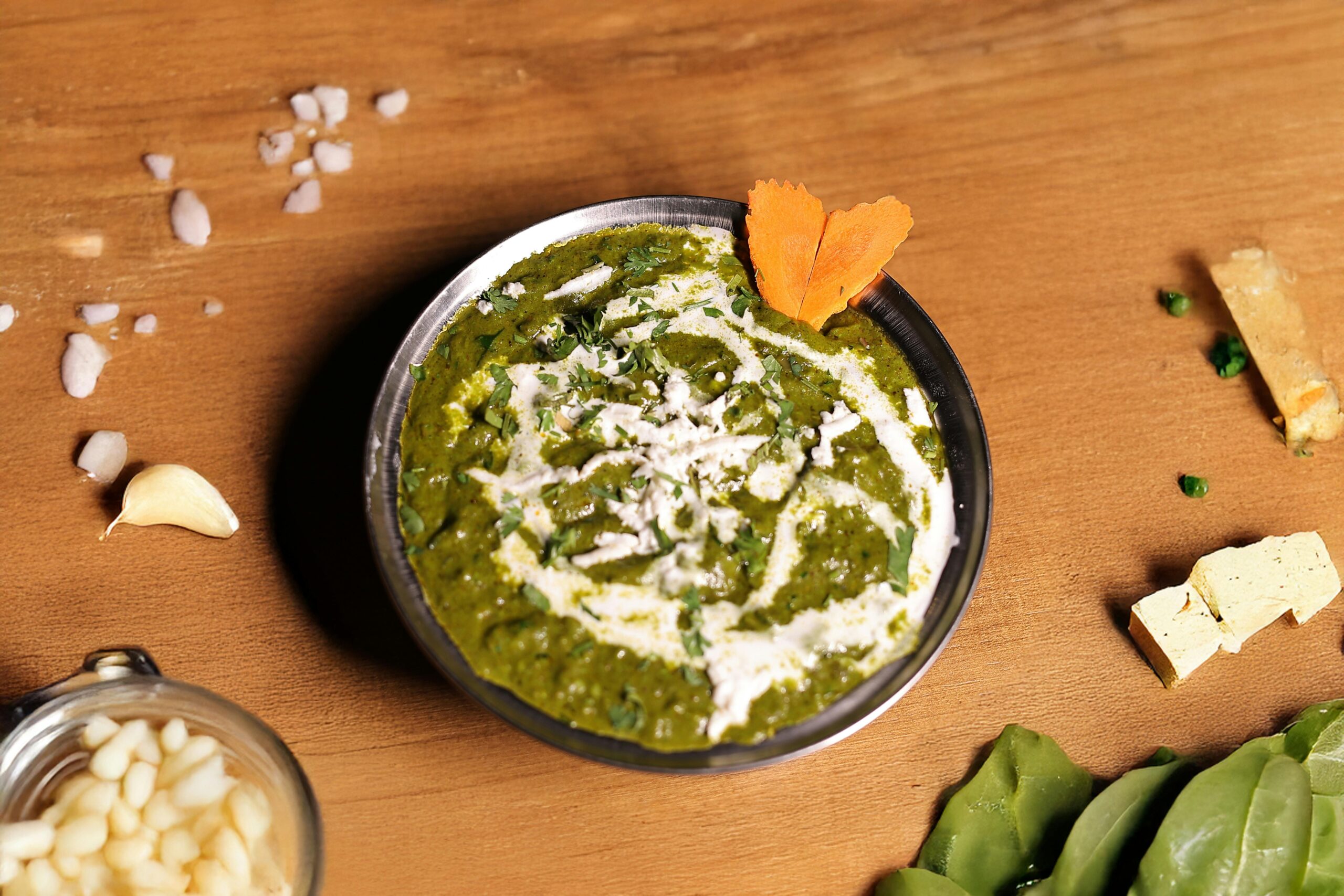
Palak Paneer: Restaurant-Style Homemade Recipe
Introduction to Palak Paneer
Palak paneer captures the heart of North Indian cuisine and combines two ingredients—fresh spinach and soft paneer—in a harmonious, flavorful curry. Its luscious emerald-green gravy and savory paneer, delicately spiced, appeal not only to Indian palates but to food lovers worldwide, making it a popular choice in restaurants and homes alike. This recipe provides a detailed guide, including ingredient preparation, cooking techniques, professional tips, and serving ideas.
In many North Indian restaurants, palak paneer is considered a comfort classic that balances indulgence with nutrition, making it ideal for both everyday meals and festive menus. The dish showcases how simple pantry spices, when paired with fresh greens and dairy, can transform into a silky, restaurant-style curry that is easy to recreate at home. With the right technique, you can achieve a vibrant color, a smooth gravy, and paneer cubes that remain soft and succulent from the first bite to the last.
Ingredients for Palak Paneer
Spinach (Palak) Preparation
- Fresh spinach (palak): 500 grams (about 2 medium bunches or 6 cups loosely packed leaves)
- Water: for blanching spinach
Paneer and Gravy
- Paneer (Indian cottage cheese): 250 grams, cut into 1-inch cubes
- Oil: 3 tablespoons (neutral oil like sunflower or canola)
- Butter (optional): 1 teaspoon, for richer flavor
- Cumin seeds: 1 teaspoon
- Green chilies: 2 to 3, slit lengthwise
- Ginger: 1-inch piece, chopped
- Garlic: 2 to 3 cloves, chopped
- Onion: 1 large, finely chopped
- Tomato: 2 medium, finely chopped
- Turmeric powder: ½ teaspoon
- Red chili powder: ½ teaspoon (adjust for heat)
- Coriander powder: 1 teaspoon
- Cumin powder: 1 teaspoon
- Garam masala: ½ teaspoon
- Kasuri methi (dried fenugreek leaves): 1 teaspoon, crushed
- Salt: to taste
- Fresh cream: 2 tablespoons, plus more for garnish
- Lemon juice: 1 teaspoon (optional, for a hint of tang)
- Cilantro (coriander leaves): chopped, for garnish
Optional Flavor Enhancers
- Bay leaf: 1
- Whole dried red chili: 1
- Cardamom: 2 pods
- Cinnamon stick: 1 inch
- Cashew nuts: 8–10, for creamy texture (optional)
Preparation Steps
1. Spinach Cleaning and Blanching
Cleaning: Rinse spinach leaves under cold running water. Repeat until all grit and dirt are removed. This ensures no sand or residue in your finished dish.
Blanching: Bring a large pot of water to a rolling boil. Add spinach and cook for 2–3 minutes until leaves wilt but remain bright green. Immediately transfer wilted leaves to a bowl filled with ice-cold water—this shocks the spinach, locks in the green color, and halts cooking. After 2 minutes, drain and squeeze lightly to remove excess water.
For best results, use a wide pot so the spinach cooks evenly and does not clump together. If using baby spinach, you may reduce blanching time slightly, as tender leaves soften faster and retain color more easily. Discard any thick stems or yellowed leaves, because they can add fibrous texture and a slight bitterness to the gravy.
2. Making Spinach Purée
Place blanched, cooled spinach leaves in a blender. Add chopped ginger, garlic, and green chilies. For added richness, throw in 8–10 cashew nuts if desired. Blend to a smooth, thick purée. Avoid adding excess water; aim for a velvety green consistency.
If your blender struggles to move the spinach, sprinkle just a tablespoon or two of water or milk to help it along, but keep the purée as thick as possible for a restaurant-style finish. You can also blend part of the spinach to a smooth paste and leave a small portion slightly coarse to add a rustic texture to the final dish. For an extra glossy look, drizzle a teaspoon of oil while blending, which helps emulsify and gives the purée a subtle shine.
3. Paneer Prep
Dice paneer block into 1-inch cubes. Optionally, soak paneer cubes in warm water for 10 minutes, especially if store-bought—they’ll turn softer and fresher.
For a dhaba-style touch, lightly pan-fry the paneer cubes in a teaspoon of oil or ghee until the edges turn golden, then immediately transfer them into warm water for a few minutes. This method creates a slightly crisp outer layer while keeping the inside soft, and the cubes absorb the palak gravy better when added later. Always drain the paneer well before adding to avoid thinning the curry.
Cooking Palak Paneer
1. Prepare the Tempering
Heat oil in a thick-bottomed pan (or a mix of oil and butter for deeper flavor). Add cumin seeds, let them sizzle. Toss in bay leaf, cinnamon, and cardamom if using; sauté until aromatic.
Add chopped onions and sauté on medium flame until golden brown. Stir in ginger and garlic, fry till raw aroma disappears. Mix in green chilies for heat.
Maintain a medium flame so the onions brown evenly without burning, as undercooked onions can taste sharp and overcooked ones can make the gravy taste bitter. The whole spices in the tempering infuse the oil with warmth and aroma, which later carries through the entire dish even after the spinach is added. If you prefer a smoother gravy, you can finely mince the onions or even blend them after light cooking and then return them to the pan.
2. Making the Masala Base
Add chopped tomatoes. Sprinkle turmeric, red chili powder, coriander powder, and cumin powder. Cook until tomatoes soften, mash with the spatula for a uniform paste, and oil begins to separate at the edges.
Cooking the tomatoes properly is crucial because raw tomatoes can impart a sour aftertaste and prevent the spices from melding into a balanced masala. As the oil begins to release from the sides, it signals that the spices are roasted and the masala is ready to accept the spinach purée. If the mixture seems too dry at this stage, add a tablespoon of water to prevent scorching and to help the spices cook evenly.
3. Cook Spinach Purée
Pour the spinach purée into the pan. Stir until well-combined with the masala base. Add kasuri methi and salt. Cook uncovered for 5–8 minutes, stirring occasionally, until spinach loses its raw aroma but retains its green color. Avoid overcooking—excess boiling turns the gravy dull.
While simmering, use a gentle flame and stir from the bottom so the purée does not stick, especially if using a thick or iron kadai. Crushing kasuri methi between your palms before adding releases its oils and boosts the classic restaurant-style aroma. At this point, taste the gravy and adjust salt and heat because the paneer itself will be mild and will not contribute much seasoning.
4. Add Paneer and Cream
Gently stir in the paneer cubes. Pour in fresh cream, mixing it through to create a creamy texture and mellow flavors. Sprinkle garam masala; simmer gently for 2–3 minutes only—paneer cubes shouldn’t harden or cook too long. Squeeze in lemon juice if desired for a slight tang.
Keep the flame low after adding paneer so the cubes absorb flavor without becoming rubbery or breaking apart in the gravy. Adding cream towards the end not only enriches the taste but also stabilizes the color slightly, preventing the spinach from turning too dark upon standing. If you prefer a lighter version, you can substitute part of the cream with milk or skip the cream and finish with just a drizzle for garnish.
5. Garnish and Serve
Take off the heat. Garnish with extra cream and chopped coriander. Serve hot with jeera rice, roti, naan, or paratha.
For restaurant-style plating, spoon the palak paneer into a shallow bowl, swirl a teaspoon of cream in a spiral, and top with 3–4 golden-fried paneer cubes. A sprinkle of kasuri methi or a few ginger juliennes on top adds visual appeal and a burst of aroma when the dish is brought to the table. Always serve palak paneer immediately after finishing for the best color and texture, as reheating several times can dull the flavor.
Tips for the Perfect Palak Paneer
- Spinach Selection: Always choose fresh, tender spinach—mature leaves can taste bitter and spoil the dish’s flavor.
- Paneer Quality: Use homemade paneer for best softness and flavor. If using store-bought, soaking cubes in warm water for 10 minutes improves texture.
- Balance of Spices: Green chilies provide heat, while kasuri methi and garam masala add aromatic notes. Adjust spice levels for personal taste.
- Avoid Overcooking: Overcooked spinach turns mushy and dull in color. Always cook uncovered, and blanch only briefly.
- Creaminess: Optional cashew nuts in blending stage and added cream enhance the gravy’s richness—skip for a lower-calorie version.
- Serving Suggestions: Palak paneer pairs beautifully with Indian breads and rice dishes; add a wedge of lemon for extra freshness.
- Texture Control: For a very smooth, restaurant-like gravy, strain the spinach purée once after blending before adding it to the pan.
- Smoky Twist: For a dhungar effect, briefly smoke the finished curry with a piece of hot charcoal and ghee placed in a small bowl inside the pan, then covered for a few minutes.
Nutrition and Benefits
Palak Paneer is nutrient-rich, with spinach providing iron, calcium, and vitamins (A, C, and K), while paneer delivers protein and healthy fats necessary for muscle repair and immune health. The spices add flavor and digestion-boosting benefits.
A typical homemade serving of palak paneer prepared with moderate oil and cream averages around 200–250 calories, making it suitable for balanced lunches and dinners when paired with roti or rice in controlled portions.[web:6][web:26] Spinach contributes notable amounts of fiber, folate, and magnesium, supporting heart health and energy metabolism, while paneer adds high-quality protein and calcium for bone strength.[web:26][web:6] Compared with many heavy gravies, palak paneer offers a better balance of macronutrients, especially when cream quantity is reduced and extra oil is avoided.[web:6]
| Nutrient | Amount per Serving | Typical Benefits |
|---|---|---|
| Calories | 250 kcal | Moderate, good for balanced meals |
| Protein | 14 g | Muscle and tissue repair |
| Fat | 17 g | Satiety, energy, fat-soluble vitamin absorption |
| Carbohydrate | 15 g | Source of energy |
Variations
- Vegan Palak Paneer: Replace paneer with tofu and cream with coconut cream.
- No Onion, No Garlic Palak Paneer: Omit onion and garlic for a “satvik” version, substitute with ginger and additional tomatoes.
- Nut-Free: Skip cashew nuts and cream for allergy-friendly versions, blend spinach alone for natural smoothness.
- Low-Fat Version: Use minimal oil, skip cream, and add a spoon of low-fat yogurt off the heat to keep the gravy light yet tangy.
- Spicy Dhaba Style: Increase green chilies, use a bit more garlic, and finish with a tarka of ghee, red chili powder, and sliced garlic poured on top.
Troubleshooting & FAQs
- Paneer Turns Rubbery: Avoid over-cooking paneer. Add cubes only towards the end and simmer lightly.
- Gravy Loses Green Color: Blanch spinach only briefly; shock in ice water and cook gravy uncovered.
- Too Spicy: Reduce green chilies; omit red chili powder for milder gravy.
- Gravy Too Thick: Add a small amount of hot water or milk, simmer, and adjust salt again before serving.
- Gravy Too Thin: Simmer on low flame to reduce, or blend a few extra cashews with a spoon of hot gravy and stir back in.
Serving Suggestions
Palak paneer is best enjoyed hot, accompanied by Indian breads like butter naan, tandoori roti, or jeera rice. To transform into a festive dish, garnish with extra cream, fried paneer cubes, or a drizzle of lemon juice and coriander leaves.
For a complete North Indian meal, serve it with jeera rice, salad of sliced onions and cucumbers, papad, and a bowl of boondi or cucumber raita.[web:22][web:24][web:4] It also pairs beautifully with tandoori roti, lachha paratha, or soft phulkas, making it suitable for both homely dinners and party spreads.[web:24][web:17][web:30] On special occasions, place palak paneer alongside rich mains like dal makhani, vegetable pulao, and a simple dessert such as kheer to create a well-rounded thali.[web:4][web:17]
Storage and Reheating
Store leftover palak paneer in an airtight container in the refrigerator for up to 2 days. For reheating, gently simmer in a pan, adding a splash of water or cream to loosen the gravy. Avoid microwaving paneer for long durations, as it may turn chewy.
If you plan to store, you can keep the spinach gravy and paneer separate, combining them only while reheating to maintain the paneer’s soft texture. Always cool the curry completely before refrigerating to prevent condensation from watering down the gravy. Do not refreeze palak paneer repeatedly, as this can affect both flavor and color as well as overall food safety.
Conclusion
Palak paneer delivers a powerful punch of flavor, nutrition, and comfort. This step-by-step recipe guarantees restaurant-quality results at home, with a vibrant green gravy and soft paneer cubes infused with classic North Indian spices. Experiment with variations, follow the pro tips, and enjoy homemade palak paneer as a wholesome meal on any occasion.



This recipe sounds amazing! The addition of kasuri methi really makes a difference in palak paneer, adding that perfect earthy flavor. I like how you included options like adding cream for richness or lemon for a tangy twist—both great ideas!