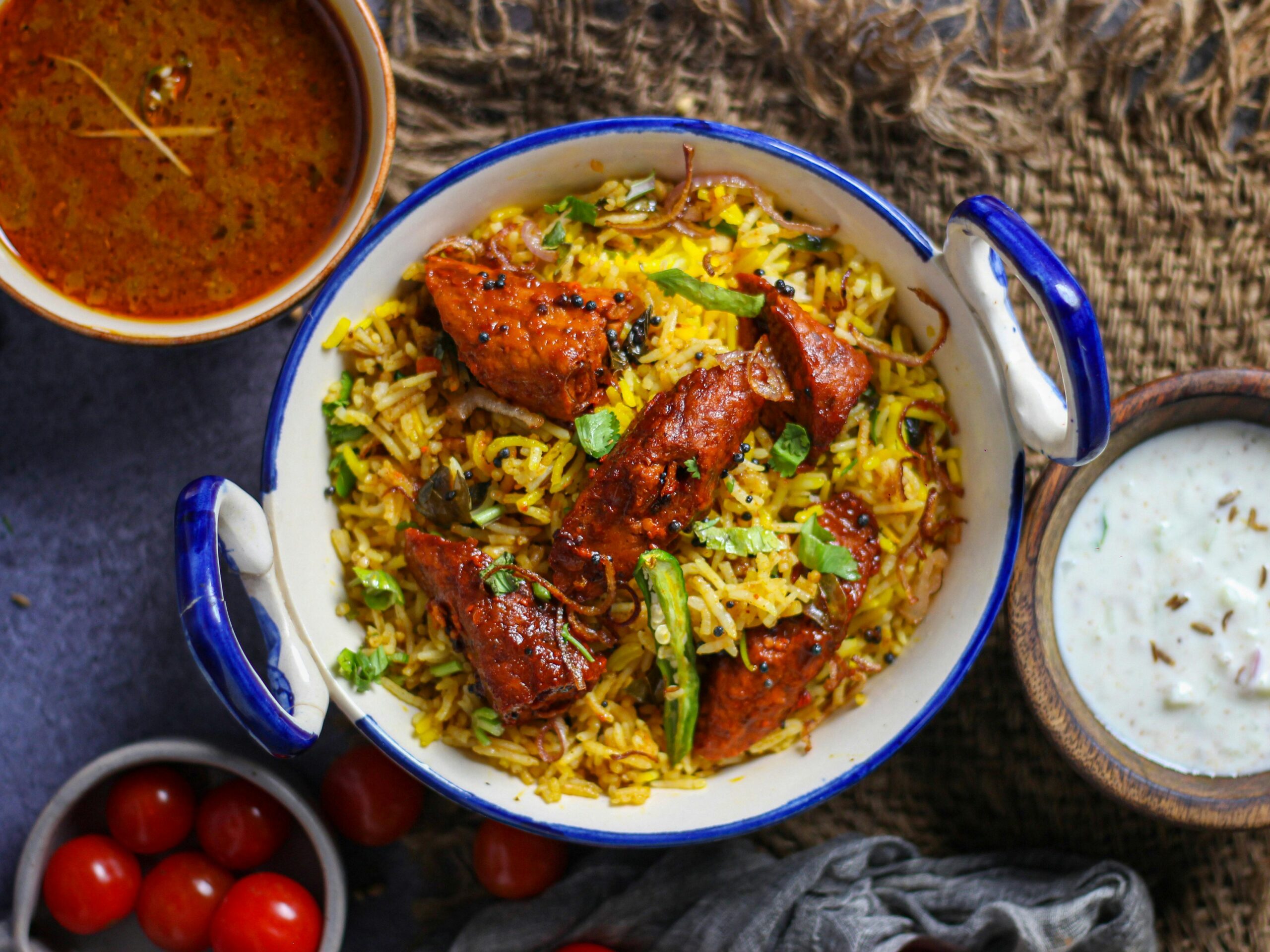


Simple South Indian Lunch Recipes for Busy Days: Quick, Healthy & Beginner-Friendly
Simple South Indian lunch recipes for busy days bring the comforting flavors of Tamil Nadu, Andhra Pradesh, Karnataka, and Kerala right to your kitchen table in under 30–40 minutes. These dishes use everyday pantry staples like rice, lentils, fresh vegetables, and a handful of spices, delivering wholesome meals without the hassle of elaborate cooking.
Ideal for working professionals, students, or homemakers juggling multiple tasks, these recipes prioritize speed, nutrition, and taste. South Indian cuisine’s emphasis on steaming, tempering, and pressure cooking naturally lends itself to quick preparations that feel like home even on the busiest days.
In this guide, you’ll explore what makes these recipes perfect for hectic schedules, get step-by-step instructions for popular dishes, learn about their benefits, avoid common mistakes, and find answers to frequently asked questions. Whether you’re packing an office lunch box or cooking for your family, these recipes are designed to fit into your daily routine.
Meaning / Explanation
Simple South Indian lunch recipes for busy days refer to everyday meals that are easy to cook, require minimal preparation, and can be completed in under 30–40 minutes. These dishes focus on balance, nutrition, and simplicity, making them ideal for regular lunch menus.
Unlike elaborate festival meals, everyday South Indian lunches are designed for practicality. A typical lunch may include rice, a quick curry or dal, a vegetable stir-fry, and curd or rasam. The beauty lies in how effortlessly these components come together with just a few basic techniques.
From curd rice and lemon rice to vegetable sambar and tomato rasam, these recipes prove that good food does not have to be complicated or time-consuming. With a little planning and a handful of pantry staples, you can enjoy a satisfying meal even on your busiest days.
Why It Matters
Busy schedules often push people toward outside food or instant meals, which may lack proper nutrition and may be high in unhealthy fats, sodium, and preservatives. Simple South Indian lunch recipes help you maintain a healthy diet even on hectic days by focusing on whole foods and home-style cooking.
These meals are naturally rich in fiber, protein, and essential nutrients. Lentils provide protein, rice offers energy, and vegetables add vitamins and minerals. Cooking at home also allows you to control oil, salt, and spice levels according to your dietary needs and preferences.
For families, quick lunches reduce stress and ensure everyone eats fresh, warm food. For individuals living alone or working long hours, these recipes reduce dependency on packaged or restaurant food and support long-term health and energy levels.
How It Works / Basic Techniques
Most South Indian lunch recipes follow a straightforward method. Once you understand a few core techniques like tempering (tadka), pressure cooking dal, and boiling rice, you can prepare multiple dishes quickly and efficiently without feeling overwhelmed.
Here are a few basic techniques that make busy-day cooking easier:
- Tempering (tadka): Heating oil or ghee and adding mustard seeds, cumin, lentils, chilies, and curry leaves to release flavor instantly.
- Pressure cooking: Cooking rice, dal, and vegetables together or separately in a pressure cooker to save time and fuel.
- One-pot cooking: Combining grains, lentils, and vegetables in a single pot (like sambar rice or khichdi) to reduce dishes and effort.
- Leftover reuse: Turning leftover rice into lemon rice, tomato rice, or curd rice in just a few minutes.
Once these methods become familiar, you can mix and match ingredients to create many combinations without following a strict recipe every time.
Example: Lemon Rice Lunch Combo
One of the best examples of a simple South Indian lunch for busy days is a lemon rice combo. It is light, flavorful, and can be prepared in minutes, especially if you already have cooked rice.
Ingredients for Lemon Rice
- 2 cups cooked rice (preferably cooled or leftover rice)
- 2 tablespoons oil
- 1 teaspoon mustard seeds
- 1 tablespoon peanuts or cashews
- 1 teaspoon chana dal (optional)
- 1–2 green chilies, slit
- 1–2 dried red chilies (optional)
- A few curry leaves
- 1/4 teaspoon turmeric powder
- Juice of 1 large lemon (or to taste)
- Salt to taste
Steps to Make Lemon Rice
- Heat oil in a pan and add mustard seeds. Let them splutter.
- Add peanuts (and chana dal if using) and fry until golden. Then add green chilies, red chilies, and curry leaves, and sauté for a few seconds.
- Add turmeric powder and mix quickly without burning the spices.
- Add the cooked rice and salt. Gently mix until the rice is evenly coated with the tempering and turmeric.
- Turn off the heat and add lemon juice. Mix well and adjust salt if needed.
- Serve with curd, pickle, or a simple cucumber salad for a complete lunch.
This lemon rice lunch combo is perfect for tiffin boxes, travel, or work-from-home days when you want something quick but flavorful. You can also add grated carrot or roasted sesame seeds for extra texture and nutrition.
More Simple South Indian Lunch Ideas
Beyond lemon rice, there are many other South Indian recipes that fit perfectly into a busy schedule. Most of them use similar ingredients and techniques, so once you learn a few, the rest become very easy.
1. Curd Rice
Curd rice is a classic comfort food that is especially popular in hot climates. It is cooling, easy to digest, and requires almost no cooking when rice is already prepared.
- Mix cooked rice with curd (yogurt), a little milk, and salt.
- Prepare a tempering with mustard seeds, curry leaves, and grated ginger.
- Pour the tempering over the rice and garnish with coriander or pomegranate seeds.
2. Tomato Rice
Tomato rice is another quick one-pot or leftover rice dish that is tangy and mildly spiced, perfect for lunch boxes and busy afternoons.
- Sauté onions, tomatoes, and basic spices in oil.
- Mix with cooked rice or cook raw rice along with the masala for a one-pot version.
- Serve with raita, papad, or plain curd.
3. Sambar Rice
Sambar rice combines rice, lentils, and vegetables in one dish, reducing both cooking time and cleanup. It is filling, nutritious, and ideal for days when you want a wholesome meal in one bowl.
- Pressure cook rice, toor dal, and mixed vegetables together.
- Add tamarind, sambar powder, and salt, then simmer.
- Finish with a ghee or oil tempering of mustard seeds, curry leaves, and red chilies.
4. Rasam Rice
Rasam rice is light, tangy, and excellent for digestion. It is especially good when you want a simple lunch that does not feel heavy.
- Prepare rasam using tomatoes, tamarind, rasam powder, and tempered spices.
- Serve hot rasam over steamed rice with a side of vegetable stir-fry or papad.
5. Quick Vegetable Stir-Fry (Poriyal) with Rice
A simple vegetable poriyal served with plain rice, ghee, and curd can be a complete and satisfying lunch.
- Stir-fry chopped vegetables like beans, carrot, cabbage, or beetroot with a basic tempering.
- Add grated coconut at the end if desired.
- Serve with hot rice, sambar, rasam, or plain curd.
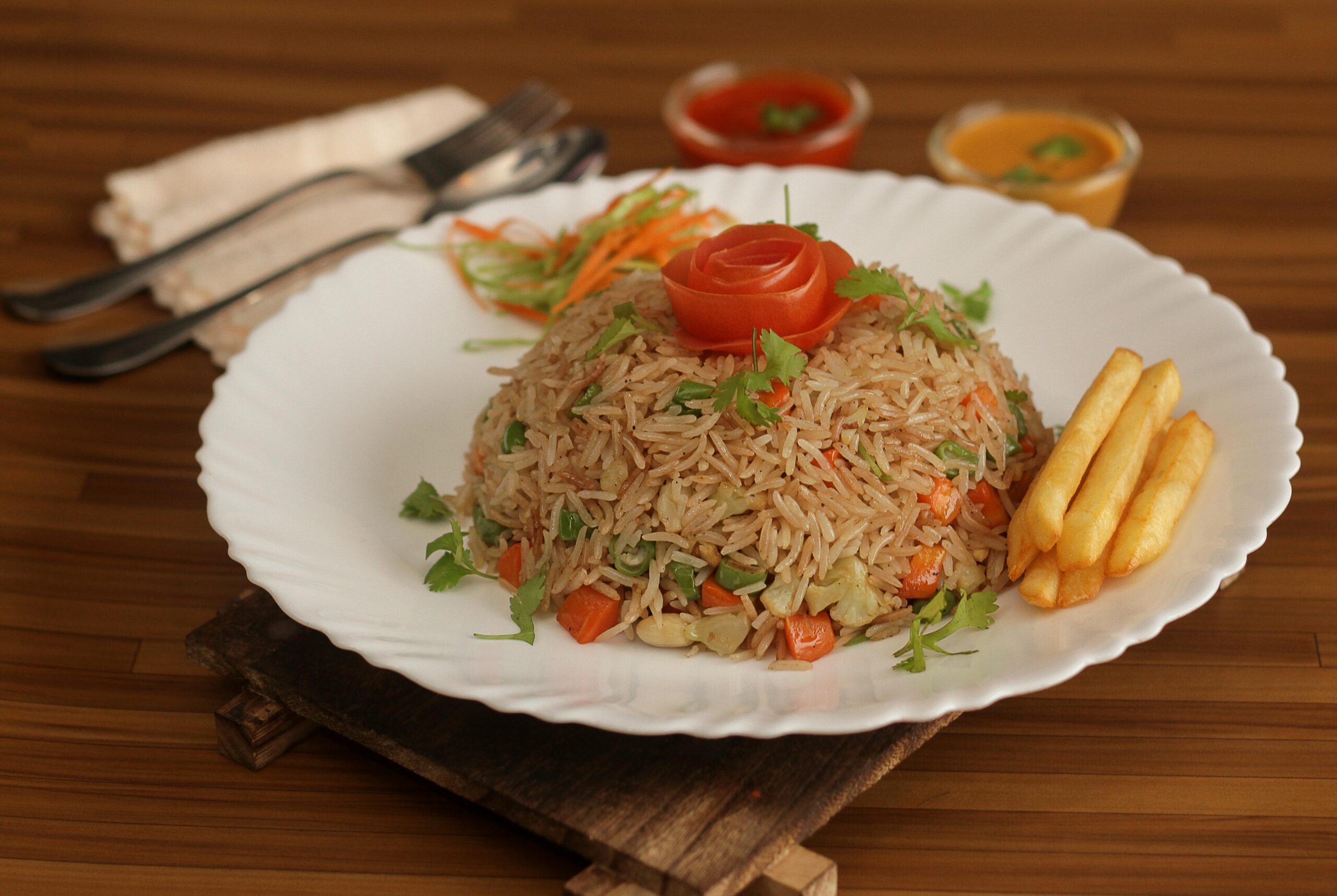
If you enjoy quick recipes beyond South Indian cuisine, you may also like: Easy Chicken Fried Rice Recipe
Benefits
- Time-saving: Most recipes take less than 30 minutes, especially when you use leftover rice or pre-cooked dal. This makes them ideal for busy workdays.
- Budget-friendly: These recipes use affordable, everyday ingredients like rice, lentils, and seasonal vegetables, helping you save money compared to ordering food from outside.
- Nutritious: South Indian lunches typically include a balance of carbohydrates, protein, and fiber, supporting sustained energy and better digestion.
- Beginner-friendly: The cooking methods are simple and repetitive, so even beginners can master them with a little practice.
- Versatile: You can easily customize recipes with different vegetables, millets instead of rice, or less spice to suit children and elders.
Additionally, these recipes are ideal for meal prep. You can cook rice and dal in advance, chop vegetables ahead of time, and assemble fresh lunches quickly throughout the week.
Risks / Limitations
While simple South Indian lunch recipes are generally healthy, there are a few limitations and points to keep in mind.
- Over-reliance on white rice may not suit low-carb or diabetic diets without portion control or substitutions.
- Improper portion control can increase calorie intake, especially if you add extra ghee, oil, or fried accompaniments.
- Skipping vegetables or salads reduces the overall nutritional value of the meal.
- Using excess oil in tempering regularly can affect heart health over time.
These limitations can be easily managed by balancing rice with vegetables, including millets or brown rice sometimes, moderating oil usage, and being mindful of portion sizes.
Common Mistakes / Myths
Myth 1: South Indian lunch is always heavy
Reality: Dishes like rasam rice, curd rice, and vegetable poriyal are light, easy to digest, and suitable even for people with sensitive
digestion.
Myth 2: It takes too long to cook
Reality: With pressure cookers, pre-soaked dal, and basic planning, most South Indian dishes can be cooked quickly on busy weekdays.
Mistake 1: Not soaking dal or washing rice properly, which can affect cooking time and texture.
Mistake 2: Overcooking vegetables until they lose color, crunch, and nutrients instead of lightly stir-frying or steaming
them.
Understanding these small techniques and avoiding common mistakes makes a big difference in both taste and nutrition.
South Indian meals are known for their balance and simplicity, and according to South Indian cuisine , these dishes traditionally rely on rice, lentils, and vegetables for daily nutrition.FAQ Section
What are the quickest South Indian lunch recipes?
Curd rice, lemon rice, tomato rice, and rasam rice are among the quickest South Indian lunch options, especially when you use leftover rice.
Can beginners cook South Indian lunch easily?
Yes, most recipes use simple steps and basic ingredients, making them beginner-friendly. Once you learn tempering and pressure cooking, you can prepare many dishes.
Are these recipes healthy for daily consumption?
Yes, when prepared with balanced portions, vegetables, and moderate oil, these recipes are healthy and suitable for daily meals for most people.
Can I prepare South Indian lunch in advance?
Yes, you can cook rice and dal in advance and store them in the refrigerator. This helps you assemble quick lunches in just a few minutes on busy days.
What vegetables work best for quick lunches?
Carrot, beans, cabbage, bottle gourd, spinach, and beetroot cook quickly and taste great in stir-fries, sambars, and mixed rice dishes.
Are there non-vegetarian quick lunch options?
Yes, you can prepare simple egg curry, egg burji with rice, or quick chicken stir-fries and pair them with rasam or curd rice occasionally.
Is South Indian food suitable for office lunch boxes?
Absolutely. Lemon rice, tamarind rice, curd rice, and tomato rice travel well and stay fresh for several hours, making them ideal for office and school lunch boxes.
Can I replace rice with millets?
Yes, millets like foxtail millet, little millet, or barnyard millet are excellent alternatives to rice and can be used in khichdi, pongal, or mixed rice recipes.
Conclusion
Simple South Indian lunch recipes for busy days prove that healthy, delicious food does not require hours in the kitchen. With basic ingredients, smart planning, and a few staple recipes, you can enjoy comforting home-cooked meals every day without feeling rushed.
Whether you are a beginner or someone juggling work, family, and other responsibilities, these recipes offer convenience without compromising nutrition. By mastering a few essential dishes and techniques, your daily lunches can become stress-free, affordable, and truly satisfying.
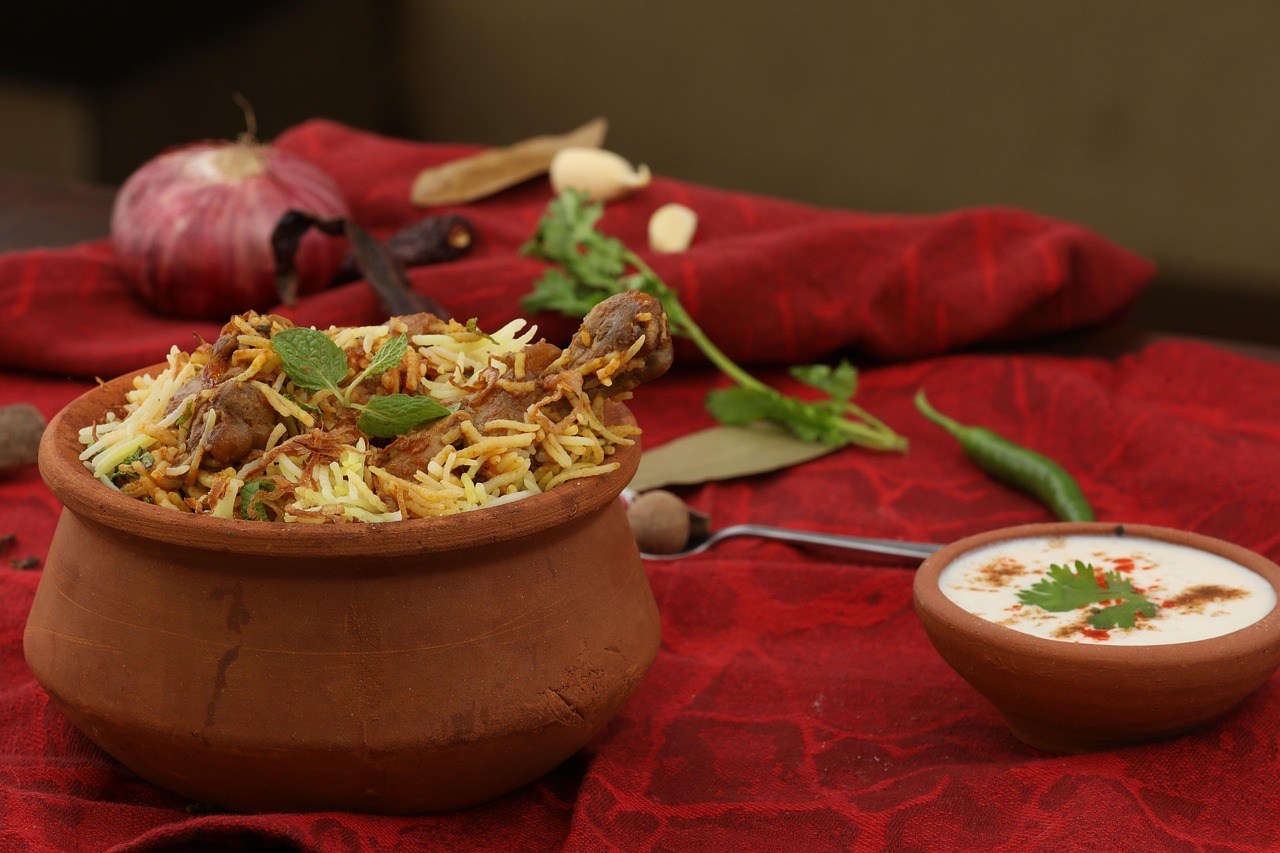
For more easy meal ideas, explore: Easy Breakfast Recipes, Homemade Pizza, and Hyderabadi Chicken Biryani.
Disclaimer: This article is for educational purposes only and does not constitute financial advice. Always consult a qualified financial advisor before investing.